

Key Insights
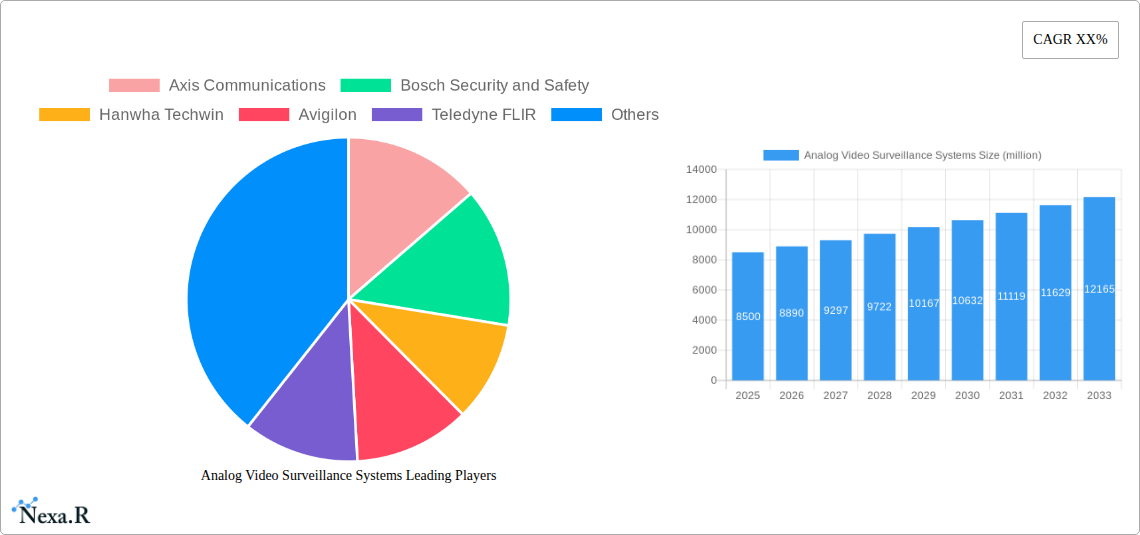
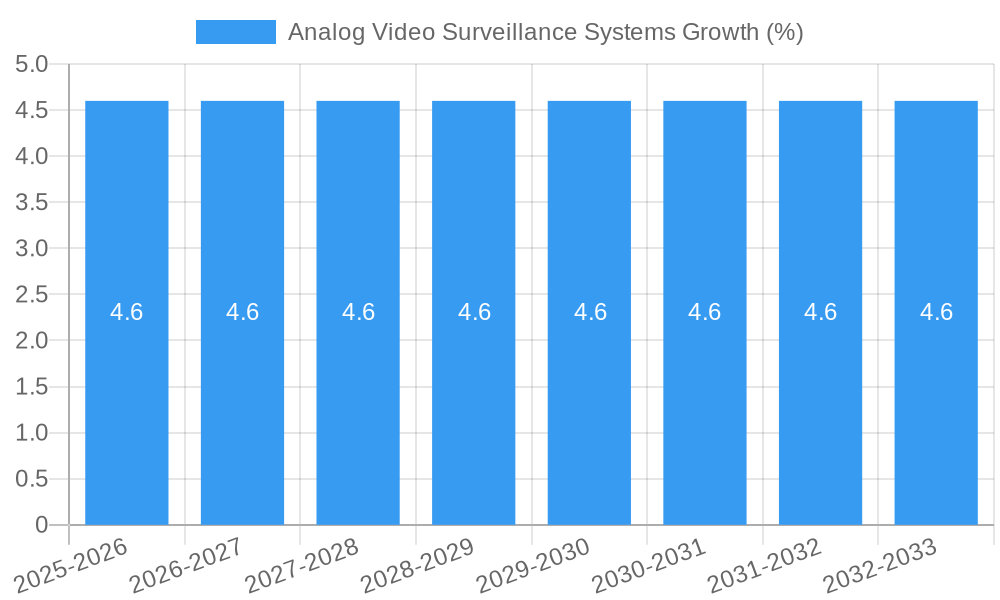
The global Analog Video Surveillance Systems market is projected to reach approximately $8,500 million by 2025, exhibiting a Compound Annual Growth Rate (CAGR) of around 4.5% over the forecast period of 2025-2033. This sustained growth, despite the rise of digital technologies, is driven by several key factors. The robust demand from the commercial and infrastructure sectors, where cost-effectiveness and reliability are paramount, forms a significant pillar of market expansion. Upgrades and replacements within existing analog systems, especially in regions with established security infrastructure, also contribute to this steady trajectory. Furthermore, the military & defense sector continues to invest in analog solutions for their perceived resilience and simplicity in certain critical applications, underpinning market stability.
While the market benefits from established installations and specific application needs, it also faces inherent challenges. The primary restraint is the increasing adoption of IP-based surveillance systems, offering superior resolution, advanced analytics, and easier integration. However, the inherent cost-effectiveness of analog systems, particularly for large-scale deployments where initial investment is a critical consideration, continues to ensure their relevance. The market is segmented into Hardware and Software, with Hardware currently dominating due to the foundational nature of cameras and recording devices. Applications span Commercial, Infrastructure, Military & Defense, Residential, Public Facility, and Industrial segments, with Commercial and Infrastructure likely representing the largest shares due to widespread deployment. Key players like Hikvision, Dahua Technology, and Bosch Security and Safety are actively navigating this evolving landscape by offering hybrid solutions and focusing on incremental upgrades to their analog offerings.
This in-depth report provides a detailed analysis of the global Analog Video Surveillance Systems market, covering historical trends, current dynamics, and future projections. It delves into market structure, growth trajectories, regional dominance, product landscape, key drivers, challenges, opportunities, and leading industry players. Designed for industry professionals, security consultants, system integrators, and investors, this report offers actionable insights for strategic decision-making in the evolving video surveillance sector.
Analog Video Surveillance Systems Market Dynamics & Structure
The Analog Video Surveillance Systems market exhibits a moderately concentrated structure, with established players like Hikvision and Dahua Technology holding significant market shares due to their extensive product portfolios and global distribution networks. Technological innovation, while slower than in its digital counterpart, is driven by advancements in sensor technology, image processing, and integration with emerging analytics. Regulatory frameworks, particularly concerning data privacy and public safety, are increasingly influencing system design and deployment, especially in sensitive applications like infrastructure and military & defense. Competitive product substitutes, primarily IP-based surveillance systems, present a significant challenge, yet analog systems retain a niche due to their lower cost of entry and simpler installation in certain legacy environments. End-user demographics are diverse, ranging from budget-conscious residential users to large-scale industrial and public facility deployments. Mergers & Acquisitions (M&A) trends, while less pronounced than in the IP segment, are observed as companies seek to consolidate market position or acquire niche technologies. For instance, acquisitions focused on improving analog camera resolution or integrating basic analytics into analog DVRs are notable.
- Market Concentration: Moderate, dominated by a few key manufacturers in terms of volume.
- Technological Innovation Drivers: Improved sensor quality, enhanced image processing for better low-light performance, and limited AI integration.
- Regulatory Frameworks: Data privacy regulations (e.g., GDPR), public safety mandates, and industry-specific compliance standards.
- Competitive Product Substitutes: High-definition IP cameras, network video recorders (NVRs), and cloud-based surveillance solutions.
- End-User Demographics: Varied, including SMBs, large enterprises, government agencies, and individual homeowners.
- M&A Trends: Focused on technology integration and market consolidation, with an estimated xx deals in the historical period.
Analog Video Surveillance Systems Growth Trends & Insights
The Analog Video Surveillance Systems market, while facing intense competition from IP technology, is projected to exhibit a steady, albeit modest, growth trajectory over the forecast period, driven by specific market segments and evolving adoption patterns. The historical period from 2019 to 2024 witnessed a gradual decline in overall market volume as newer IP solutions gained traction. However, the base year of 2025 sees an estimated market size of approximately $5.8 billion, reflecting the continued demand in cost-sensitive applications and legacy infrastructure. The CAGR for the forecast period of 2025–2033 is anticipated to be around 3.5%, signifying a stabilization and niche growth rather than rapid expansion. This growth is underpinned by the persistent need for reliable and cost-effective surveillance solutions, particularly in developing regions and for specific applications like residential security and small commercial establishments where initial investment is a primary concern.
Technological disruptions are primarily focused on enhancing the capabilities of analog systems to bridge the gap with IP. This includes improvements in camera resolution (approaching HD standards), the integration of advanced digital signal processing (DSP) for better image quality in challenging lighting conditions, and the development of hybrid DVRs that can accommodate both analog and IP cameras. Consumer behavior shifts are also playing a role; while awareness of advanced IP features is growing, the perceived complexity and higher cost of IP installations for some users maintain a demand for the simplicity and affordability of analog systems. Furthermore, the sheer volume of existing analog infrastructure globally means that upgrades and replacements will continue to fuel market activity. The market penetration of analog systems, though declining in new installations, remains significant due to their installed base. Estimated adoption rates for analog systems in the residential sector are around xx% in key markets, while in the industrial sector, it's approximately xx%. The market size evolution is characterized by a shift towards higher-resolution analog cameras and DVRs with enhanced recording and remote access capabilities, attempting to offer a compelling value proposition against the backdrop of digital advancements.
Dominant Regions, Countries, or Segments in Analog Video Surveillance Systems
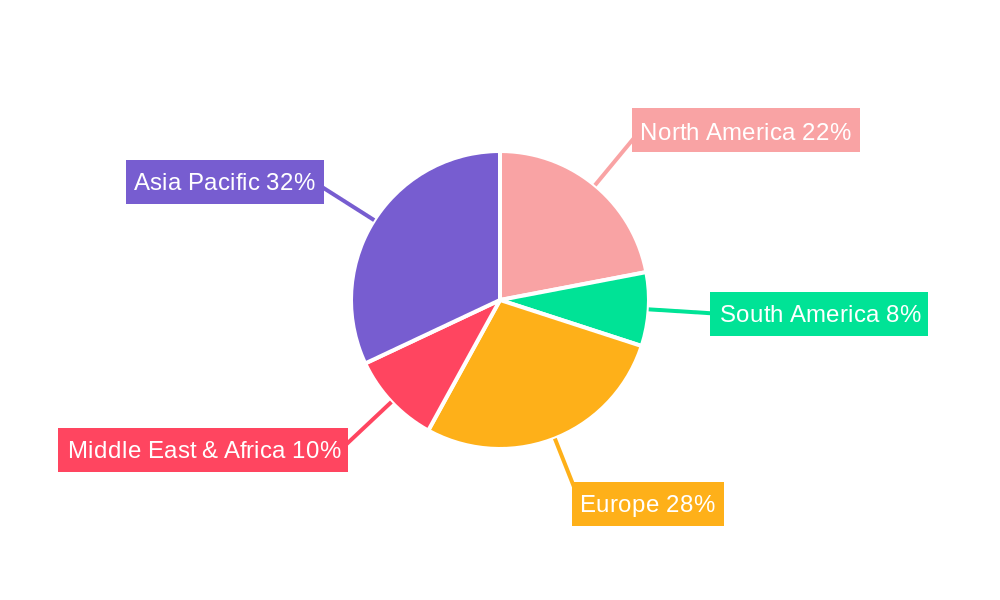
The Asia Pacific region is anticipated to remain a dominant force in the Analog Video Surveillance Systems market throughout the forecast period (2025–2033). This dominance is fueled by a confluence of factors, including a large and growing population, increasing urbanization, and a significant concentration of manufacturing hubs. The region's economic policies often favor cost-effective solutions, making analog surveillance systems a preferred choice for numerous small and medium-sized businesses (SMBs) and residential installations. Countries like China and India are particularly instrumental in this regard. China, being a major manufacturing base for surveillance equipment, not only drives demand but also influences supply and pricing dynamics globally. India, with its rapidly expanding infrastructure and security needs across commercial, public facility, and residential sectors, presents a substantial market for affordable analog solutions.
Within the Application segment, the Commercial and Industrial sectors are expected to drive significant growth for analog video surveillance. The commercial segment encompasses retail outlets, small offices, and hospitality businesses that prioritize budget-friendly security measures. The industrial segment, including manufacturing plants, warehouses, and logistics centers, often requires robust and reliable surveillance systems for monitoring operations, asset protection, and worker safety, where the cost-effectiveness of analog systems remains a key consideration. While Infrastructure and Military & Defense segments are increasingly migrating towards IP-based systems due to advanced features and integration capabilities, there remains a residual demand for analog solutions in specific legacy deployments and for auxiliary monitoring purposes. The Residential segment also contributes substantially, especially in emerging economies, where analog systems offer an accessible entry point into home security.
From the Types perspective, Hardware continues to be the primary revenue generator for the analog video surveillance market. This includes analog cameras (CCTV cameras, dome cameras, bullet cameras), digital video recorders (DVRs), and associated accessories. The sheer volume of analog cameras being manufactured and deployed globally ensures the sustained importance of this segment. The Software segment for analog systems primarily revolves around DVR management software, remote viewing applications, and basic video analytics capabilities integrated into DVRs. While the sophistication of analog software is limited compared to IP-based VMS (Video Management Software), it is sufficient for the operational needs of most analog surveillance users. The market share for hardware is estimated to be around xx% in 2025, with software comprising the remaining xx%.
- Dominant Region: Asia Pacific, driven by China and India.
- Key Application Drivers: Commercial and Industrial sectors.
- Primary Type: Hardware (cameras and DVRs).
- Market Share (Hardware, 2025): ~xx%
- Market Share (Software, 2025): ~xx%
Analog Video Surveillance Systems Product Landscape
The product landscape for Analog Video Surveillance Systems is characterized by continuous refinement of existing technologies rather than radical innovation. Manufacturers are focusing on enhancing image quality through advanced sensors and improved digital signal processing, enabling analog cameras to achieve resolutions that approach standard HD benchmarks. This includes better low-light performance, wider dynamic range (WDR) capabilities, and improved color reproduction. Digital Video Recorders (DVRs) are also evolving, offering higher channel capacities, advanced compression codecs (like H.265) for better storage efficiency, and enhanced remote access features via mobile apps and cloud connectivity, albeit with more limited functionality than NVRs. Some DVRs are also incorporating hybrid capabilities, allowing for the integration of a limited number of IP cameras, offering a transitional path for users. Unique selling propositions often lie in the cost-effectiveness, ease of installation, and compatibility with existing coaxial cabling infrastructure.
Key Drivers, Barriers & Challenges in Analog Video Surveillance Systems
Key Drivers:
- Cost-Effectiveness: Analog systems offer a significantly lower initial investment compared to IP systems, making them attractive for budget-conscious consumers and businesses.
- Legacy Infrastructure: The vast installed base of coaxial cabling worldwide necessitates continued demand for analog cameras and DVRs for replacements and expansions.
- Simplicity of Installation and Operation: Analog systems are generally simpler to set up and manage, requiring less technical expertise.
- Durability and Reliability: Analog cameras have a reputation for robustness in harsh environments.
- Demand in Developing Economies: Growing security needs coupled with economic constraints in emerging markets fuel analog system adoption.
Barriers & Challenges:
- Limited Scalability and Flexibility: Analog systems are less scalable and flexible than IP solutions, making large-scale or complex deployments challenging.
- Lower Resolution and Image Quality: While improving, analog resolution generally lags behind IP cameras, especially in detail and clarity.
- Lack of Advanced Features: Features like sophisticated video analytics, intelligent detection, and seamless integration with other IT systems are limited or absent in analog solutions.
- Competition from IP Surveillance: The rapid advancement, higher performance, and growing affordability of IP systems pose a significant competitive threat.
- Bandwidth Limitations: Analog systems do not utilize network bandwidth in the same way as IP, which can be seen as a limitation for integrated security architectures.
- Supply Chain Disruptions: Like many electronic components, the analog surveillance sector can be affected by global supply chain issues, impacting component availability and pricing.
Emerging Opportunities in Analog Video Surveillance Systems
Emerging opportunities in the Analog Video Surveillance Systems market are largely centered around hybrid solutions and niche applications where cost remains the paramount factor. The development of analog cameras with higher resolutions (e.g., 4K analog) and enhanced low-light capabilities presents an opportunity to compete more effectively with entry-level IP systems. Furthermore, the integration of basic AI-powered analytics directly into analog DVRs, such as motion detection with person/vehicle differentiation or line-crossing alerts, can add value and address some of the feature gaps. The market for refurbished or upgraded analog systems for SMBs and residential users in regions with lower disposable incomes represents an untapped segment. Partnerships with system integrators specializing in legacy system upgrades or in regions with prevalent analog infrastructure can also unlock new growth avenues.
Growth Accelerators in the Analog Video Surveillance Systems Industry
The long-term growth of the Analog Video Surveillance Systems industry will be propelled by incremental technological advancements that bridge the performance gap with IP systems, coupled with strategic market penetration in cost-sensitive regions. Innovations in analog HD technologies, such as AHD, HD-CVI, and HD-TVI, which offer higher resolutions over existing coaxial cables, are crucial growth accelerators. The development of more integrated hybrid DVRs that seamlessly support both analog and IP cameras will cater to users looking for a gradual transition and a blended solution. Strategic partnerships between analog hardware manufacturers and software developers specializing in basic analytics or cloud connectivity will also enhance the appeal of analog systems. Furthermore, focusing on specific industry verticals like agriculture, remote monitoring in infrastructure, or basic security for small retail businesses where the total cost of ownership is a critical decision-making factor will act as significant growth accelerators.
Key Players Shaping the Analog Video Surveillance Systems Market
- Axis Communications
- Bosch Security and Safety
- Hanwha Techwin
- Avigilon
- Teledyne FLIR
- Honeywell
- Hikvision
- Dahua Technology
Notable Milestones in Analog Video Surveillance Systems Sector
- 2019: Introduction of higher-resolution analog cameras (e.g., 5MP AHD) pushing the boundaries of analog imaging.
- 2020: Increased adoption of H.265 compression in DVRs, significantly improving storage efficiency.
- 2021: Development of hybrid DVRs capable of supporting a limited number of IP cameras alongside analog inputs.
- 2022: Advancements in analog signal transmission technologies, enabling longer cable runs with minimal signal degradation.
- 2023: Enhanced integration of basic AI analytics (e.g., person detection) into select analog DVR models.
- 2024: Focus on improved low-light performance and WDR in new analog camera models, enhancing usability in challenging conditions.
In-Depth Analog Video Surveillance Systems Market Outlook
The market outlook for Analog Video Surveillance Systems, while competitive, remains cautiously optimistic for the forecast period. Growth accelerators will predominantly stem from continuous enhancements in analog imaging technology, such as higher resolutions and superior low-light performance, alongside the development of more sophisticated hybrid DVRs. Strategic focus on cost-sensitive emerging markets and specific application segments like residential, small commercial, and certain industrial environments where budget constraints are paramount will be key. The continued reliance on existing coaxial infrastructure globally ensures a sustained demand for replacement and upgrade cycles. Companies that can offer a compelling blend of affordability, reliability, and increasingly integrated functionalities, even if basic, are well-positioned to capitalize on the enduring niche appeal of analog surveillance solutions.
Analog Video Surveillance Systems Segmentation
-
1. Application
- 1.1. Commercial
- 1.2. Infrastructure
- 1.3. Military & Defense
- 1.4. Residential
- 1.5. Public Facility
- 1.6. Industrial
-
2. Types
- 2.1. Hardware
- 2.2. Software
Analog Video Surveillance Systems Segmentation By Geography
-
1. North America
- 1.1. United States
- 1.2. Canada
- 1.3. Mexico
-
2. South America
- 2.1. Brazil
- 2.2. Argentina
- 2.3. Rest of South America
-
3. Europe
- 3.1. United Kingdom
- 3.2. Germany
- 3.3. France
- 3.4. Italy
- 3.5. Spain
- 3.6. Russia
- 3.7. Benelux
- 3.8. Nordics
- 3.9. Rest of Europe
-
4. Middle East & Africa
- 4.1. Turkey
- 4.2. Israel
- 4.3. GCC
- 4.4. North Africa
- 4.5. South Africa
- 4.6. Rest of Middle East & Africa
-
5. Asia Pacific
- 5.1. China
- 5.2. India
- 5.3. Japan
- 5.4. South Korea
- 5.5. ASEAN
- 5.6. Oceania
- 5.7. Rest of Asia Pacific
Analog Video Surveillance Systems REPORT HIGHLIGHTS
| Aspects | Details |
|---|---|
| Study Period | 2019-2033 |
| Base Year | 2024 |
| Estimated Year | 2025 |
| Forecast Period | 2025-2033 |
| Historical Period | 2019-2024 |
| Growth Rate | CAGR of XX% from 2019-2033 |
| Segmentation |
|
Table of Contents
- 1. Introduction
- 1.1. Research Scope
- 1.2. Market Segmentation
- 1.3. Research Methodology
- 1.4. Definitions and Assumptions
- 2. Executive Summary
- 2.1. Introduction
- 3. Market Dynamics
- 3.1. Introduction
- 3.2. Market Drivers
- 3.3. Market Restrains
- 3.4. Market Trends
- 4. Market Factor Analysis
- 4.1. Porters Five Forces
- 4.2. Supply/Value Chain
- 4.3. PESTEL analysis
- 4.4. Market Entropy
- 4.5. Patent/Trademark Analysis
- 5. Global Analog Video Surveillance Systems Analysis, Insights and Forecast, 2019-2031
- 5.1. Market Analysis, Insights and Forecast - by Application
- 5.1.1. Commercial
- 5.1.2. Infrastructure
- 5.1.3. Military & Defense
- 5.1.4. Residential
- 5.1.5. Public Facility
- 5.1.6. Industrial
- 5.2. Market Analysis, Insights and Forecast - by Types
- 5.2.1. Hardware
- 5.2.2. Software
- 5.3. Market Analysis, Insights and Forecast - by Region
- 5.3.1. North America
- 5.3.2. South America
- 5.3.3. Europe
- 5.3.4. Middle East & Africa
- 5.3.5. Asia Pacific
- 5.1. Market Analysis, Insights and Forecast - by Application
- 6. North America Analog Video Surveillance Systems Analysis, Insights and Forecast, 2019-2031
- 6.1. Market Analysis, Insights and Forecast - by Application
- 6.1.1. Commercial
- 6.1.2. Infrastructure
- 6.1.3. Military & Defense
- 6.1.4. Residential
- 6.1.5. Public Facility
- 6.1.6. Industrial
- 6.2. Market Analysis, Insights and Forecast - by Types
- 6.2.1. Hardware
- 6.2.2. Software
- 6.1. Market Analysis, Insights and Forecast - by Application
- 7. South America Analog Video Surveillance Systems Analysis, Insights and Forecast, 2019-2031
- 7.1. Market Analysis, Insights and Forecast - by Application
- 7.1.1. Commercial
- 7.1.2. Infrastructure
- 7.1.3. Military & Defense
- 7.1.4. Residential
- 7.1.5. Public Facility
- 7.1.6. Industrial
- 7.2. Market Analysis, Insights and Forecast - by Types
- 7.2.1. Hardware
- 7.2.2. Software
- 7.1. Market Analysis, Insights and Forecast - by Application
- 8. Europe Analog Video Surveillance Systems Analysis, Insights and Forecast, 2019-2031
- 8.1. Market Analysis, Insights and Forecast - by Application
- 8.1.1. Commercial
- 8.1.2. Infrastructure
- 8.1.3. Military & Defense
- 8.1.4. Residential
- 8.1.5. Public Facility
- 8.1.6. Industrial
- 8.2. Market Analysis, Insights and Forecast - by Types
- 8.2.1. Hardware
- 8.2.2. Software
- 8.1. Market Analysis, Insights and Forecast - by Application
- 9. Middle East & Africa Analog Video Surveillance Systems Analysis, Insights and Forecast, 2019-2031
- 9.1. Market Analysis, Insights and Forecast - by Application
- 9.1.1. Commercial
- 9.1.2. Infrastructure
- 9.1.3. Military & Defense
- 9.1.4. Residential
- 9.1.5. Public Facility
- 9.1.6. Industrial
- 9.2. Market Analysis, Insights and Forecast - by Types
- 9.2.1. Hardware
- 9.2.2. Software
- 9.1. Market Analysis, Insights and Forecast - by Application
- 10. Asia Pacific Analog Video Surveillance Systems Analysis, Insights and Forecast, 2019-2031
- 10.1. Market Analysis, Insights and Forecast - by Application
- 10.1.1. Commercial
- 10.1.2. Infrastructure
- 10.1.3. Military & Defense
- 10.1.4. Residential
- 10.1.5. Public Facility
- 10.1.6. Industrial
- 10.2. Market Analysis, Insights and Forecast - by Types
- 10.2.1. Hardware
- 10.2.2. Software
- 10.1. Market Analysis, Insights and Forecast - by Application
- 11. Competitive Analysis
- 11.1. Global Market Share Analysis 2024
- 11.2. Company Profiles
- 11.2.1 Axis Communications
- 11.2.1.1. Overview
- 11.2.1.2. Products
- 11.2.1.3. SWOT Analysis
- 11.2.1.4. Recent Developments
- 11.2.1.5. Financials (Based on Availability)
- 11.2.2 Bosch Security and Safety
- 11.2.2.1. Overview
- 11.2.2.2. Products
- 11.2.2.3. SWOT Analysis
- 11.2.2.4. Recent Developments
- 11.2.2.5. Financials (Based on Availability)
- 11.2.3 Hanwha Techwin
- 11.2.3.1. Overview
- 11.2.3.2. Products
- 11.2.3.3. SWOT Analysis
- 11.2.3.4. Recent Developments
- 11.2.3.5. Financials (Based on Availability)
- 11.2.4 Avigilon
- 11.2.4.1. Overview
- 11.2.4.2. Products
- 11.2.4.3. SWOT Analysis
- 11.2.4.4. Recent Developments
- 11.2.4.5. Financials (Based on Availability)
- 11.2.5 Teledyne FLIR
- 11.2.5.1. Overview
- 11.2.5.2. Products
- 11.2.5.3. SWOT Analysis
- 11.2.5.4. Recent Developments
- 11.2.5.5. Financials (Based on Availability)
- 11.2.6 Honeywell
- 11.2.6.1. Overview
- 11.2.6.2. Products
- 11.2.6.3. SWOT Analysis
- 11.2.6.4. Recent Developments
- 11.2.6.5. Financials (Based on Availability)
- 11.2.7 Hikvision
- 11.2.7.1. Overview
- 11.2.7.2. Products
- 11.2.7.3. SWOT Analysis
- 11.2.7.4. Recent Developments
- 11.2.7.5. Financials (Based on Availability)
- 11.2.8 Dahua Technology
- 11.2.8.1. Overview
- 11.2.8.2. Products
- 11.2.8.3. SWOT Analysis
- 11.2.8.4. Recent Developments
- 11.2.8.5. Financials (Based on Availability)
- 11.2.1 Axis Communications
List of Figures
- Figure 1: Global Analog Video Surveillance Systems Revenue Breakdown (million, %) by Region 2024 & 2032
- Figure 2: North America Analog Video Surveillance Systems Revenue (million), by Application 2024 & 2032
- Figure 3: North America Analog Video Surveillance Systems Revenue Share (%), by Application 2024 & 2032
- Figure 4: North America Analog Video Surveillance Systems Revenue (million), by Types 2024 & 2032
- Figure 5: North America Analog Video Surveillance Systems Revenue Share (%), by Types 2024 & 2032
- Figure 6: North America Analog Video Surveillance Systems Revenue (million), by Country 2024 & 2032
- Figure 7: North America Analog Video Surveillance Systems Revenue Share (%), by Country 2024 & 2032
- Figure 8: South America Analog Video Surveillance Systems Revenue (million), by Application 2024 & 2032
- Figure 9: South America Analog Video Surveillance Systems Revenue Share (%), by Application 2024 & 2032
- Figure 10: South America Analog Video Surveillance Systems Revenue (million), by Types 2024 & 2032
- Figure 11: South America Analog Video Surveillance Systems Revenue Share (%), by Types 2024 & 2032
- Figure 12: South America Analog Video Surveillance Systems Revenue (million), by Country 2024 & 2032
- Figure 13: South America Analog Video Surveillance Systems Revenue Share (%), by Country 2024 & 2032
- Figure 14: Europe Analog Video Surveillance Systems Revenue (million), by Application 2024 & 2032
- Figure 15: Europe Analog Video Surveillance Systems Revenue Share (%), by Application 2024 & 2032
- Figure 16: Europe Analog Video Surveillance Systems Revenue (million), by Types 2024 & 2032
- Figure 17: Europe Analog Video Surveillance Systems Revenue Share (%), by Types 2024 & 2032
- Figure 18: Europe Analog Video Surveillance Systems Revenue (million), by Country 2024 & 2032
- Figure 19: Europe Analog Video Surveillance Systems Revenue Share (%), by Country 2024 & 2032
- Figure 20: Middle East & Africa Analog Video Surveillance Systems Revenue (million), by Application 2024 & 2032
- Figure 21: Middle East & Africa Analog Video Surveillance Systems Revenue Share (%), by Application 2024 & 2032
- Figure 22: Middle East & Africa Analog Video Surveillance Systems Revenue (million), by Types 2024 & 2032
- Figure 23: Middle East & Africa Analog Video Surveillance Systems Revenue Share (%), by Types 2024 & 2032
- Figure 24: Middle East & Africa Analog Video Surveillance Systems Revenue (million), by Country 2024 & 2032
- Figure 25: Middle East & Africa Analog Video Surveillance Systems Revenue Share (%), by Country 2024 & 2032
- Figure 26: Asia Pacific Analog Video Surveillance Systems Revenue (million), by Application 2024 & 2032
- Figure 27: Asia Pacific Analog Video Surveillance Systems Revenue Share (%), by Application 2024 & 2032
- Figure 28: Asia Pacific Analog Video Surveillance Systems Revenue (million), by Types 2024 & 2032
- Figure 29: Asia Pacific Analog Video Surveillance Systems Revenue Share (%), by Types 2024 & 2032
- Figure 30: Asia Pacific Analog Video Surveillance Systems Revenue (million), by Country 2024 & 2032
- Figure 31: Asia Pacific Analog Video Surveillance Systems Revenue Share (%), by Country 2024 & 2032
List of Tables
- Table 1: Global Analog Video Surveillance Systems Revenue million Forecast, by Region 2019 & 2032
- Table 2: Global Analog Video Surveillance Systems Revenue million Forecast, by Application 2019 & 2032
- Table 3: Global Analog Video Surveillance Systems Revenue million Forecast, by Types 2019 & 2032
- Table 4: Global Analog Video Surveillance Systems Revenue million Forecast, by Region 2019 & 2032
- Table 5: Global Analog Video Surveillance Systems Revenue million Forecast, by Application 2019 & 2032
- Table 6: Global Analog Video Surveillance Systems Revenue million Forecast, by Types 2019 & 2032
- Table 7: Global Analog Video Surveillance Systems Revenue million Forecast, by Country 2019 & 2032
- Table 8: United States Analog Video Surveillance Systems Revenue (million) Forecast, by Application 2019 & 2032
- Table 9: Canada Analog Video Surveillance Systems Revenue (million) Forecast, by Application 2019 & 2032
- Table 10: Mexico Analog Video Surveillance Systems Revenue (million) Forecast, by Application 2019 & 2032
- Table 11: Global Analog Video Surveillance Systems Revenue million Forecast, by Application 2019 & 2032
- Table 12: Global Analog Video Surveillance Systems Revenue million Forecast, by Types 2019 & 2032
- Table 13: Global Analog Video Surveillance Systems Revenue million Forecast, by Country 2019 & 2032
- Table 14: Brazil Analog Video Surveillance Systems Revenue (million) Forecast, by Application 2019 & 2032
- Table 15: Argentina Analog Video Surveillance Systems Revenue (million) Forecast, by Application 2019 & 2032
- Table 16: Rest of South America Analog Video Surveillance Systems Revenue (million) Forecast, by Application 2019 & 2032
- Table 17: Global Analog Video Surveillance Systems Revenue million Forecast, by Application 2019 & 2032
- Table 18: Global Analog Video Surveillance Systems Revenue million Forecast, by Types 2019 & 2032
- Table 19: Global Analog Video Surveillance Systems Revenue million Forecast, by Country 2019 & 2032
- Table 20: United Kingdom Analog Video Surveillance Systems Revenue (million) Forecast, by Application 2019 & 2032
- Table 21: Germany Analog Video Surveillance Systems Revenue (million) Forecast, by Application 2019 & 2032
- Table 22: France Analog Video Surveillance Systems Revenue (million) Forecast, by Application 2019 & 2032
- Table 23: Italy Analog Video Surveillance Systems Revenue (million) Forecast, by Application 2019 & 2032
- Table 24: Spain Analog Video Surveillance Systems Revenue (million) Forecast, by Application 2019 & 2032
- Table 25: Russia Analog Video Surveillance Systems Revenue (million) Forecast, by Application 2019 & 2032
- Table 26: Benelux Analog Video Surveillance Systems Revenue (million) Forecast, by Application 2019 & 2032
- Table 27: Nordics Analog Video Surveillance Systems Revenue (million) Forecast, by Application 2019 & 2032
- Table 28: Rest of Europe Analog Video Surveillance Systems Revenue (million) Forecast, by Application 2019 & 2032
- Table 29: Global Analog Video Surveillance Systems Revenue million Forecast, by Application 2019 & 2032
- Table 30: Global Analog Video Surveillance Systems Revenue million Forecast, by Types 2019 & 2032
- Table 31: Global Analog Video Surveillance Systems Revenue million Forecast, by Country 2019 & 2032
- Table 32: Turkey Analog Video Surveillance Systems Revenue (million) Forecast, by Application 2019 & 2032
- Table 33: Israel Analog Video Surveillance Systems Revenue (million) Forecast, by Application 2019 & 2032
- Table 34: GCC Analog Video Surveillance Systems Revenue (million) Forecast, by Application 2019 & 2032
- Table 35: North Africa Analog Video Surveillance Systems Revenue (million) Forecast, by Application 2019 & 2032
- Table 36: South Africa Analog Video Surveillance Systems Revenue (million) Forecast, by Application 2019 & 2032
- Table 37: Rest of Middle East & Africa Analog Video Surveillance Systems Revenue (million) Forecast, by Application 2019 & 2032
- Table 38: Global Analog Video Surveillance Systems Revenue million Forecast, by Application 2019 & 2032
- Table 39: Global Analog Video Surveillance Systems Revenue million Forecast, by Types 2019 & 2032
- Table 40: Global Analog Video Surveillance Systems Revenue million Forecast, by Country 2019 & 2032
- Table 41: China Analog Video Surveillance Systems Revenue (million) Forecast, by Application 2019 & 2032
- Table 42: India Analog Video Surveillance Systems Revenue (million) Forecast, by Application 2019 & 2032
- Table 43: Japan Analog Video Surveillance Systems Revenue (million) Forecast, by Application 2019 & 2032
- Table 44: South Korea Analog Video Surveillance Systems Revenue (million) Forecast, by Application 2019 & 2032
- Table 45: ASEAN Analog Video Surveillance Systems Revenue (million) Forecast, by Application 2019 & 2032
- Table 46: Oceania Analog Video Surveillance Systems Revenue (million) Forecast, by Application 2019 & 2032
- Table 47: Rest of Asia Pacific Analog Video Surveillance Systems Revenue (million) Forecast, by Application 2019 & 2032
Frequently Asked Questions
1. What is the projected Compound Annual Growth Rate (CAGR) of the Analog Video Surveillance Systems?
The projected CAGR is approximately XX%.
2. Which companies are prominent players in the Analog Video Surveillance Systems?
Key companies in the market include Axis Communications, Bosch Security and Safety, Hanwha Techwin, Avigilon, Teledyne FLIR, Honeywell, Hikvision, Dahua Technology.
3. What are the main segments of the Analog Video Surveillance Systems?
The market segments include Application, Types.
4. Can you provide details about the market size?
The market size is estimated to be USD XXX million as of 2022.
5. What are some drivers contributing to market growth?
N/A
6. What are the notable trends driving market growth?
N/A
7. Are there any restraints impacting market growth?
N/A
8. Can you provide examples of recent developments in the market?
N/A
9. What pricing options are available for accessing the report?
Pricing options include single-user, multi-user, and enterprise licenses priced at USD 2900.00, USD 4350.00, and USD 5800.00 respectively.
10. Is the market size provided in terms of value or volume?
The market size is provided in terms of value, measured in million.
11. Are there any specific market keywords associated with the report?
Yes, the market keyword associated with the report is "Analog Video Surveillance Systems," which aids in identifying and referencing the specific market segment covered.
12. How do I determine which pricing option suits my needs best?
The pricing options vary based on user requirements and access needs. Individual users may opt for single-user licenses, while businesses requiring broader access may choose multi-user or enterprise licenses for cost-effective access to the report.
13. Are there any additional resources or data provided in the Analog Video Surveillance Systems report?
While the report offers comprehensive insights, it's advisable to review the specific contents or supplementary materials provided to ascertain if additional resources or data are available.
14. How can I stay updated on further developments or reports in the Analog Video Surveillance Systems?
To stay informed about further developments, trends, and reports in the Analog Video Surveillance Systems, consider subscribing to industry newsletters, following relevant companies and organizations, or regularly checking reputable industry news sources and publications.
Methodology
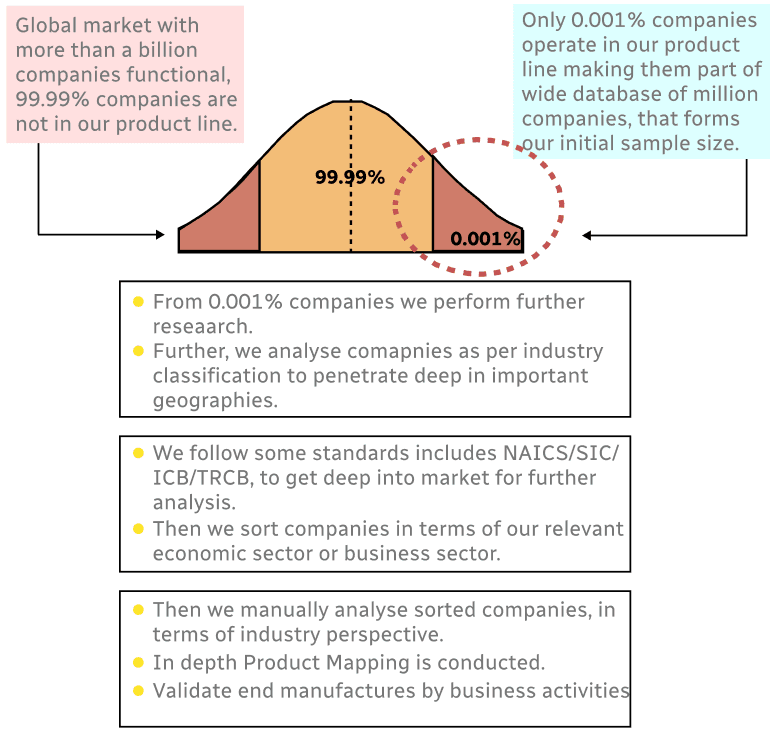
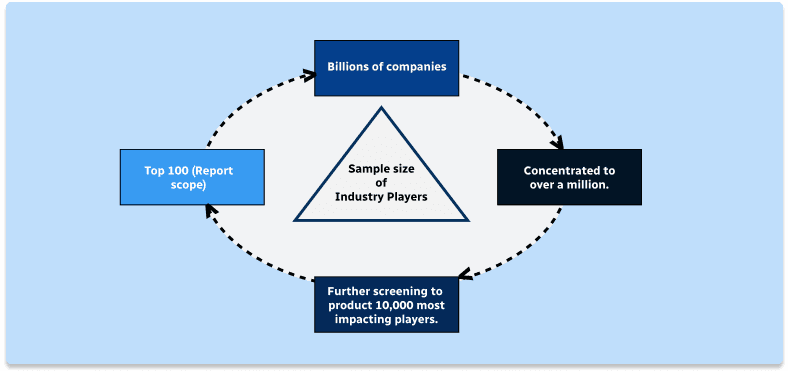
Step 1 - Identification of Relevant Samples Size from Population Database
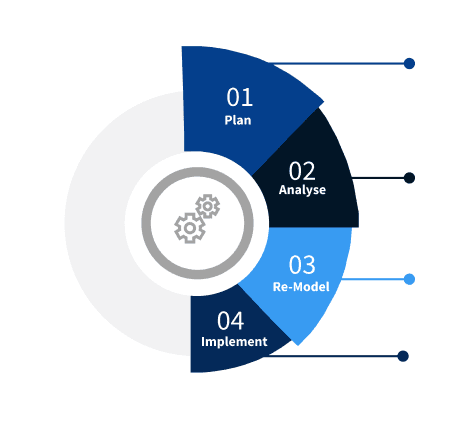
Step 2 - Approaches for Defining Global Market Size (Value, Volume* & Price*)
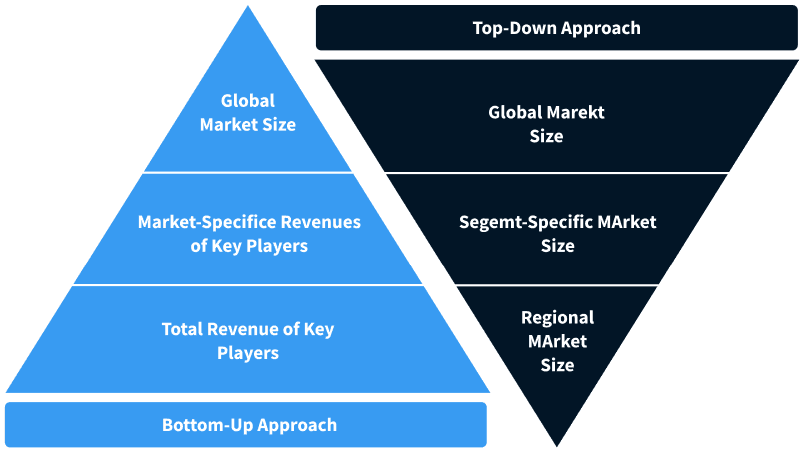
Note*: In applicable scenarios
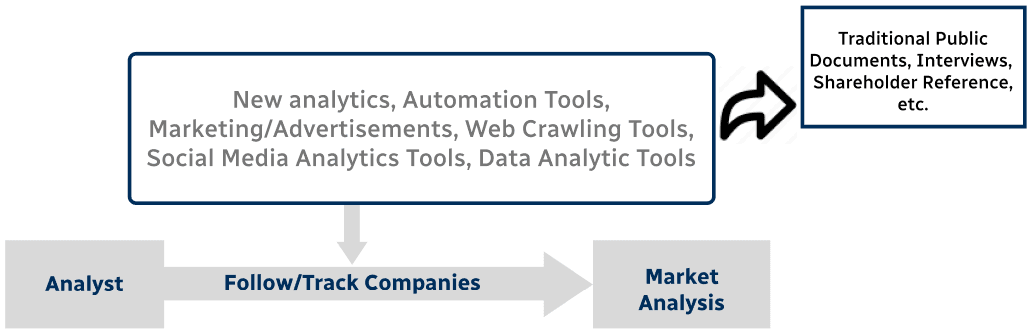
Step 3 - Data Sources
Primary Research
- Web Analytics
- Survey Reports
- Research Institute
- Latest Research Reports
- Opinion Leaders
Secondary Research
- Annual Reports
- White Paper
- Latest Press Release
- Industry Association
- Paid Database
- Investor Presentations
Step 4 - Data Triangulation
Involves using different sources of information in order to increase the validity of a study
These sources are likely to be stakeholders in a program - participants, other researchers, program staff, other community members, and so on.
Then we put all data in single framework & apply various statistical tools to find out the dynamic on the market.
During the analysis stage, feedback from the stakeholder groups would be compared to determine areas of agreement as well as areas of divergence