

Key Insights
The Cone Beam Breast CT (CBBCT) market is experiencing robust growth, projected to reach an estimated USD 1,500 million by 2025, with a significant Compound Annual Growth Rate (CAGR) of 18% anticipated through 2033. This upward trajectory is primarily fueled by the increasing demand for advanced diagnostic imaging solutions that offer superior visualization of breast tissue compared to traditional mammography. Key drivers include the rising incidence of breast cancer globally, the growing emphasis on early detection and personalized treatment strategies, and significant advancements in CBBCT technology, such as improved resolution and reduced radiation exposure. The integration of CBBCT systems into hospital and clinic settings is rapidly expanding as healthcare providers recognize its potential to enhance diagnostic accuracy, reduce false positives, and ultimately improve patient outcomes.
The market is segmented by application into hospitals and clinics, with hospitals currently holding a larger share due to higher patient volumes and greater investment capacity in advanced medical equipment. However, clinics are expected to witness substantial growth as CBBCT technology becomes more accessible and cost-effective. By type, the Plate Energy Integral and Photon Counting segments are pivotal, with Photon Counting technology showing particular promise due to its ability to provide more detailed spectral information, leading to enhanced tissue characterization. Restraints such as the initial high cost of CBBCT systems and the need for specialized training for radiographers and radiologists are being addressed through technological innovations and evolving reimbursement policies. Key players like Koning Health are actively driving market expansion through product development and strategic partnerships. Geographically, North America and Europe currently dominate the market, driven by established healthcare infrastructures and high adoption rates of advanced medical technologies. However, the Asia Pacific region is poised for rapid growth, fueled by increasing healthcare expenditure, a rising prevalence of breast cancer, and a growing awareness of the benefits of CBBCT.
.png)
Cone Beam Breast CT (CBBCT) Market: Navigating Advanced Imaging for Breast Health
This comprehensive report offers an in-depth analysis of the global Cone Beam Breast CT (CBBCT) market, a rapidly evolving sector within medical imaging. Explore the intricate dynamics, growth trajectories, and future potential of CBBCT technology, from its fundamental market structure to its role in revolutionizing breast cancer detection and diagnosis. This report is meticulously crafted for radiologists, oncologists, medical device manufacturers, investors, and healthcare administrators seeking a definitive understanding of the CBBCT landscape and its profound impact on patient care.
Cone Beam Breast CT(CBBCT) Market Dynamics & Structure
The Cone Beam Breast CT (CBBCT) market is characterized by a dynamic interplay of technological innovation, evolving regulatory landscapes, and increasing demand for advanced breast imaging solutions. While currently moderately concentrated, key players are actively investing in research and development to drive market expansion. Technological innovation is primarily fueled by advancements in detector technology, such as the transition towards Photon Counting detectors, and the development of sophisticated image reconstruction algorithms. Regulatory frameworks, while stringent, are adapting to accommodate the clinical validation and adoption of new CBBCT systems. Competitive product substitutes, including advanced mammography and MRI, continue to exist, but CBBCT offers unique advantages in visualizing dense breast tissue and providing detailed anatomical information. End-user demographics are shifting towards an aging population and an increasing awareness of breast health, driving demand for more sensitive and precise screening tools. Mergers and acquisitions (M&A) activity, while not extensively prevalent, is anticipated to play a role in consolidating market share and fostering technological integration. For instance, the acquisition of smaller imaging technology firms by larger medical device manufacturers could accelerate the commercialization of novel CBBCT applications. Innovation barriers include the high cost of initial investment for CBBCT systems, the need for extensive clinical trials for regulatory approval, and the ongoing requirement for specialized training for healthcare professionals to effectively utilize the technology.
- Market Concentration: Moderately concentrated with key players focusing on R&D.
- Technological Innovation Drivers: Photon Counting detectors, advanced image reconstruction, AI integration.
- Regulatory Frameworks: Growing emphasis on clinical validation and approval pathways for novel CBBCT devices.
- Competitive Product Substitutes: Advanced Mammography, Breast MRI, Ultrasound.
- End-User Demographics: Aging population, increased breast cancer awareness, demand for higher sensitivity screening.
- M&A Trends: Potential for consolidation and strategic partnerships to drive innovation and market reach.
- Innovation Barriers: High capital expenditure, lengthy clinical trial durations, specialized workforce training.
Cone Beam Breast CT(CBBCT) Growth Trends & Insights
The Cone Beam Breast CT (CBBCT) market is poised for significant expansion, driven by its superior diagnostic capabilities and growing adoption across healthcare settings. Leveraging advanced imaging techniques and a greater understanding of breast tissue complexities, the market is evolving from its nascent stages into a critical component of comprehensive breast health management. The market size is projected to witness a Compound Annual Growth Rate (CAGR) of approximately 15% over the forecast period, reaching an estimated $2.5 billion by 2033. This growth is underpinned by increasing healthcare expenditure, a rising incidence of breast cancer globally, and a growing preference for diagnostic tools that offer higher sensitivity and specificity compared to traditional methods.
Adoption rates for CBBCT are accelerating, particularly in developed markets where the infrastructure and financial capacity for advanced medical equipment are robust. Technological disruptions, such as the integration of artificial intelligence (AI) for image analysis and lesion detection, are further enhancing the appeal and efficiency of CBBCT systems. AI-powered algorithms can aid radiologists in identifying subtle abnormalities, reducing interpretation time, and improving diagnostic accuracy. Consumer behavior shifts are also contributing to market growth, with patients becoming more informed about breast health options and actively seeking out advanced screening technologies that promise better outcomes. The perceived benefits of CBBCT, including its ability to visualize dense breast tissue more effectively and provide 3D imaging without the compression associated with mammography, are driving patient demand and physician preference.
Furthermore, the development of dedicated CBBCT scanners designed specifically for breast imaging is improving workflow efficiency and patient comfort. This specialization is crucial for widespread clinical implementation. The increasing focus on early cancer detection and personalized medicine further amplifies the role of CBBCT in providing detailed information for treatment planning. The market penetration of CBBCT is still in its early phases, presenting a substantial opportunity for growth as awareness and clinical evidence continue to accumulate. The projected market size for the base year 2025 is estimated at $1.2 billion, with a substantial increase anticipated by the end of the forecast period. The investment in research and development by leading companies, along with strategic partnerships with healthcare institutions, will be instrumental in realizing this growth potential. The transition from early research to widespread clinical application is a key trend, driven by successful pilot studies and a growing body of evidence supporting the clinical utility of CBBCT.
.png)
Dominant Regions, Countries, or Segments in Cone Beam Breast CT(CBBCT)
North America is emerging as the dominant region in the Cone Beam Breast CT (CBBCT) market, driven by a confluence of factors including high healthcare expenditure, a well-established regulatory framework that supports advanced medical technologies, and a strong emphasis on early cancer detection. The United States, in particular, leads this dominance due to robust funding for medical research and development, a high prevalence of breast cancer cases, and the presence of leading healthcare institutions that are early adopters of innovative diagnostic tools. Economic policies favoring investment in advanced medical imaging infrastructure and a proactive approach to public health initiatives further bolster North America's leading position. The market share within this region is significant, contributing over 40% of the global CBBCT market revenue.
In terms of Application, Hospitals are the primary segment driving CBBCT adoption. This dominance stems from the comprehensive diagnostic capabilities offered by hospitals, including the need for advanced imaging in complex cases, pre-operative planning, and post-treatment monitoring. Hospitals possess the necessary infrastructure, trained personnel, and financial resources to invest in and operate sophisticated CBBCT systems. Clinics, while also showing increasing interest, currently represent a smaller but rapidly growing segment as CBBCT technology becomes more accessible and cost-effective for outpatient settings. The Clinic segment is expected to witness substantial growth as CBBCT systems become more streamlined and dedicated screening centers adopt the technology for routine mammography replacements and adjunct screening.
Among the Types of CBBCT technology, Photon Counting detectors are increasingly becoming a key differentiator and growth driver. While Plate Energy Integral detectors have formed the historical foundation, the superior image quality, reduced radiation dose, and enhanced spectral information offered by Photon Counting CBBCT systems are positioning them as the future of breast imaging. The market share of Photon Counting CBBCT is projected to grow exponentially over the forecast period, eventually surpassing Plate Energy Integral systems. This shift is fueled by ongoing technological advancements and a growing understanding of the clinical advantages of spectral imaging. Key drivers for this dominance include the potential for improved lesion characterization, reduced need for contrast agents, and the ability to differentiate between various tissue types with greater accuracy. The robust demand for enhanced diagnostic accuracy, coupled with favorable reimbursement policies for advanced imaging modalities in North America, further solidifies its leading position in the global CBBCT market.
- Dominant Region: North America (primarily the United States).
- Key Drivers in North America: High healthcare spending, supportive regulatory environment, early adoption of technology, high breast cancer incidence.
- Dominant Application Segment: Hospital.
- Growth Potential Application Segment: Clinic.
- Dominant CBBCT Type: Photon Counting Detectors (emerging).
- Historical CBBCT Type: Plate Energy Integral Detectors.
- Growth Drivers for Photon Counting: Superior image quality, lower radiation dose, spectral information, improved lesion characterization.
Cone Beam Breast CT(CBBCT) Product Landscape
The Cone Beam Breast CT (CBBCT) product landscape is characterized by rapid innovation focused on enhancing image resolution, reducing radiation dose, and improving patient comfort. Leading companies are introducing CBBCT systems that offer isotropic 3D imaging, providing unparalleled visualization of dense breast tissue and subtle abnormalities often missed by conventional mammography. Key advancements include the integration of advanced detector technologies, such as Photon Counting detectors, which enable spectral imaging capabilities, allowing for better differentiation of tissue types and potentially reducing the need for contrast agents. Furthermore, ergonomic design principles are being applied to develop patient-friendly scanners that minimize discomfort during examinations. The development of AI-powered software for automated lesion detection, segmentation, and quantitative analysis is also a significant trend, promising to streamline radiologist workflows and improve diagnostic accuracy.
Key Drivers, Barriers & Challenges in Cone Beam Breast CT(CBBCT)
Key Drivers:
- Technological Advancements: The development of Photon Counting detectors and AI integration are enhancing diagnostic accuracy and efficiency, driving adoption.
- Increasing Breast Cancer Incidence: A growing global incidence of breast cancer fuels the demand for more sensitive and precise screening tools.
- Patient Demand for Advanced Imaging: Growing patient awareness and a desire for less uncomfortable and more effective imaging methods are pushing CBBCT adoption.
- Improved Visualization of Dense Breast Tissue: CBBCT excels in imaging dense breasts, a critical factor for effective screening.
- Advancements in Radiation Dose Reduction: Ongoing research is leading to lower radiation exposure, addressing a key concern for imaging technologies.
Barriers & Challenges:
- High Capital Investment: The initial cost of CBBCT systems remains a significant barrier for many healthcare facilities.
- Regulatory Hurdles: Obtaining regulatory approval for new CBBCT devices and algorithms can be time-consuming and expensive.
- Reimbursement Policies: Inconsistent or insufficient reimbursement rates for CBBCT procedures in some regions can hinder widespread adoption.
- Need for Specialized Training: Operating and interpreting CBBCT scans requires specialized training for radiologists and technologists, posing a workforce challenge.
- Market Awareness and Education: Educating healthcare professionals and patients about the benefits of CBBCT is crucial for market penetration.
- Competition from Established Modalities: While CBBCT offers advantages, it faces competition from well-established mammography and MRI technologies.
- Supply Chain Disruptions: Global supply chain issues can impact the availability of components for CBBCT manufacturing and maintenance.
Emerging Opportunities in Cone Beam Breast CT(CBBCT) Industry
Emerging opportunities in the Cone Beam Breast CT (CBBCT) industry lie in the expansion of its application beyond initial screening and diagnosis. The development of AI algorithms for predictive analytics, enabling the identification of women at higher risk of developing breast cancer, presents a significant opportunity. Furthermore, the integration of CBBCT with other diagnostic modalities, such as liquid biopsies, could create a more comprehensive and personalized approach to breast cancer management. Untapped markets in developing economies, where advanced screening tools are becoming increasingly sought after, represent a vast growth potential. The evolving consumer preference for less invasive and more informative diagnostic procedures will continue to drive innovation and demand for CBBCT technology.
Growth Accelerators in the Cone Beam Breast CT(CBBCT) Industry
The long-term growth of the Cone Beam Breast CT (CBBCT) industry will be propelled by several key accelerators. Technological breakthroughs, particularly in the refinement of Photon Counting detectors and the widespread integration of AI for real-time image analysis and workflow optimization, will be crucial. Strategic partnerships between CBBCT manufacturers, artificial intelligence developers, and leading academic medical centers will foster innovation and accelerate clinical validation. Furthermore, proactive market expansion strategies targeting underserved regions and the development of cost-effective CBBCT solutions tailored for diverse healthcare settings will significantly contribute to market growth. The increasing focus on early disease detection and personalized medicine will continue to create a favorable environment for CBBCT adoption.
Key Players Shaping the Cone Beam Breast CT(CBBCT) Market
- Koning Health
- Hologic, Inc.
- GE Healthcare
- Siemens Healthineers AG
- Fujifilm Holdings Corporation
- Philips N.V.
- Canon Medical Systems Corporation
- Danmarks Tekniske Universitet (DTU)
- Mayo Clinic
Notable Milestones in Cone Beam Breast CT(CBBCT) Sector
- 2019: Initial clinical trials showcasing the potential of early CBBCT systems for dense breast tissue imaging.
- 2020: First FDA clearance for a dedicated CBBCT system, marking a significant step towards market commercialization.
- 2021: Advancements in detector technology, including early prototypes of Photon Counting detectors for breast CT applications.
- 2022: Growing body of research published on the efficacy of CBBCT in detecting smaller and more subtle breast cancers.
- 2023: Increased investment from venture capital firms in CBBCT technology startups and scale-ups.
- 2024: Emergence of AI-powered software solutions for CBBCT image analysis and interpretation, enhancing workflow efficiency.
In-Depth Cone Beam Breast CT(CBBCT) Market Outlook
The future outlook for the Cone Beam Breast CT (CBBCT) market is exceptionally promising, driven by a convergence of accelerating factors. Continued technological innovation, particularly in Photon Counting detector technology and advanced AI integration, will further enhance diagnostic accuracy, reduce radiation exposure, and optimize clinical workflows. Strategic collaborations between CBBCT manufacturers, AI developers, and research institutions will be instrumental in validating new applications and driving widespread clinical adoption. As healthcare systems globally prioritize early disease detection and personalized medicine, CBBCT is positioned to become an indispensable tool in comprehensive breast health management. The expanding market reach into developing economies and the potential for cost-effective solutions will unlock significant growth potential, solidifying CBBCT's role in revolutionizing breast cancer imaging.
Cone Beam Breast CT(CBBCT) Segmentation
-
1. Application
- 1.1. Hospital
- 1.2. Clinic
-
2. Types
- 2.1. Plate Energy Integral
- 2.2. Photon Counting
Cone Beam Breast CT(CBBCT) Segmentation By Geography
-
1. North America
- 1.1. United States
- 1.2. Canada
- 1.3. Mexico
-
2. South America
- 2.1. Brazil
- 2.2. Argentina
- 2.3. Rest of South America
-
3. Europe
- 3.1. United Kingdom
- 3.2. Germany
- 3.3. France
- 3.4. Italy
- 3.5. Spain
- 3.6. Russia
- 3.7. Benelux
- 3.8. Nordics
- 3.9. Rest of Europe
-
4. Middle East & Africa
- 4.1. Turkey
- 4.2. Israel
- 4.3. GCC
- 4.4. North Africa
- 4.5. South Africa
- 4.6. Rest of Middle East & Africa
-
5. Asia Pacific
- 5.1. China
- 5.2. India
- 5.3. Japan
- 5.4. South Korea
- 5.5. ASEAN
- 5.6. Oceania
- 5.7. Rest of Asia Pacific
.png)
Cone Beam Breast CT(CBBCT) REPORT HIGHLIGHTS
| Aspects | Details |
|---|---|
| Study Period | 2019-2033 |
| Base Year | 2024 |
| Estimated Year | 2025 |
| Forecast Period | 2025-2033 |
| Historical Period | 2019-2024 |
| Growth Rate | CAGR of XX% from 2019-2033 |
| Segmentation |
|
Table of Contents
- 1. Introduction
- 1.1. Research Scope
- 1.2. Market Segmentation
- 1.3. Research Methodology
- 1.4. Definitions and Assumptions
- 2. Executive Summary
- 2.1. Introduction
- 3. Market Dynamics
- 3.1. Introduction
- 3.2. Market Drivers
- 3.3. Market Restrains
- 3.4. Market Trends
- 4. Market Factor Analysis
- 4.1. Porters Five Forces
- 4.2. Supply/Value Chain
- 4.3. PESTEL analysis
- 4.4. Market Entropy
- 4.5. Patent/Trademark Analysis
- 5. Global Cone Beam Breast CT(CBBCT) Analysis, Insights and Forecast, 2019-2031
- 5.1. Market Analysis, Insights and Forecast - by Application
- 5.1.1. Hospital
- 5.1.2. Clinic
- 5.2. Market Analysis, Insights and Forecast - by Types
- 5.2.1. Plate Energy Integral
- 5.2.2. Photon Counting
- 5.3. Market Analysis, Insights and Forecast - by Region
- 5.3.1. North America
- 5.3.2. South America
- 5.3.3. Europe
- 5.3.4. Middle East & Africa
- 5.3.5. Asia Pacific
- 5.1. Market Analysis, Insights and Forecast - by Application
- 6. North America Cone Beam Breast CT(CBBCT) Analysis, Insights and Forecast, 2019-2031
- 6.1. Market Analysis, Insights and Forecast - by Application
- 6.1.1. Hospital
- 6.1.2. Clinic
- 6.2. Market Analysis, Insights and Forecast - by Types
- 6.2.1. Plate Energy Integral
- 6.2.2. Photon Counting
- 6.1. Market Analysis, Insights and Forecast - by Application
- 7. South America Cone Beam Breast CT(CBBCT) Analysis, Insights and Forecast, 2019-2031
- 7.1. Market Analysis, Insights and Forecast - by Application
- 7.1.1. Hospital
- 7.1.2. Clinic
- 7.2. Market Analysis, Insights and Forecast - by Types
- 7.2.1. Plate Energy Integral
- 7.2.2. Photon Counting
- 7.1. Market Analysis, Insights and Forecast - by Application
- 8. Europe Cone Beam Breast CT(CBBCT) Analysis, Insights and Forecast, 2019-2031
- 8.1. Market Analysis, Insights and Forecast - by Application
- 8.1.1. Hospital
- 8.1.2. Clinic
- 8.2. Market Analysis, Insights and Forecast - by Types
- 8.2.1. Plate Energy Integral
- 8.2.2. Photon Counting
- 8.1. Market Analysis, Insights and Forecast - by Application
- 9. Middle East & Africa Cone Beam Breast CT(CBBCT) Analysis, Insights and Forecast, 2019-2031
- 9.1. Market Analysis, Insights and Forecast - by Application
- 9.1.1. Hospital
- 9.1.2. Clinic
- 9.2. Market Analysis, Insights and Forecast - by Types
- 9.2.1. Plate Energy Integral
- 9.2.2. Photon Counting
- 9.1. Market Analysis, Insights and Forecast - by Application
- 10. Asia Pacific Cone Beam Breast CT(CBBCT) Analysis, Insights and Forecast, 2019-2031
- 10.1. Market Analysis, Insights and Forecast - by Application
- 10.1.1. Hospital
- 10.1.2. Clinic
- 10.2. Market Analysis, Insights and Forecast - by Types
- 10.2.1. Plate Energy Integral
- 10.2.2. Photon Counting
- 10.1. Market Analysis, Insights and Forecast - by Application
- 11. Competitive Analysis
- 11.1. Global Market Share Analysis 2024
- 11.2. Company Profiles
- 11.2.1. Koning Health
List of Figures
- Figure 1: Global Cone Beam Breast CT(CBBCT) Revenue Breakdown (million, %) by Region 2024 & 2032
- Figure 2: North America Cone Beam Breast CT(CBBCT) Revenue (million), by Application 2024 & 2032
- Figure 3: North America Cone Beam Breast CT(CBBCT) Revenue Share (%), by Application 2024 & 2032
- Figure 4: North America Cone Beam Breast CT(CBBCT) Revenue (million), by Types 2024 & 2032
- Figure 5: North America Cone Beam Breast CT(CBBCT) Revenue Share (%), by Types 2024 & 2032
- Figure 6: North America Cone Beam Breast CT(CBBCT) Revenue (million), by Country 2024 & 2032
- Figure 7: North America Cone Beam Breast CT(CBBCT) Revenue Share (%), by Country 2024 & 2032
- Figure 8: South America Cone Beam Breast CT(CBBCT) Revenue (million), by Application 2024 & 2032
- Figure 9: South America Cone Beam Breast CT(CBBCT) Revenue Share (%), by Application 2024 & 2032
- Figure 10: South America Cone Beam Breast CT(CBBCT) Revenue (million), by Types 2024 & 2032
- Figure 11: South America Cone Beam Breast CT(CBBCT) Revenue Share (%), by Types 2024 & 2032
- Figure 12: South America Cone Beam Breast CT(CBBCT) Revenue (million), by Country 2024 & 2032
- Figure 13: South America Cone Beam Breast CT(CBBCT) Revenue Share (%), by Country 2024 & 2032
- Figure 14: Europe Cone Beam Breast CT(CBBCT) Revenue (million), by Application 2024 & 2032
- Figure 15: Europe Cone Beam Breast CT(CBBCT) Revenue Share (%), by Application 2024 & 2032
- Figure 16: Europe Cone Beam Breast CT(CBBCT) Revenue (million), by Types 2024 & 2032
- Figure 17: Europe Cone Beam Breast CT(CBBCT) Revenue Share (%), by Types 2024 & 2032
- Figure 18: Europe Cone Beam Breast CT(CBBCT) Revenue (million), by Country 2024 & 2032
- Figure 19: Europe Cone Beam Breast CT(CBBCT) Revenue Share (%), by Country 2024 & 2032
- Figure 20: Middle East & Africa Cone Beam Breast CT(CBBCT) Revenue (million), by Application 2024 & 2032
- Figure 21: Middle East & Africa Cone Beam Breast CT(CBBCT) Revenue Share (%), by Application 2024 & 2032
- Figure 22: Middle East & Africa Cone Beam Breast CT(CBBCT) Revenue (million), by Types 2024 & 2032
- Figure 23: Middle East & Africa Cone Beam Breast CT(CBBCT) Revenue Share (%), by Types 2024 & 2032
- Figure 24: Middle East & Africa Cone Beam Breast CT(CBBCT) Revenue (million), by Country 2024 & 2032
- Figure 25: Middle East & Africa Cone Beam Breast CT(CBBCT) Revenue Share (%), by Country 2024 & 2032
- Figure 26: Asia Pacific Cone Beam Breast CT(CBBCT) Revenue (million), by Application 2024 & 2032
- Figure 27: Asia Pacific Cone Beam Breast CT(CBBCT) Revenue Share (%), by Application 2024 & 2032
- Figure 28: Asia Pacific Cone Beam Breast CT(CBBCT) Revenue (million), by Types 2024 & 2032
- Figure 29: Asia Pacific Cone Beam Breast CT(CBBCT) Revenue Share (%), by Types 2024 & 2032
- Figure 30: Asia Pacific Cone Beam Breast CT(CBBCT) Revenue (million), by Country 2024 & 2032
- Figure 31: Asia Pacific Cone Beam Breast CT(CBBCT) Revenue Share (%), by Country 2024 & 2032
List of Tables
- Table 1: Global Cone Beam Breast CT(CBBCT) Revenue million Forecast, by Region 2019 & 2032
- Table 2: Global Cone Beam Breast CT(CBBCT) Revenue million Forecast, by Application 2019 & 2032
- Table 3: Global Cone Beam Breast CT(CBBCT) Revenue million Forecast, by Types 2019 & 2032
- Table 4: Global Cone Beam Breast CT(CBBCT) Revenue million Forecast, by Region 2019 & 2032
- Table 5: Global Cone Beam Breast CT(CBBCT) Revenue million Forecast, by Application 2019 & 2032
- Table 6: Global Cone Beam Breast CT(CBBCT) Revenue million Forecast, by Types 2019 & 2032
- Table 7: Global Cone Beam Breast CT(CBBCT) Revenue million Forecast, by Country 2019 & 2032
- Table 8: United States Cone Beam Breast CT(CBBCT) Revenue (million) Forecast, by Application 2019 & 2032
- Table 9: Canada Cone Beam Breast CT(CBBCT) Revenue (million) Forecast, by Application 2019 & 2032
- Table 10: Mexico Cone Beam Breast CT(CBBCT) Revenue (million) Forecast, by Application 2019 & 2032
- Table 11: Global Cone Beam Breast CT(CBBCT) Revenue million Forecast, by Application 2019 & 2032
- Table 12: Global Cone Beam Breast CT(CBBCT) Revenue million Forecast, by Types 2019 & 2032
- Table 13: Global Cone Beam Breast CT(CBBCT) Revenue million Forecast, by Country 2019 & 2032
- Table 14: Brazil Cone Beam Breast CT(CBBCT) Revenue (million) Forecast, by Application 2019 & 2032
- Table 15: Argentina Cone Beam Breast CT(CBBCT) Revenue (million) Forecast, by Application 2019 & 2032
- Table 16: Rest of South America Cone Beam Breast CT(CBBCT) Revenue (million) Forecast, by Application 2019 & 2032
- Table 17: Global Cone Beam Breast CT(CBBCT) Revenue million Forecast, by Application 2019 & 2032
- Table 18: Global Cone Beam Breast CT(CBBCT) Revenue million Forecast, by Types 2019 & 2032
- Table 19: Global Cone Beam Breast CT(CBBCT) Revenue million Forecast, by Country 2019 & 2032
- Table 20: United Kingdom Cone Beam Breast CT(CBBCT) Revenue (million) Forecast, by Application 2019 & 2032
- Table 21: Germany Cone Beam Breast CT(CBBCT) Revenue (million) Forecast, by Application 2019 & 2032
- Table 22: France Cone Beam Breast CT(CBBCT) Revenue (million) Forecast, by Application 2019 & 2032
- Table 23: Italy Cone Beam Breast CT(CBBCT) Revenue (million) Forecast, by Application 2019 & 2032
- Table 24: Spain Cone Beam Breast CT(CBBCT) Revenue (million) Forecast, by Application 2019 & 2032
- Table 25: Russia Cone Beam Breast CT(CBBCT) Revenue (million) Forecast, by Application 2019 & 2032
- Table 26: Benelux Cone Beam Breast CT(CBBCT) Revenue (million) Forecast, by Application 2019 & 2032
- Table 27: Nordics Cone Beam Breast CT(CBBCT) Revenue (million) Forecast, by Application 2019 & 2032
- Table 28: Rest of Europe Cone Beam Breast CT(CBBCT) Revenue (million) Forecast, by Application 2019 & 2032
- Table 29: Global Cone Beam Breast CT(CBBCT) Revenue million Forecast, by Application 2019 & 2032
- Table 30: Global Cone Beam Breast CT(CBBCT) Revenue million Forecast, by Types 2019 & 2032
- Table 31: Global Cone Beam Breast CT(CBBCT) Revenue million Forecast, by Country 2019 & 2032
- Table 32: Turkey Cone Beam Breast CT(CBBCT) Revenue (million) Forecast, by Application 2019 & 2032
- Table 33: Israel Cone Beam Breast CT(CBBCT) Revenue (million) Forecast, by Application 2019 & 2032
- Table 34: GCC Cone Beam Breast CT(CBBCT) Revenue (million) Forecast, by Application 2019 & 2032
- Table 35: North Africa Cone Beam Breast CT(CBBCT) Revenue (million) Forecast, by Application 2019 & 2032
- Table 36: South Africa Cone Beam Breast CT(CBBCT) Revenue (million) Forecast, by Application 2019 & 2032
- Table 37: Rest of Middle East & Africa Cone Beam Breast CT(CBBCT) Revenue (million) Forecast, by Application 2019 & 2032
- Table 38: Global Cone Beam Breast CT(CBBCT) Revenue million Forecast, by Application 2019 & 2032
- Table 39: Global Cone Beam Breast CT(CBBCT) Revenue million Forecast, by Types 2019 & 2032
- Table 40: Global Cone Beam Breast CT(CBBCT) Revenue million Forecast, by Country 2019 & 2032
- Table 41: China Cone Beam Breast CT(CBBCT) Revenue (million) Forecast, by Application 2019 & 2032
- Table 42: India Cone Beam Breast CT(CBBCT) Revenue (million) Forecast, by Application 2019 & 2032
- Table 43: Japan Cone Beam Breast CT(CBBCT) Revenue (million) Forecast, by Application 2019 & 2032
- Table 44: South Korea Cone Beam Breast CT(CBBCT) Revenue (million) Forecast, by Application 2019 & 2032
- Table 45: ASEAN Cone Beam Breast CT(CBBCT) Revenue (million) Forecast, by Application 2019 & 2032
- Table 46: Oceania Cone Beam Breast CT(CBBCT) Revenue (million) Forecast, by Application 2019 & 2032
- Table 47: Rest of Asia Pacific Cone Beam Breast CT(CBBCT) Revenue (million) Forecast, by Application 2019 & 2032
Frequently Asked Questions
1. What is the projected Compound Annual Growth Rate (CAGR) of the Cone Beam Breast CT(CBBCT)?
The projected CAGR is approximately XX%.
2. Which companies are prominent players in the Cone Beam Breast CT(CBBCT)?
Key companies in the market include Koning Health.
3. What are the main segments of the Cone Beam Breast CT(CBBCT)?
The market segments include Application, Types.
4. Can you provide details about the market size?
The market size is estimated to be USD XXX million as of 2022.
5. What are some drivers contributing to market growth?
N/A
6. What are the notable trends driving market growth?
N/A
7. Are there any restraints impacting market growth?
N/A
8. Can you provide examples of recent developments in the market?
N/A
9. What pricing options are available for accessing the report?
Pricing options include single-user, multi-user, and enterprise licenses priced at USD 4900.00, USD 7350.00, and USD 9800.00 respectively.
10. Is the market size provided in terms of value or volume?
The market size is provided in terms of value, measured in million.
11. Are there any specific market keywords associated with the report?
Yes, the market keyword associated with the report is "Cone Beam Breast CT(CBBCT)," which aids in identifying and referencing the specific market segment covered.
12. How do I determine which pricing option suits my needs best?
The pricing options vary based on user requirements and access needs. Individual users may opt for single-user licenses, while businesses requiring broader access may choose multi-user or enterprise licenses for cost-effective access to the report.
13. Are there any additional resources or data provided in the Cone Beam Breast CT(CBBCT) report?
While the report offers comprehensive insights, it's advisable to review the specific contents or supplementary materials provided to ascertain if additional resources or data are available.
14. How can I stay updated on further developments or reports in the Cone Beam Breast CT(CBBCT)?
To stay informed about further developments, trends, and reports in the Cone Beam Breast CT(CBBCT), consider subscribing to industry newsletters, following relevant companies and organizations, or regularly checking reputable industry news sources and publications.
Methodology
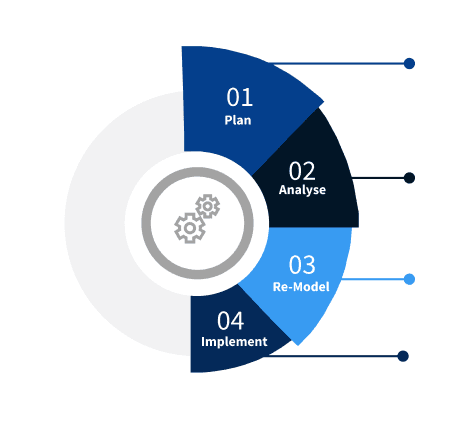
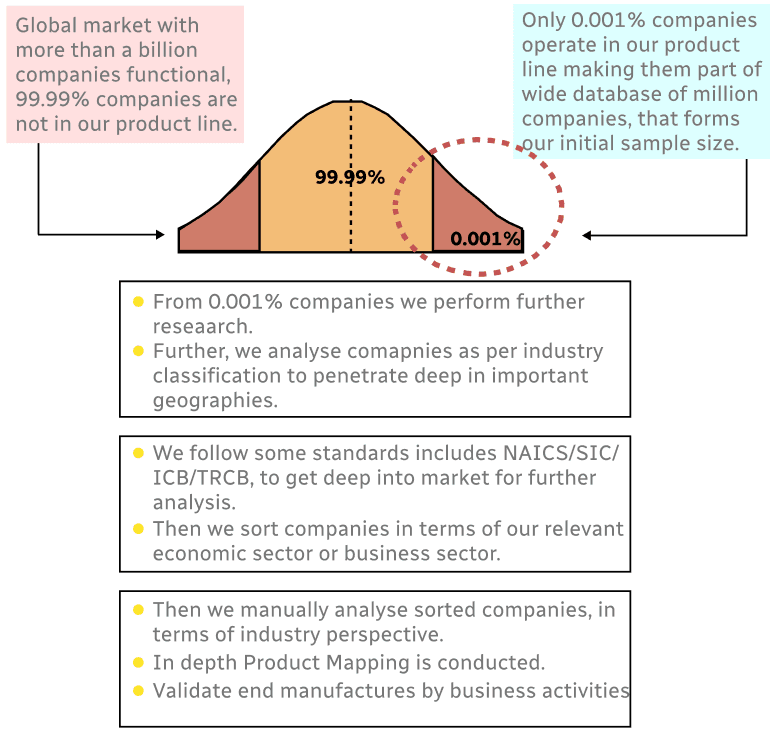
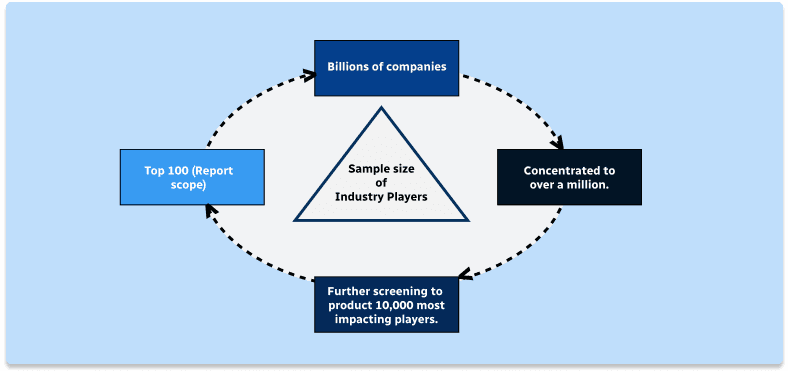
Step 1 - Identification of Relevant Samples Size from Population Database
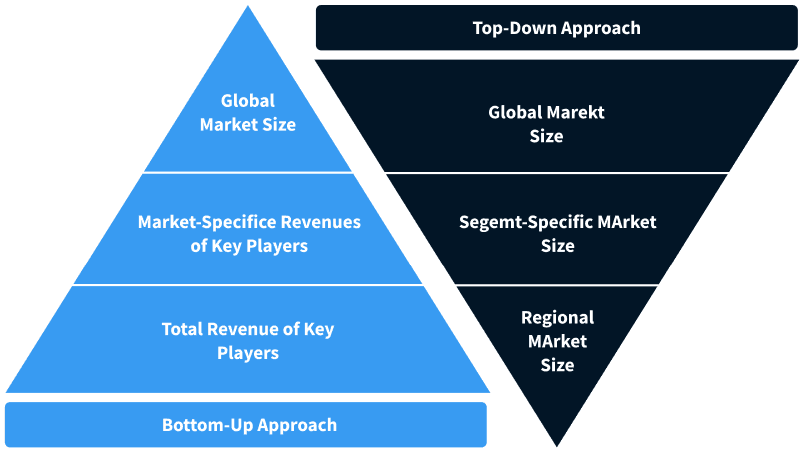
Step 2 - Approaches for Defining Global Market Size (Value, Volume* & Price*)
Note*: In applicable scenarios
Step 3 - Data Sources
Primary Research
- Web Analytics
- Survey Reports
- Research Institute
- Latest Research Reports
- Opinion Leaders
Secondary Research
- Annual Reports
- White Paper
- Latest Press Release
- Industry Association
- Paid Database
- Investor Presentations
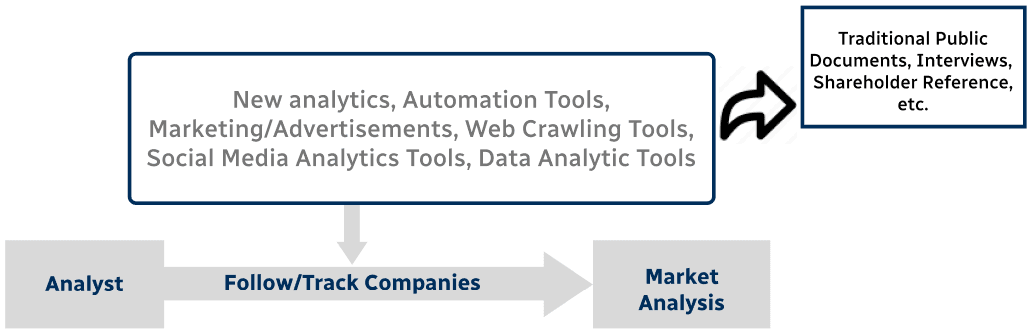
Step 4 - Data Triangulation
Involves using different sources of information in order to increase the validity of a study
These sources are likely to be stakeholders in a program - participants, other researchers, program staff, other community members, and so on.
Then we put all data in single framework & apply various statistical tools to find out the dynamic on the market.
During the analysis stage, feedback from the stakeholder groups would be compared to determine areas of agreement as well as areas of divergence