

Key Insights
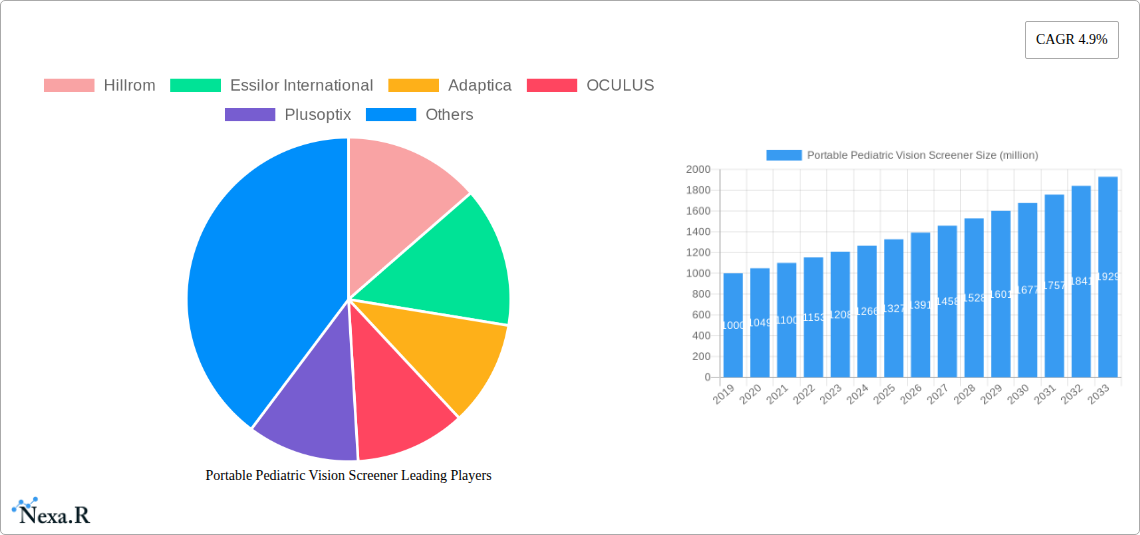
The global market for Portable Pediatric Vision Screeners is poised for significant expansion, driven by an increasing awareness of early childhood vision health and the growing prevalence of visual impairments among children. The market is estimated to be valued at approximately $1.2 billion in 2025, with projections indicating a robust Compound Annual Growth Rate (CAGR) of 4.9% through 2033. This growth trajectory is fueled by several key factors, including the rising demand for convenient and accessible vision screening solutions in diverse settings such as pediatric offices and schools. The shift towards preventative healthcare, coupled with government initiatives promoting early detection of vision problems in children, further underpins this positive market outlook. Furthermore, technological advancements in portable screening devices, offering enhanced accuracy, user-friendliness, and data management capabilities, are contributing to market adoption. The pediatric office segment is expected to remain the dominant application area, owing to its direct access to young patients and the established protocols for regular health check-ups.
Despite the promising growth, certain restraints may influence the market's pace. These include the initial cost of advanced screening equipment, the need for trained personnel to operate sophisticated devices, and varying healthcare infrastructure across different regions. However, the overwhelming benefits of early detection – preventing long-term vision loss, improving academic performance, and enhancing overall quality of life for children – are expected to outweigh these challenges. The market is segmented into Monocular and Binocular Measurement types, with binocular measurement systems gaining traction due to their comprehensive diagnostic capabilities. Key players like Hillrom, Essilor International, and OCULUS are actively innovating and expanding their product portfolios to cater to the evolving needs of the market. The Asia Pacific region, particularly China and India, is anticipated to witness substantial growth, driven by a large pediatric population and increasing healthcare investments.
This in-depth report provides an exhaustive analysis of the global Portable Pediatric Vision Screener Market, offering critical insights for industry stakeholders. Examining the market from 2019 to 2033, with a base year of 2025 and a forecast period of 2025–2033, this study is essential for understanding current dynamics and future trajectories. We integrate high-traffic keywords to maximize visibility for terms like "pediatric vision screening," "infant eye exams," "child vision disorders," "ophthalmic devices," and "early childhood eye care." The report also considers the burgeoning parent and child market, recognizing the increasing demand for accessible and advanced vision health solutions for young populations.
Portable Pediatric Vision Screener Market Dynamics & Structure
The global Portable Pediatric Vision Screener Market is characterized by a moderate level of concentration, with key players like Hillrom and Essilor International holding significant shares. Technological innovation is a primary driver, propelled by the continuous need for more accurate, faster, and user-friendly screening devices. Advancements in AI and image processing are revolutionizing early detection of amblyopia, strabismus, and refractive errors in children. Regulatory frameworks, particularly those emphasizing early childhood vision health initiatives, are shaping market entry and product development.
- Market Concentration: Moderate, with a few dominant players and a growing number of innovative smaller companies.
- Technological Innovation Drivers:
- AI-powered image analysis for automated detection.
- Miniaturization of devices for enhanced portability.
- Integration with telehealth platforms for remote consultations.
- Regulatory Frameworks: Stringent approval processes for medical devices, with increasing focus on pediatric safety and efficacy. Government mandates for school vision screenings also influence adoption.
- Competitive Product Substitutes: Traditional eye charts and manual ophthalmic instruments, though rapidly being superseded by digital solutions.
- End-User Demographics: Pediatricians, ophthalmologists, optometrists, school nurses, and public health organizations are key end-users. The rising awareness among parents about early vision care further fuels demand.
- M&A Trends: Strategic acquisitions by larger players to expand product portfolios and gain access to new technologies and markets are anticipated. Expected M&A deal volume: approximately 15-20 deals annually over the forecast period.
Portable Pediatric Vision Screener Growth Trends & Insights
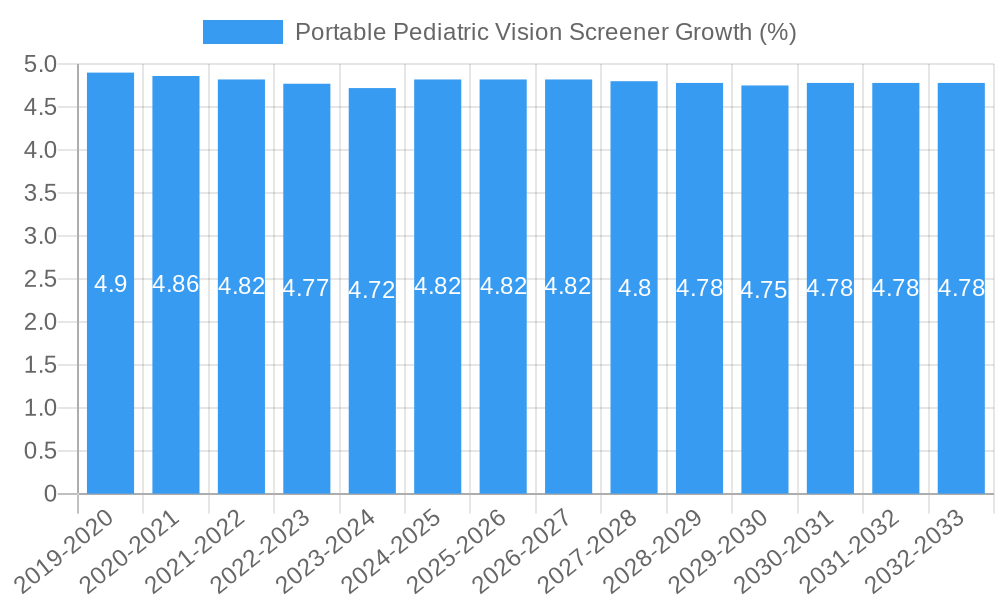
The Portable Pediatric Vision Screener Market is poised for robust growth, driven by an escalating global focus on early childhood vision health and the increasing prevalence of visual impairments in children. The market size is projected to expand significantly, moving from an estimated $350 million in the historical period (2019-2024) to an estimated $600 million by 2025, and projected to reach approximately $1.5 billion by 2033. This growth is underpinned by rising adoption rates of digital screening technologies in pediatric offices, schools, and community health centers worldwide.
Technological disruptions are at the forefront of this expansion. Innovations such as binocular infrared photorefraction and AI-driven automated analysis are enhancing the accuracy and efficiency of vision screening, enabling earlier detection of critical conditions like amblyopia, strabismus, and refractive errors. These advancements are crucial for addressing the estimated 1 in 4 children in the United States alone who require vision correction. Consumer behavior shifts are also playing a vital role, with parents increasingly proactive in seeking regular vision check-ups for their children, driven by greater awareness of the long-term consequences of untreated vision problems.
The market penetration of portable vision screeners, currently estimated at around 30% in developed countries, is expected to rise substantially. This increase will be fueled by government initiatives promoting early vision screening programs and the cost-effectiveness of these devices compared to comprehensive eye examinations for initial screening purposes. The CAGR for the portable pediatric vision screener market is projected to be approximately 12-15% during the forecast period. The increasing integration of these devices with electronic health records (EHRs) and the development of user-friendly interfaces are further accelerating their adoption. The growing demand for vision screening in underserved communities, facilitated by the portability of these devices, also represents a significant growth avenue. The estimated number of pediatric vision screenings conducted globally annually is expected to grow from around 50 million to over 120 million by 2033.
Dominant Regions, Countries, or Segments in Portable Pediatric Vision Screener
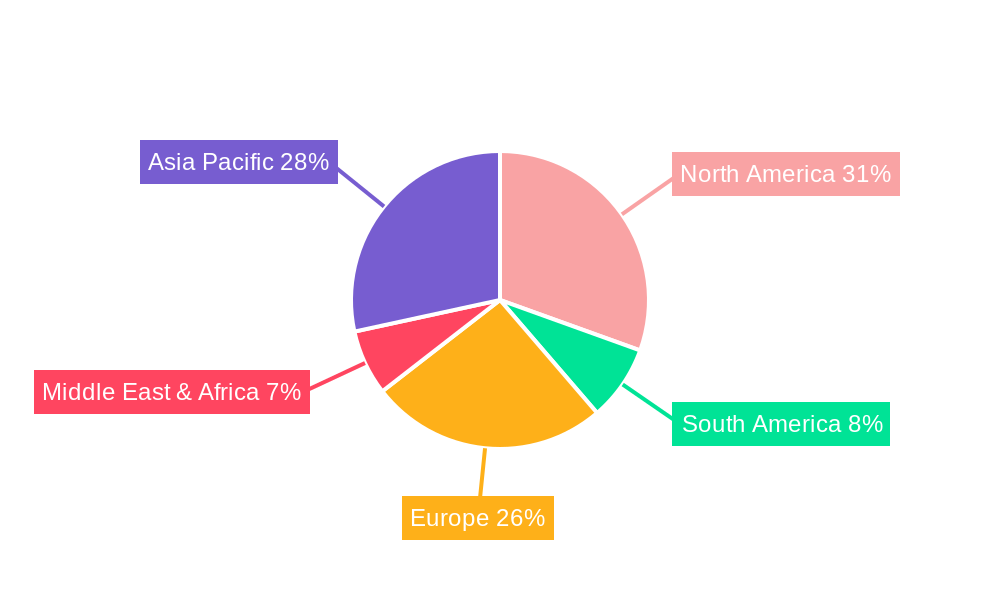
The Portable Pediatric Vision Screener Market is experiencing significant growth across various regions and segments, with North America currently leading in terms of market share and adoption. This dominance is attributed to a confluence of factors including robust healthcare infrastructure, high disposable incomes, proactive government policies supporting early childhood vision health, and a high level of awareness among parents regarding the importance of regular eye examinations. The United States, in particular, represents a substantial market, driven by federal and state mandates for vision screenings in schools and pediatric offices.
- Dominant Region: North America, with an estimated market share of 35-40%.
- Key Drivers in North America:
- Strong reimbursement policies for pediatric vision care.
- High adoption rates of advanced medical technologies.
- Prevalence of vision disorders like amblyopia and refractive errors.
- Active role of professional organizations in advocating for early screening.
- Dominant Application Segment: Pediatric Office, accounting for approximately 50-55% of the market.
- Reasoning: Pediatricians are often the first point of contact for child healthcare, making them ideal settings for routine vision screenings. The convenience and speed of portable devices are highly valued in busy clinical environments.
- Dominant Type Segment: Binocular Measurement, representing around 60-65% of the market.
- Reasoning: Binocular screening devices offer a more comprehensive assessment, capable of detecting conditions that affect both eyes simultaneously or are related to binocular vision. They are more efficient in identifying amblyopia risk factors by comparing visual input from both eyes.
- Growth Potential in Emerging Markets: Asia-Pacific is projected to exhibit the highest growth rate due to expanding healthcare access, increasing government investment in public health, and a rapidly growing pediatric population.
- Key Drivers in Asia-Pacific:
- Favorable government initiatives for child health.
- Increasing affordability of technological solutions.
- Rising awareness campaigns on eye health.
- Key Drivers in Asia-Pacific:
- Other Significant Segments: School-based screenings and community health initiatives are gaining traction, particularly in developing regions, due to the cost-effectiveness and accessibility of portable vision screeners. The "Others" segment, encompassing private clinics and specialized vision centers, also contributes significantly.
Portable Pediatric Vision Screener Product Landscape
The Portable Pediatric Vision Screener Market showcases a dynamic product landscape driven by innovation and a focus on user-centric design. Leading companies are introducing advanced devices that utilize non-invasive technologies such as photorefraction, photoscreening, and autorefraction. These screeners are designed for rapid, objective assessment of visual acuity, refractive errors (myopia, hyperopia, astigmatism), and binocular vision disorders like strabismus and amblyopia. Product features increasingly include compact and lightweight designs, user-friendly interfaces with intuitive navigation, and wireless connectivity for seamless data transfer to electronic health records.
- Product Innovations: AI-powered algorithms for enhanced diagnostic accuracy, integrated patient data management systems, and dual-functionality devices capable of performing multiple vision tests.
- Applications: Routine vision screening in pediatric offices, early detection programs in schools and daycare centers, mobile health initiatives, and use in remote or underserved areas.
- Performance Metrics: High sensitivity and specificity in detecting vision abnormalities, short screening times (typically under a minute per child), and the ability to screen infants and young children who cannot reliably communicate subjective responses. Unique selling propositions include early detection capabilities, portability for outreach programs, and reduced need for specialized personnel.
Key Drivers, Barriers & Challenges in Portable Pediatric Vision Screener
The Portable Pediatric Vision Screener Market is propelled by several key drivers that are fundamentally reshaping pediatric eye care. The increasing global emphasis on early detection and prevention of vision disorders in children is paramount. Technological advancements in non-invasive screening methods, coupled with the growing demand for objective and rapid diagnostic tools, are accelerating market growth. Furthermore, government initiatives and health organization recommendations for routine vision screenings in schools and pediatric clinics are creating a sustained demand. The rising awareness among parents about the critical link between vision health and a child's overall development and academic performance is also a significant driver.
- Key Drivers:
- Global initiatives for early childhood vision health.
- Technological innovations in AI and digital imaging.
- Government mandates for school vision screenings.
- Increased parental awareness of vision health importance.
Conversely, the market faces notable barriers and challenges that can temper growth. The initial cost of advanced portable vision screening devices can be a deterrent for smaller clinics or healthcare providers in resource-limited settings. Stringent regulatory approvals for medical devices, though necessary for safety, can prolong time-to-market for new products. The need for adequate training for healthcare professionals to effectively operate and interpret results from these sophisticated devices is also a crucial consideration. Competition from established manual methods, while diminishing, still exists in certain markets. Finally, data privacy and security concerns associated with the digital transmission of patient information require robust solutions.
- Key Barriers & Challenges:
- High initial device costs for some providers.
- Complex regulatory approval processes.
- Need for specialized training and expertise.
- Data security and privacy concerns.
- Integration challenges with existing healthcare IT systems.
Emerging Opportunities in Portable Pediatric Vision Screener
The Portable Pediatric Vision Screener Market is ripe with emerging opportunities that promise to drive future expansion and innovation. The growing integration of these devices with telehealth platforms presents a significant avenue, enabling remote consultations and vision screening in underserved areas. The development of AI-powered predictive analytics that can identify children at higher risk for specific vision conditions even before symptoms manifest is another groundbreaking opportunity. Furthermore, the increasing demand for user-friendly, app-based screening solutions designed for home use by parents, under the guidance of healthcare professionals, could democratize early vision detection.
- Untapped Markets: Expanding reach into developing countries with growing healthcare infrastructure and increasing focus on child welfare.
- Innovative Applications: Development of integrated systems that combine vision screening with other pediatric health assessments.
- Evolving Consumer Preferences: Demand for integrated digital health solutions and personalized health monitoring for children.
Growth Accelerators in the Portable Pediatric Vision Screener Industry
Several factors are acting as significant growth accelerators in the Portable Pediatric Vision Screener Industry. Technological breakthroughs, particularly in artificial intelligence and machine learning for enhanced diagnostic accuracy, are at the forefront. These advancements allow for faster, more reliable identification of visual abnormalities, thereby increasing efficiency and confidence in screening. Strategic partnerships between device manufacturers, healthcare providers, and educational institutions are crucial for expanding adoption and implementing widespread screening programs. Market expansion strategies, including the development of more affordable and accessible screening solutions, are key to reaching a broader patient population, especially in emerging economies. The increasing focus on preventative healthcare globally also plays a vital role, positioning early vision screening as a cornerstone of child wellness.
Key Players Shaping the Portable Pediatric Vision Screener Market
- Hillrom
- Essilor International
- Adaptica
- OCULUS
- Plusoptix
- Honeywell
- FIM Medical
Notable Milestones in Portable Pediatric Vision Screener Sector
- 2019: Launch of advanced AI-powered screening algorithms by leading manufacturers, significantly improving diagnostic accuracy and reducing false positives.
- 2020: Increased adoption of portable vision screeners in school settings due to a heightened focus on child health and development.
- 2021: Integration of cloud-based data management systems, facilitating secure storage and remote access to patient screening results.
- 2022: Emergence of new compact and lightweight devices, enhancing portability and ease of use for mobile health initiatives.
- 2023: Growing trend of strategic partnerships between device manufacturers and telehealth providers to expand access to vision screening services.
- 2024: Introduction of enhanced binocular screening technologies offering more comprehensive assessment of visual function in infants and toddlers.
In-Depth Portable Pediatric Vision Screener Market Outlook
- 2019: Launch of advanced AI-powered screening algorithms by leading manufacturers, significantly improving diagnostic accuracy and reducing false positives.
- 2020: Increased adoption of portable vision screeners in school settings due to a heightened focus on child health and development.
- 2021: Integration of cloud-based data management systems, facilitating secure storage and remote access to patient screening results.
- 2022: Emergence of new compact and lightweight devices, enhancing portability and ease of use for mobile health initiatives.
- 2023: Growing trend of strategic partnerships between device manufacturers and telehealth providers to expand access to vision screening services.
- 2024: Introduction of enhanced binocular screening technologies offering more comprehensive assessment of visual function in infants and toddlers.
In-Depth Portable Pediatric Vision Screener Market Outlook
The Portable Pediatric Vision Screener Market is poised for sustained and accelerated growth. Future market potential will be significantly driven by ongoing technological innovations, particularly in AI and digital diagnostics, which promise to enhance accuracy and efficiency. Strategic partnerships between manufacturers, healthcare providers, and government bodies will be crucial for implementing large-scale screening programs and reaching underserved populations. Market expansion will also be fueled by the increasing global awareness of the critical role of early vision intervention in a child's development and academic success. The trend towards personalized medicine and integrated digital health solutions will further catalyze adoption, positioning portable pediatric vision screeners as indispensable tools in modern child healthcare.
Portable Pediatric Vision Screener Segmentation
-
1. Application
- 1.1. Pediatric Office
- 1.2. School
- 1.3. Community
- 1.4. Others
-
2. Type
- 2.1. Monocular Measurement
- 2.2. Binocular Measurement
Portable Pediatric Vision Screener Segmentation By Geography
-
1. North America
- 1.1. United States
- 1.2. Canada
- 1.3. Mexico
-
2. South America
- 2.1. Brazil
- 2.2. Argentina
- 2.3. Rest of South America
-
3. Europe
- 3.1. United Kingdom
- 3.2. Germany
- 3.3. France
- 3.4. Italy
- 3.5. Spain
- 3.6. Russia
- 3.7. Benelux
- 3.8. Nordics
- 3.9. Rest of Europe
-
4. Middle East & Africa
- 4.1. Turkey
- 4.2. Israel
- 4.3. GCC
- 4.4. North Africa
- 4.5. South Africa
- 4.6. Rest of Middle East & Africa
-
5. Asia Pacific
- 5.1. China
- 5.2. India
- 5.3. Japan
- 5.4. South Korea
- 5.5. ASEAN
- 5.6. Oceania
- 5.7. Rest of Asia Pacific
Portable Pediatric Vision Screener REPORT HIGHLIGHTS
| Aspects | Details |
|---|---|
| Study Period | 2019-2033 |
| Base Year | 2024 |
| Estimated Year | 2025 |
| Forecast Period | 2025-2033 |
| Historical Period | 2019-2024 |
| Growth Rate | CAGR of 4.9% from 2019-2033 |
| Segmentation |
|
Table of Contents
- 1. Introduction
- 1.1. Research Scope
- 1.2. Market Segmentation
- 1.3. Research Methodology
- 1.4. Definitions and Assumptions
- 2. Executive Summary
- 2.1. Introduction
- 3. Market Dynamics
- 3.1. Introduction
- 3.2. Market Drivers
- 3.3. Market Restrains
- 3.4. Market Trends
- 4. Market Factor Analysis
- 4.1. Porters Five Forces
- 4.2. Supply/Value Chain
- 4.3. PESTEL analysis
- 4.4. Market Entropy
- 4.5. Patent/Trademark Analysis
- 5. Global Portable Pediatric Vision Screener Analysis, Insights and Forecast, 2019-2031
- 5.1. Market Analysis, Insights and Forecast - by Application
- 5.1.1. Pediatric Office
- 5.1.2. School
- 5.1.3. Community
- 5.1.4. Others
- 5.2. Market Analysis, Insights and Forecast - by Type
- 5.2.1. Monocular Measurement
- 5.2.2. Binocular Measurement
- 5.3. Market Analysis, Insights and Forecast - by Region
- 5.3.1. North America
- 5.3.2. South America
- 5.3.3. Europe
- 5.3.4. Middle East & Africa
- 5.3.5. Asia Pacific
- 5.1. Market Analysis, Insights and Forecast - by Application
- 6. North America Portable Pediatric Vision Screener Analysis, Insights and Forecast, 2019-2031
- 6.1. Market Analysis, Insights and Forecast - by Application
- 6.1.1. Pediatric Office
- 6.1.2. School
- 6.1.3. Community
- 6.1.4. Others
- 6.2. Market Analysis, Insights and Forecast - by Type
- 6.2.1. Monocular Measurement
- 6.2.2. Binocular Measurement
- 6.1. Market Analysis, Insights and Forecast - by Application
- 7. South America Portable Pediatric Vision Screener Analysis, Insights and Forecast, 2019-2031
- 7.1. Market Analysis, Insights and Forecast - by Application
- 7.1.1. Pediatric Office
- 7.1.2. School
- 7.1.3. Community
- 7.1.4. Others
- 7.2. Market Analysis, Insights and Forecast - by Type
- 7.2.1. Monocular Measurement
- 7.2.2. Binocular Measurement
- 7.1. Market Analysis, Insights and Forecast - by Application
- 8. Europe Portable Pediatric Vision Screener Analysis, Insights and Forecast, 2019-2031
- 8.1. Market Analysis, Insights and Forecast - by Application
- 8.1.1. Pediatric Office
- 8.1.2. School
- 8.1.3. Community
- 8.1.4. Others
- 8.2. Market Analysis, Insights and Forecast - by Type
- 8.2.1. Monocular Measurement
- 8.2.2. Binocular Measurement
- 8.1. Market Analysis, Insights and Forecast - by Application
- 9. Middle East & Africa Portable Pediatric Vision Screener Analysis, Insights and Forecast, 2019-2031
- 9.1. Market Analysis, Insights and Forecast - by Application
- 9.1.1. Pediatric Office
- 9.1.2. School
- 9.1.3. Community
- 9.1.4. Others
- 9.2. Market Analysis, Insights and Forecast - by Type
- 9.2.1. Monocular Measurement
- 9.2.2. Binocular Measurement
- 9.1. Market Analysis, Insights and Forecast - by Application
- 10. Asia Pacific Portable Pediatric Vision Screener Analysis, Insights and Forecast, 2019-2031
- 10.1. Market Analysis, Insights and Forecast - by Application
- 10.1.1. Pediatric Office
- 10.1.2. School
- 10.1.3. Community
- 10.1.4. Others
- 10.2. Market Analysis, Insights and Forecast - by Type
- 10.2.1. Monocular Measurement
- 10.2.2. Binocular Measurement
- 10.1. Market Analysis, Insights and Forecast - by Application
- 11. Competitive Analysis
- 11.1. Global Market Share Analysis 2024
- 11.2. Company Profiles
- 11.2.1 Hillrom
- 11.2.1.1. Overview
- 11.2.1.2. Products
- 11.2.1.3. SWOT Analysis
- 11.2.1.4. Recent Developments
- 11.2.1.5. Financials (Based on Availability)
- 11.2.2 Essilor International
- 11.2.2.1. Overview
- 11.2.2.2. Products
- 11.2.2.3. SWOT Analysis
- 11.2.2.4. Recent Developments
- 11.2.2.5. Financials (Based on Availability)
- 11.2.3 Adaptica
- 11.2.3.1. Overview
- 11.2.3.2. Products
- 11.2.3.3. SWOT Analysis
- 11.2.3.4. Recent Developments
- 11.2.3.5. Financials (Based on Availability)
- 11.2.4 OCULUS
- 11.2.4.1. Overview
- 11.2.4.2. Products
- 11.2.4.3. SWOT Analysis
- 11.2.4.4. Recent Developments
- 11.2.4.5. Financials (Based on Availability)
- 11.2.5 Plusoptix
- 11.2.5.1. Overview
- 11.2.5.2. Products
- 11.2.5.3. SWOT Analysis
- 11.2.5.4. Recent Developments
- 11.2.5.5. Financials (Based on Availability)
- 11.2.6 Honeywell
- 11.2.6.1. Overview
- 11.2.6.2. Products
- 11.2.6.3. SWOT Analysis
- 11.2.6.4. Recent Developments
- 11.2.6.5. Financials (Based on Availability)
- 11.2.7 FIM Medical
- 11.2.7.1. Overview
- 11.2.7.2. Products
- 11.2.7.3. SWOT Analysis
- 11.2.7.4. Recent Developments
- 11.2.7.5. Financials (Based on Availability)
- 11.2.1 Hillrom
List of Figures
- Figure 1: Global Portable Pediatric Vision Screener Revenue Breakdown (million, %) by Region 2024 & 2032
- Figure 2: North America Portable Pediatric Vision Screener Revenue (million), by Application 2024 & 2032
- Figure 3: North America Portable Pediatric Vision Screener Revenue Share (%), by Application 2024 & 2032
- Figure 4: North America Portable Pediatric Vision Screener Revenue (million), by Type 2024 & 2032
- Figure 5: North America Portable Pediatric Vision Screener Revenue Share (%), by Type 2024 & 2032
- Figure 6: North America Portable Pediatric Vision Screener Revenue (million), by Country 2024 & 2032
- Figure 7: North America Portable Pediatric Vision Screener Revenue Share (%), by Country 2024 & 2032
- Figure 8: South America Portable Pediatric Vision Screener Revenue (million), by Application 2024 & 2032
- Figure 9: South America Portable Pediatric Vision Screener Revenue Share (%), by Application 2024 & 2032
- Figure 10: South America Portable Pediatric Vision Screener Revenue (million), by Type 2024 & 2032
- Figure 11: South America Portable Pediatric Vision Screener Revenue Share (%), by Type 2024 & 2032
- Figure 12: South America Portable Pediatric Vision Screener Revenue (million), by Country 2024 & 2032
- Figure 13: South America Portable Pediatric Vision Screener Revenue Share (%), by Country 2024 & 2032
- Figure 14: Europe Portable Pediatric Vision Screener Revenue (million), by Application 2024 & 2032
- Figure 15: Europe Portable Pediatric Vision Screener Revenue Share (%), by Application 2024 & 2032
- Figure 16: Europe Portable Pediatric Vision Screener Revenue (million), by Type 2024 & 2032
- Figure 17: Europe Portable Pediatric Vision Screener Revenue Share (%), by Type 2024 & 2032
- Figure 18: Europe Portable Pediatric Vision Screener Revenue (million), by Country 2024 & 2032
- Figure 19: Europe Portable Pediatric Vision Screener Revenue Share (%), by Country 2024 & 2032
- Figure 20: Middle East & Africa Portable Pediatric Vision Screener Revenue (million), by Application 2024 & 2032
- Figure 21: Middle East & Africa Portable Pediatric Vision Screener Revenue Share (%), by Application 2024 & 2032
- Figure 22: Middle East & Africa Portable Pediatric Vision Screener Revenue (million), by Type 2024 & 2032
- Figure 23: Middle East & Africa Portable Pediatric Vision Screener Revenue Share (%), by Type 2024 & 2032
- Figure 24: Middle East & Africa Portable Pediatric Vision Screener Revenue (million), by Country 2024 & 2032
- Figure 25: Middle East & Africa Portable Pediatric Vision Screener Revenue Share (%), by Country 2024 & 2032
- Figure 26: Asia Pacific Portable Pediatric Vision Screener Revenue (million), by Application 2024 & 2032
- Figure 27: Asia Pacific Portable Pediatric Vision Screener Revenue Share (%), by Application 2024 & 2032
- Figure 28: Asia Pacific Portable Pediatric Vision Screener Revenue (million), by Type 2024 & 2032
- Figure 29: Asia Pacific Portable Pediatric Vision Screener Revenue Share (%), by Type 2024 & 2032
- Figure 30: Asia Pacific Portable Pediatric Vision Screener Revenue (million), by Country 2024 & 2032
- Figure 31: Asia Pacific Portable Pediatric Vision Screener Revenue Share (%), by Country 2024 & 2032
List of Tables
- Table 1: Global Portable Pediatric Vision Screener Revenue million Forecast, by Region 2019 & 2032
- Table 2: Global Portable Pediatric Vision Screener Revenue million Forecast, by Application 2019 & 2032
- Table 3: Global Portable Pediatric Vision Screener Revenue million Forecast, by Type 2019 & 2032
- Table 4: Global Portable Pediatric Vision Screener Revenue million Forecast, by Region 2019 & 2032
- Table 5: Global Portable Pediatric Vision Screener Revenue million Forecast, by Application 2019 & 2032
- Table 6: Global Portable Pediatric Vision Screener Revenue million Forecast, by Type 2019 & 2032
- Table 7: Global Portable Pediatric Vision Screener Revenue million Forecast, by Country 2019 & 2032
- Table 8: United States Portable Pediatric Vision Screener Revenue (million) Forecast, by Application 2019 & 2032
- Table 9: Canada Portable Pediatric Vision Screener Revenue (million) Forecast, by Application 2019 & 2032
- Table 10: Mexico Portable Pediatric Vision Screener Revenue (million) Forecast, by Application 2019 & 2032
- Table 11: Global Portable Pediatric Vision Screener Revenue million Forecast, by Application 2019 & 2032
- Table 12: Global Portable Pediatric Vision Screener Revenue million Forecast, by Type 2019 & 2032
- Table 13: Global Portable Pediatric Vision Screener Revenue million Forecast, by Country 2019 & 2032
- Table 14: Brazil Portable Pediatric Vision Screener Revenue (million) Forecast, by Application 2019 & 2032
- Table 15: Argentina Portable Pediatric Vision Screener Revenue (million) Forecast, by Application 2019 & 2032
- Table 16: Rest of South America Portable Pediatric Vision Screener Revenue (million) Forecast, by Application 2019 & 2032
- Table 17: Global Portable Pediatric Vision Screener Revenue million Forecast, by Application 2019 & 2032
- Table 18: Global Portable Pediatric Vision Screener Revenue million Forecast, by Type 2019 & 2032
- Table 19: Global Portable Pediatric Vision Screener Revenue million Forecast, by Country 2019 & 2032
- Table 20: United Kingdom Portable Pediatric Vision Screener Revenue (million) Forecast, by Application 2019 & 2032
- Table 21: Germany Portable Pediatric Vision Screener Revenue (million) Forecast, by Application 2019 & 2032
- Table 22: France Portable Pediatric Vision Screener Revenue (million) Forecast, by Application 2019 & 2032
- Table 23: Italy Portable Pediatric Vision Screener Revenue (million) Forecast, by Application 2019 & 2032
- Table 24: Spain Portable Pediatric Vision Screener Revenue (million) Forecast, by Application 2019 & 2032
- Table 25: Russia Portable Pediatric Vision Screener Revenue (million) Forecast, by Application 2019 & 2032
- Table 26: Benelux Portable Pediatric Vision Screener Revenue (million) Forecast, by Application 2019 & 2032
- Table 27: Nordics Portable Pediatric Vision Screener Revenue (million) Forecast, by Application 2019 & 2032
- Table 28: Rest of Europe Portable Pediatric Vision Screener Revenue (million) Forecast, by Application 2019 & 2032
- Table 29: Global Portable Pediatric Vision Screener Revenue million Forecast, by Application 2019 & 2032
- Table 30: Global Portable Pediatric Vision Screener Revenue million Forecast, by Type 2019 & 2032
- Table 31: Global Portable Pediatric Vision Screener Revenue million Forecast, by Country 2019 & 2032
- Table 32: Turkey Portable Pediatric Vision Screener Revenue (million) Forecast, by Application 2019 & 2032
- Table 33: Israel Portable Pediatric Vision Screener Revenue (million) Forecast, by Application 2019 & 2032
- Table 34: GCC Portable Pediatric Vision Screener Revenue (million) Forecast, by Application 2019 & 2032
- Table 35: North Africa Portable Pediatric Vision Screener Revenue (million) Forecast, by Application 2019 & 2032
- Table 36: South Africa Portable Pediatric Vision Screener Revenue (million) Forecast, by Application 2019 & 2032
- Table 37: Rest of Middle East & Africa Portable Pediatric Vision Screener Revenue (million) Forecast, by Application 2019 & 2032
- Table 38: Global Portable Pediatric Vision Screener Revenue million Forecast, by Application 2019 & 2032
- Table 39: Global Portable Pediatric Vision Screener Revenue million Forecast, by Type 2019 & 2032
- Table 40: Global Portable Pediatric Vision Screener Revenue million Forecast, by Country 2019 & 2032
- Table 41: China Portable Pediatric Vision Screener Revenue (million) Forecast, by Application 2019 & 2032
- Table 42: India Portable Pediatric Vision Screener Revenue (million) Forecast, by Application 2019 & 2032
- Table 43: Japan Portable Pediatric Vision Screener Revenue (million) Forecast, by Application 2019 & 2032
- Table 44: South Korea Portable Pediatric Vision Screener Revenue (million) Forecast, by Application 2019 & 2032
- Table 45: ASEAN Portable Pediatric Vision Screener Revenue (million) Forecast, by Application 2019 & 2032
- Table 46: Oceania Portable Pediatric Vision Screener Revenue (million) Forecast, by Application 2019 & 2032
- Table 47: Rest of Asia Pacific Portable Pediatric Vision Screener Revenue (million) Forecast, by Application 2019 & 2032
Frequently Asked Questions
1. What is the projected Compound Annual Growth Rate (CAGR) of the Portable Pediatric Vision Screener?
The projected CAGR is approximately 4.9%.
2. Which companies are prominent players in the Portable Pediatric Vision Screener?
Key companies in the market include Hillrom, Essilor International, Adaptica, OCULUS, Plusoptix, Honeywell, FIM Medical.
3. What are the main segments of the Portable Pediatric Vision Screener?
The market segments include Application, Type.
4. Can you provide details about the market size?
The market size is estimated to be USD 201 million as of 2022.
5. What are some drivers contributing to market growth?
N/A
6. What are the notable trends driving market growth?
N/A
7. Are there any restraints impacting market growth?
N/A
8. Can you provide examples of recent developments in the market?
N/A
9. What pricing options are available for accessing the report?
Pricing options include single-user, multi-user, and enterprise licenses priced at USD 2900.00, USD 4350.00, and USD 5800.00 respectively.
10. Is the market size provided in terms of value or volume?
The market size is provided in terms of value, measured in million.
11. Are there any specific market keywords associated with the report?
Yes, the market keyword associated with the report is "Portable Pediatric Vision Screener," which aids in identifying and referencing the specific market segment covered.
12. How do I determine which pricing option suits my needs best?
The pricing options vary based on user requirements and access needs. Individual users may opt for single-user licenses, while businesses requiring broader access may choose multi-user or enterprise licenses for cost-effective access to the report.
13. Are there any additional resources or data provided in the Portable Pediatric Vision Screener report?
While the report offers comprehensive insights, it's advisable to review the specific contents or supplementary materials provided to ascertain if additional resources or data are available.
14. How can I stay updated on further developments or reports in the Portable Pediatric Vision Screener?
To stay informed about further developments, trends, and reports in the Portable Pediatric Vision Screener, consider subscribing to industry newsletters, following relevant companies and organizations, or regularly checking reputable industry news sources and publications.
Methodology
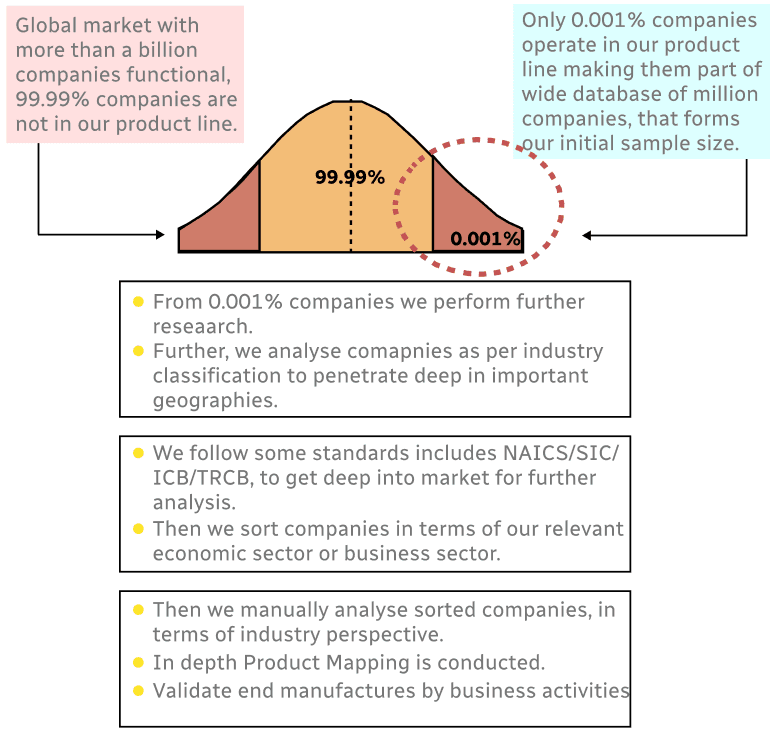
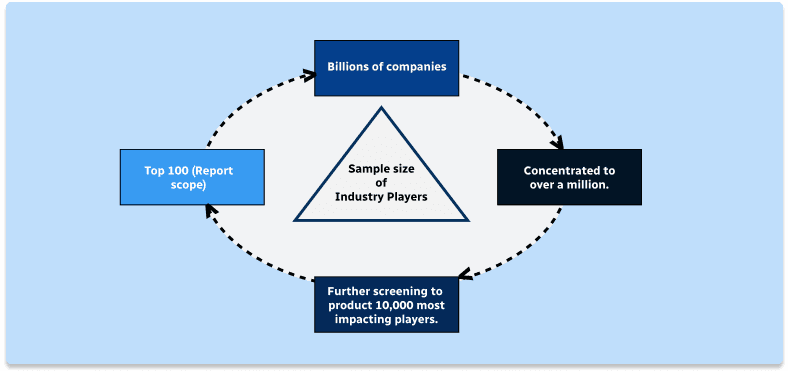
Step 1 - Identification of Relevant Samples Size from Population Database
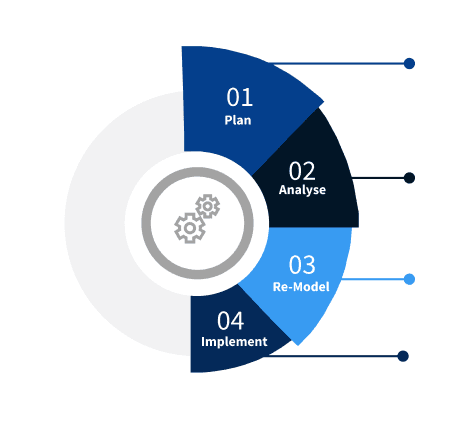
Step 2 - Approaches for Defining Global Market Size (Value, Volume* & Price*)
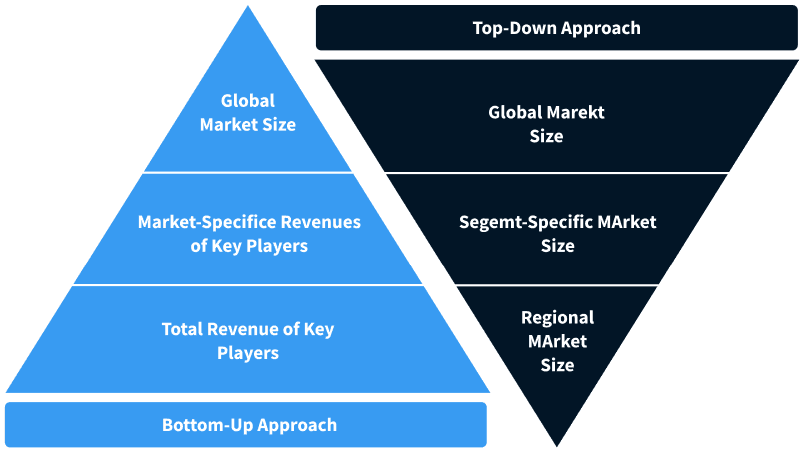
Note*: In applicable scenarios
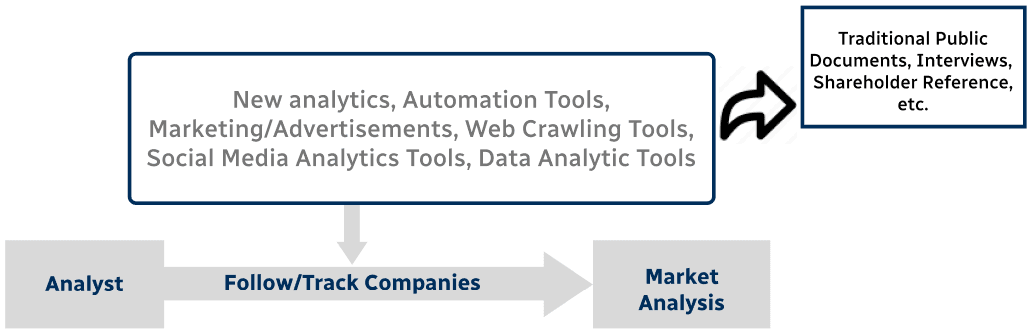
Step 3 - Data Sources
Primary Research
- Web Analytics
- Survey Reports
- Research Institute
- Latest Research Reports
- Opinion Leaders
Secondary Research
- Annual Reports
- White Paper
- Latest Press Release
- Industry Association
- Paid Database
- Investor Presentations
Step 4 - Data Triangulation
Involves using different sources of information in order to increase the validity of a study
These sources are likely to be stakeholders in a program - participants, other researchers, program staff, other community members, and so on.
Then we put all data in single framework & apply various statistical tools to find out the dynamic on the market.
During the analysis stage, feedback from the stakeholder groups would be compared to determine areas of agreement as well as areas of divergence