

Key Insights
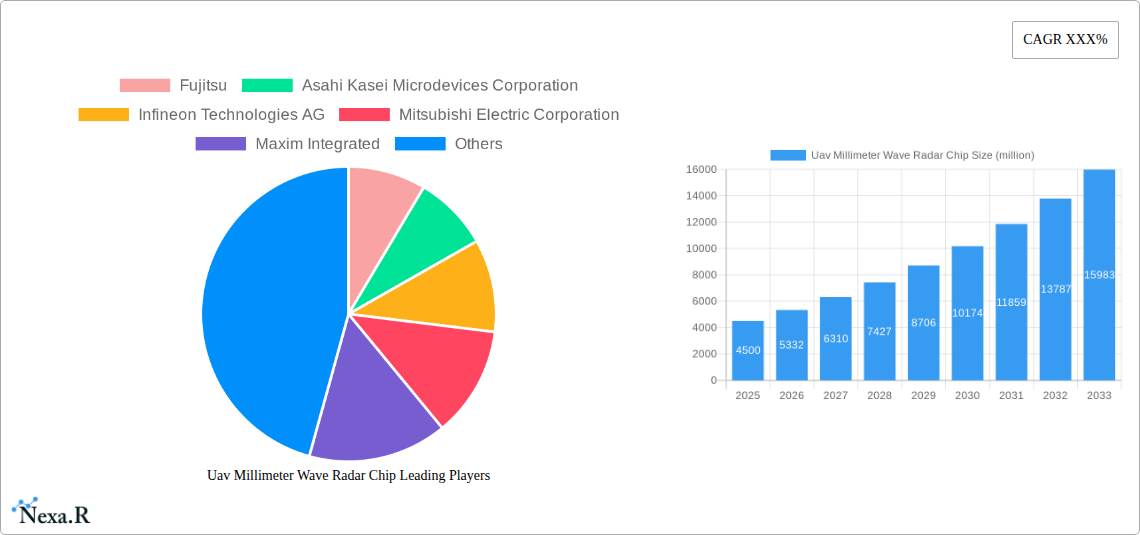
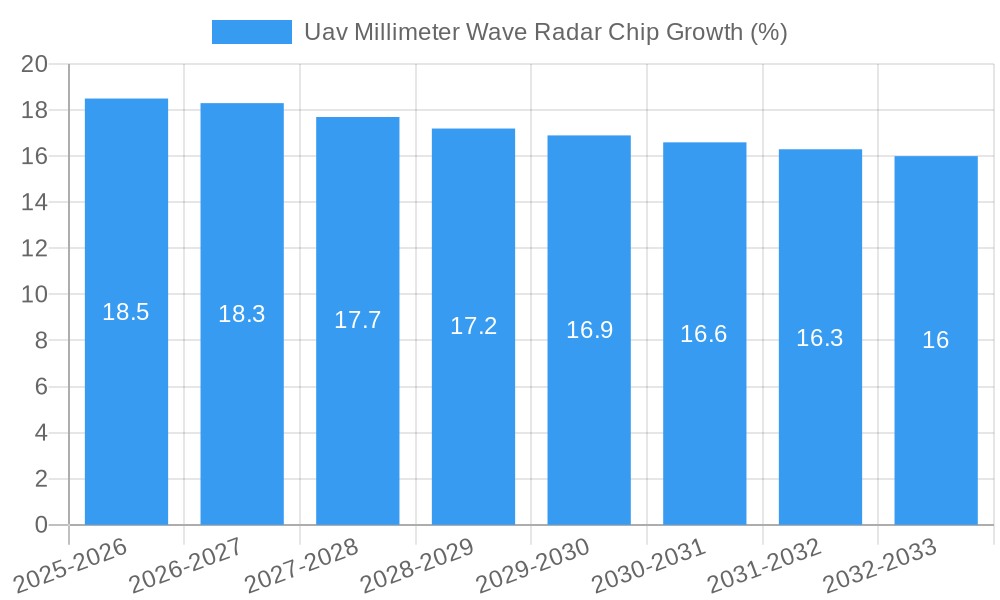
The UAV Millimeter Wave Radar Chip market is poised for significant expansion, projected to reach an estimated $4,500 million by 2025 and grow at a Compound Annual Growth Rate (CAGR) of 18.5% through 2033. This robust growth is primarily fueled by the escalating demand for advanced sensing capabilities in both civilian and military unmanned aerial vehicles. Civilian applications, including aerial surveying, infrastructure inspection, agricultural monitoring, and delivery services, are witnessing an unprecedented surge. Simultaneously, the defense sector's increasing reliance on UAVs for reconnaissance, surveillance, target acquisition, and electronic warfare further solidifies the market's upward trajectory. The inherent advantages of millimeter-wave radar, such as high resolution, precision, and the ability to operate effectively in adverse weather conditions and low-light environments, make it an indispensable technology for these evolving UAV platforms.
The market's dynamism is further shaped by key technological trends and evolving industry needs. The progression towards higher frequency bands, particularly the 77GHz and 79GHz segments, signifies a move towards enhanced performance, miniaturization, and improved data processing capabilities. Innovations in chip design, including the integration of artificial intelligence and machine learning algorithms for intelligent data interpretation, are also driving adoption. However, the market faces certain restraints, such as the high cost of advanced millimeter-wave radar chips and the complexities associated with their integration into existing UAV systems. Regulatory landscapes and the need for stringent safety certifications also present challenges. Despite these hurdles, the relentless pursuit of enhanced operational efficiency, safety, and mission effectiveness in UAVs, coupled with continuous innovation from key players like Infineon Technologies, NXP Semiconductors, and Texas Instruments, ensures a promising future for the UAV Millimeter Wave Radar Chip market.
This in-depth report provides a critical analysis of the UAV Millimeter Wave Radar Chip market, offering unparalleled insights into its dynamics, growth trajectory, and competitive landscape from 2019 to 2033. With a base year of 2025, the report delves into the historical evolution, current state, and future projections of this rapidly advancing sector. We dissect the intricate parent and child market structures, exploring the influence of underlying technologies and downstream applications on the millimeter wave radar chip ecosystem. Leveraging extensive data and expert analysis, this report is an indispensable resource for stakeholders seeking to understand market concentration, technological innovation drivers, regulatory frameworks, competitive product substitutes, end-user demographics, and M&A trends. It meticulously quantifies market share percentages and M&A deal volumes, while qualitatively assessing innovation barriers and market penetration.
UAV Millimeter Wave Radar Chip Market Dynamics & Structure
The UAV millimeter wave radar chip market is characterized by a moderate to high concentration, with key players actively investing in research and development to maintain a competitive edge. Technological innovation is a primary driver, fueled by the increasing demand for advanced sensing capabilities in drones for applications ranging from precision agriculture and infrastructure inspection to sophisticated defense and security operations. The development of higher frequency chips (77GHz and 79GHz) offering improved resolution and object detection is a significant trend. Regulatory frameworks are evolving, with a growing emphasis on safety and airspace management for autonomous systems, indirectly influencing the adoption and performance requirements of radar chips. Competitive product substitutes, such as LiDAR and advanced optical sensors, are present but millimeter wave radar chips offer distinct advantages in adverse weather conditions and for certain detection capabilities. End-user demographics are diversifying, encompassing commercial enterprises, government agencies, and defense organizations. Mergers and acquisitions (M&A) activity has been observed as companies seek to consolidate their offerings and expand their technological portfolios, with an estimated xx M&A deals in the historical period (2019-2024).
- Market Concentration: Moderate to High. Key players are investing heavily in R&D to gain market share.
- Technological Innovation Drivers: Demand for enhanced resolution, object detection, adverse weather performance, and miniaturization.
- Regulatory Frameworks: Evolving standards for UAV safety, autonomy, and data security influencing chip design and integration.
- Competitive Product Substitutes: LiDAR, advanced optical sensors, but millimeter wave radar excels in specific environmental conditions.
- End-User Demographics: Commercial (agriculture, logistics, inspection), Government (surveillance, public safety), Defense.
- M&A Trends: Increasing activity to acquire advanced technologies and expand product portfolios.
UAV Millimeter Wave Radar Chip Growth Trends & Insights
The UAV millimeter wave radar chip market is poised for substantial growth, driven by the burgeoning adoption of drones across a multitude of sectors. The market size is projected to witness a significant expansion from approximately $XXX million units in the base year of 2025 to $XXX million units by 2033, exhibiting a robust Compound Annual Growth Rate (CAGR) of xx% during the forecast period. This upward trajectory is underpinned by increasing investment in autonomous systems and the escalating demand for sophisticated sensing solutions that enable enhanced navigation, object avoidance, and data acquisition capabilities. Technological advancements, particularly in the development of higher frequency bands (77GHz and 79GHz), are enabling finer resolution and more precise detection, paving the way for advanced applications such as high-resolution mapping, detailed infrastructure inspection, and sophisticated surveillance. Consumer behavior is shifting towards embracing the operational efficiencies and cost-effectiveness offered by drones equipped with advanced radar technology, particularly within the civilian UAV segment. The penetration of millimeter wave radar chips in UAVs is expected to surge as the technology matures, becomes more cost-effective, and integrates seamlessly into drone platforms. This evolution is also influenced by a growing reliance on AI and machine learning for data processing, which these radar chips facilitate. The increasing complexity of drone operations, from swarming capabilities in military applications to autonomous delivery in logistics, necessitates the reliability and all-weather performance offered by millimeter wave radar. The market penetration for millimeter wave radar chips in the overall UAV sensing market is estimated to reach xx% by 2033.
Dominant Regions, Countries, or Segments in UAV Millimeter Wave Radar Chip
The Civilian UAV segment is identified as the dominant force driving growth in the UAV millimeter wave radar chip market. This dominance is fueled by widespread adoption across diverse industries such as agriculture for crop monitoring and spraying, logistics for automated delivery systems, infrastructure inspection for bridges, pipelines, and wind turbines, and public safety for search and rescue operations. The economic policies in many leading nations actively encourage the development and deployment of drones for commercial applications, further accelerating demand for enabling technologies like millimeter wave radar chips.
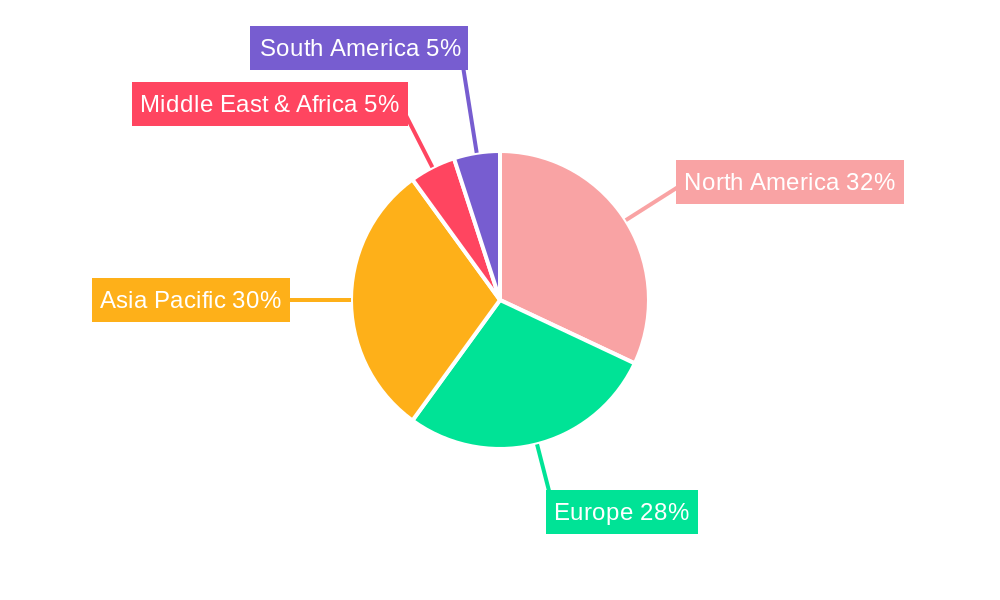
North America, particularly the United States, and Europe are the leading regions. In North America, significant government investment in defense and homeland security, coupled with a vibrant commercial drone ecosystem, propels the demand for advanced radar systems. The US has been at the forefront of integrating autonomous systems in various sectors, creating a substantial market for high-performance radar chips.
In Europe, a strong emphasis on industrial modernization and the adoption of smart technologies in sectors like manufacturing and utilities is driving the integration of UAVs and their associated sensing capabilities. Countries like Germany and the UK are investing heavily in drone research and development.
Within the technology segments, the 77GHz and 79GHz radar chip types are witnessing the most rapid growth. These higher frequency bands offer superior resolution, better target discrimination, and enhanced performance in detecting smaller objects and intricate details, crucial for advanced UAV applications. While 24GHz chips retain a significant market share due to their cost-effectiveness and established applications in simpler tasks, the demand for higher performance is increasingly tilting the scales towards 77GHz and 79GHz.
- Dominant Application Segment: Civilian UAV – driven by agriculture, logistics, inspection, and public safety.
- Leading Regional Markets: North America (USA) and Europe.
- Key Regional Drivers: Government investment, supportive economic policies, robust commercial drone ecosystems, industrial modernization.
- Dominant Technology Segments: 77GHz and 79GHz radar chips, owing to their superior resolution and performance.
- Market Share in Dominant Segment (Civilian UAV): Estimated at xx% of the total market in 2025.
- Growth Potential in Dominant Segments: High, with continued innovation and expanding application use cases.
UAV Millimeter Wave Radar Chip Product Landscape
The UAV millimeter wave radar chip product landscape is characterized by continuous innovation focused on miniaturization, increased integration, and enhanced performance metrics. Manufacturers are developing compact, low-power radar chips that are essential for weight-sensitive UAV platforms. Product innovations include the introduction of System-on-Chip (SoC) solutions that integrate radar processing capabilities, reducing the need for external components and simplifying system design. Performance metrics are seeing significant improvements, with advancements in range resolution, angular resolution, and Doppler sensitivity. Applications are diversifying beyond basic obstacle detection to include sophisticated functionalities such as terrain mapping, ground penetration for agricultural analysis, and advanced target tracking for surveillance. Unique selling propositions often revolve around power efficiency, ease of integration, and specialized algorithms for specific UAV use cases.
Key Drivers, Barriers & Challenges in UAV Millimeter Wave Radar Chip
Key Drivers: The primary forces propelling the UAV millimeter wave radar chip market are the accelerating adoption of drones in commercial and defense sectors, the relentless pursuit of enhanced autonomous capabilities, and the inherent advantages of millimeter wave technology in providing reliable sensing across various environmental conditions. Technological advancements in semiconductor fabrication and signal processing are further enabling the development of more sophisticated and cost-effective radar chips. Increasing investments in smart city initiatives and precision agriculture are also significant drivers.
Key Barriers & Challenges: Despite the growth, the market faces several challenges. High development costs for cutting-edge radar chip technology can be a barrier to entry for smaller players. Stringent regulatory hurdles related to drone operation and data security can slow down adoption rates. Supply chain disruptions and the availability of skilled labor for specialized semiconductor manufacturing can impact production volumes and timelines. Furthermore, intense competition from alternative sensing technologies and the need for robust cybersecurity measures for radar data are critical considerations. The cost of integration into existing UAV platforms can also be a significant challenge for widespread adoption.
Emerging Opportunities in UAV Millimeter Wave Radar Chip
Emerging opportunities in the UAV millimeter wave radar chip market lie in the untapped potential of specialized applications and evolving consumer preferences. The increasing demand for AI-powered autonomous systems presents a significant opportunity for radar chips capable of high-fidelity data collection for machine learning algorithms. Untapped markets include advanced urban air mobility (UAM) solutions, where precise navigation and collision avoidance are paramount. Innovative applications such as volumetric sensing for detailed environmental monitoring and sophisticated counter-drone systems represent further growth avenues. Evolving consumer preferences lean towards more integrated, intelligent, and cost-effective drone solutions, creating demand for highly optimized millimeter wave radar chips. The integration of radar with other sensor modalities (sensor fusion) for enhanced situational awareness is another key opportunity.
Growth Accelerators in the UAV Millimeter Wave Radar Chip Industry
Several catalysts are accelerating long-term growth in the UAV millimeter wave radar chip industry. Technological breakthroughs in material science and semiconductor design are enabling higher frequencies and increased integration, leading to smaller, more powerful, and energy-efficient chips. Strategic partnerships between chip manufacturers, UAV integrators, and software developers are fostering innovation and accelerating product development cycles. Market expansion strategies, including the penetration of millimeter wave radar into emerging economies and new application verticals like industrial inspection and environmental surveying, are crucial growth accelerators. The increasing focus on drone swarming technologies for complex missions in both civilian and military contexts will also drive demand for advanced radar solutions that facilitate coordinated flight and object tracking.
Key Players Shaping the UAV Millimeter Wave Radar Chip Market
- Fujitsu
- Asahi Kasei Microdevices Corporation
- Infineon Technologies AG
- Mitsubishi Electric Corporation
- Maxim Integrated
- NOVELIC
- United Monolithic Semiconductors
- NXP Semiconductors
- Texas Instruments
- MediaTek Inc
- AndarTechs
- Silicon Radar
- Infineon
- STMicroelectronics
Notable Milestones in UAV Millimeter Wave Radar Chip Sector
- 2019: Introduction of compact 77GHz radar chipsets with enhanced automotive-grade reliability, finding early adoption in high-end commercial UAVs.
- 2020: Fujitsu announces a breakthrough in miniaturizing millimeter wave radar chips, significantly reducing size and power consumption, paving the way for smaller drones.
- 2021: Infineon Technologies AG expands its AURIX™ microcontroller portfolio, offering integrated solutions for advanced UAV radar processing, boosting system-on-chip capabilities.
- 2022: NOVELIC introduces a new series of highly integrated millimeter wave radar front-end chips optimized for UAV applications, enhancing detection range and accuracy.
- 2022: Asahi Kasei Microdevices Corporation (AKM) unveils a new 79GHz radar chip with superior angular resolution, enabling more precise object recognition for advanced surveying and inspection drones.
- 2023: NXP Semiconductors collaborates with leading UAV manufacturers to integrate their advanced radar solutions, focusing on enhancing autonomy and safety features.
- 2023: Texas Instruments introduces new reference designs for UAV millimeter wave radar systems, accelerating the development and deployment of advanced sensing capabilities.
- 2024: Mitsubishi Electric Corporation showcases a novel millimeter wave radar module with improved anti-interference capabilities, crucial for complex operational environments.
- 2024: MediaTek Inc. enters the UAV radar chip market, leveraging its expertise in integrated circuits to offer cost-effective and high-performance solutions.
In-Depth UAV Millimeter Wave Radar Chip Market Outlook
- 2019: Introduction of compact 77GHz radar chipsets with enhanced automotive-grade reliability, finding early adoption in high-end commercial UAVs.
- 2020: Fujitsu announces a breakthrough in miniaturizing millimeter wave radar chips, significantly reducing size and power consumption, paving the way for smaller drones.
- 2021: Infineon Technologies AG expands its AURIX™ microcontroller portfolio, offering integrated solutions for advanced UAV radar processing, boosting system-on-chip capabilities.
- 2022: NOVELIC introduces a new series of highly integrated millimeter wave radar front-end chips optimized for UAV applications, enhancing detection range and accuracy.
- 2022: Asahi Kasei Microdevices Corporation (AKM) unveils a new 79GHz radar chip with superior angular resolution, enabling more precise object recognition for advanced surveying and inspection drones.
- 2023: NXP Semiconductors collaborates with leading UAV manufacturers to integrate their advanced radar solutions, focusing on enhancing autonomy and safety features.
- 2023: Texas Instruments introduces new reference designs for UAV millimeter wave radar systems, accelerating the development and deployment of advanced sensing capabilities.
- 2024: Mitsubishi Electric Corporation showcases a novel millimeter wave radar module with improved anti-interference capabilities, crucial for complex operational environments.
- 2024: MediaTek Inc. enters the UAV radar chip market, leveraging its expertise in integrated circuits to offer cost-effective and high-performance solutions.
In-Depth UAV Millimeter Wave Radar Chip Market Outlook
The future outlook for the UAV millimeter wave radar chip market is exceptionally bright, driven by a confluence of technological advancements and expanding application horizons. Growth accelerators such as the increasing integration of AI and machine learning for intelligent data processing, coupled with significant investments in autonomous systems across defense and commercial sectors, will continue to fuel demand. Strategic partnerships between key industry players are expected to drive further innovation and accelerate the commercialization of next-generation radar solutions. Market expansion into emerging economies and the development of specialized radar chips for advanced applications like urban air mobility and sophisticated industrial inspection are poised to unlock new revenue streams. The sustained drive for miniaturization, enhanced performance, and cost-effectiveness will ensure that millimeter wave radar chips remain a cornerstone technology in the evolution of autonomous drone capabilities.
Uav Millimeter Wave Radar Chip Segmentation
-
1. Application
- 1.1. Civilian UAV
- 1.2. Military UAV
-
2. Type
- 2.1. 24GHz
- 2.2. 77GHz
- 2.3. 79GHz
Uav Millimeter Wave Radar Chip Segmentation By Geography
-
1. North America
- 1.1. United States
- 1.2. Canada
- 1.3. Mexico
-
2. South America
- 2.1. Brazil
- 2.2. Argentina
- 2.3. Rest of South America
-
3. Europe
- 3.1. United Kingdom
- 3.2. Germany
- 3.3. France
- 3.4. Italy
- 3.5. Spain
- 3.6. Russia
- 3.7. Benelux
- 3.8. Nordics
- 3.9. Rest of Europe
-
4. Middle East & Africa
- 4.1. Turkey
- 4.2. Israel
- 4.3. GCC
- 4.4. North Africa
- 4.5. South Africa
- 4.6. Rest of Middle East & Africa
-
5. Asia Pacific
- 5.1. China
- 5.2. India
- 5.3. Japan
- 5.4. South Korea
- 5.5. ASEAN
- 5.6. Oceania
- 5.7. Rest of Asia Pacific
Uav Millimeter Wave Radar Chip REPORT HIGHLIGHTS
| Aspects | Details |
|---|---|
| Study Period | 2019-2033 |
| Base Year | 2024 |
| Estimated Year | 2025 |
| Forecast Period | 2025-2033 |
| Historical Period | 2019-2024 |
| Growth Rate | CAGR of XXX% from 2019-2033 |
| Segmentation |
|
Table of Contents
- 1. Introduction
- 1.1. Research Scope
- 1.2. Market Segmentation
- 1.3. Research Methodology
- 1.4. Definitions and Assumptions
- 2. Executive Summary
- 2.1. Introduction
- 3. Market Dynamics
- 3.1. Introduction
- 3.2. Market Drivers
- 3.3. Market Restrains
- 3.4. Market Trends
- 4. Market Factor Analysis
- 4.1. Porters Five Forces
- 4.2. Supply/Value Chain
- 4.3. PESTEL analysis
- 4.4. Market Entropy
- 4.5. Patent/Trademark Analysis
- 5. Global Uav Millimeter Wave Radar Chip Analysis, Insights and Forecast, 2019-2031
- 5.1. Market Analysis, Insights and Forecast - by Application
- 5.1.1. Civilian UAV
- 5.1.2. Military UAV
- 5.2. Market Analysis, Insights and Forecast - by Type
- 5.2.1. 24GHz
- 5.2.2. 77GHz
- 5.2.3. 79GHz
- 5.3. Market Analysis, Insights and Forecast - by Region
- 5.3.1. North America
- 5.3.2. South America
- 5.3.3. Europe
- 5.3.4. Middle East & Africa
- 5.3.5. Asia Pacific
- 5.1. Market Analysis, Insights and Forecast - by Application
- 6. North America Uav Millimeter Wave Radar Chip Analysis, Insights and Forecast, 2019-2031
- 6.1. Market Analysis, Insights and Forecast - by Application
- 6.1.1. Civilian UAV
- 6.1.2. Military UAV
- 6.2. Market Analysis, Insights and Forecast - by Type
- 6.2.1. 24GHz
- 6.2.2. 77GHz
- 6.2.3. 79GHz
- 6.1. Market Analysis, Insights and Forecast - by Application
- 7. South America Uav Millimeter Wave Radar Chip Analysis, Insights and Forecast, 2019-2031
- 7.1. Market Analysis, Insights and Forecast - by Application
- 7.1.1. Civilian UAV
- 7.1.2. Military UAV
- 7.2. Market Analysis, Insights and Forecast - by Type
- 7.2.1. 24GHz
- 7.2.2. 77GHz
- 7.2.3. 79GHz
- 7.1. Market Analysis, Insights and Forecast - by Application
- 8. Europe Uav Millimeter Wave Radar Chip Analysis, Insights and Forecast, 2019-2031
- 8.1. Market Analysis, Insights and Forecast - by Application
- 8.1.1. Civilian UAV
- 8.1.2. Military UAV
- 8.2. Market Analysis, Insights and Forecast - by Type
- 8.2.1. 24GHz
- 8.2.2. 77GHz
- 8.2.3. 79GHz
- 8.1. Market Analysis, Insights and Forecast - by Application
- 9. Middle East & Africa Uav Millimeter Wave Radar Chip Analysis, Insights and Forecast, 2019-2031
- 9.1. Market Analysis, Insights and Forecast - by Application
- 9.1.1. Civilian UAV
- 9.1.2. Military UAV
- 9.2. Market Analysis, Insights and Forecast - by Type
- 9.2.1. 24GHz
- 9.2.2. 77GHz
- 9.2.3. 79GHz
- 9.1. Market Analysis, Insights and Forecast - by Application
- 10. Asia Pacific Uav Millimeter Wave Radar Chip Analysis, Insights and Forecast, 2019-2031
- 10.1. Market Analysis, Insights and Forecast - by Application
- 10.1.1. Civilian UAV
- 10.1.2. Military UAV
- 10.2. Market Analysis, Insights and Forecast - by Type
- 10.2.1. 24GHz
- 10.2.2. 77GHz
- 10.2.3. 79GHz
- 10.1. Market Analysis, Insights and Forecast - by Application
- 11. Competitive Analysis
- 11.1. Global Market Share Analysis 2024
- 11.2. Company Profiles
- 11.2.1 Fujitsu
- 11.2.1.1. Overview
- 11.2.1.2. Products
- 11.2.1.3. SWOT Analysis
- 11.2.1.4. Recent Developments
- 11.2.1.5. Financials (Based on Availability)
- 11.2.2 Asahi Kasei Microdevices Corporation
- 11.2.2.1. Overview
- 11.2.2.2. Products
- 11.2.2.3. SWOT Analysis
- 11.2.2.4. Recent Developments
- 11.2.2.5. Financials (Based on Availability)
- 11.2.3 Infineon Technologies AG
- 11.2.3.1. Overview
- 11.2.3.2. Products
- 11.2.3.3. SWOT Analysis
- 11.2.3.4. Recent Developments
- 11.2.3.5. Financials (Based on Availability)
- 11.2.4 Mitsubishi Electric Corporation
- 11.2.4.1. Overview
- 11.2.4.2. Products
- 11.2.4.3. SWOT Analysis
- 11.2.4.4. Recent Developments
- 11.2.4.5. Financials (Based on Availability)
- 11.2.5 Maxim Integrated
- 11.2.5.1. Overview
- 11.2.5.2. Products
- 11.2.5.3. SWOT Analysis
- 11.2.5.4. Recent Developments
- 11.2.5.5. Financials (Based on Availability)
- 11.2.6 NOVELIC
- 11.2.6.1. Overview
- 11.2.6.2. Products
- 11.2.6.3. SWOT Analysis
- 11.2.6.4. Recent Developments
- 11.2.6.5. Financials (Based on Availability)
- 11.2.7 United Monolithic Semiconductors
- 11.2.7.1. Overview
- 11.2.7.2. Products
- 11.2.7.3. SWOT Analysis
- 11.2.7.4. Recent Developments
- 11.2.7.5. Financials (Based on Availability)
- 11.2.8 NXP Semiconductors
- 11.2.8.1. Overview
- 11.2.8.2. Products
- 11.2.8.3. SWOT Analysis
- 11.2.8.4. Recent Developments
- 11.2.8.5. Financials (Based on Availability)
- 11.2.9 Texas Instruments
- 11.2.9.1. Overview
- 11.2.9.2. Products
- 11.2.9.3. SWOT Analysis
- 11.2.9.4. Recent Developments
- 11.2.9.5. Financials (Based on Availability)
- 11.2.10 MediaTek Inc
- 11.2.10.1. Overview
- 11.2.10.2. Products
- 11.2.10.3. SWOT Analysis
- 11.2.10.4. Recent Developments
- 11.2.10.5. Financials (Based on Availability)
- 11.2.11 AndarTechs
- 11.2.11.1. Overview
- 11.2.11.2. Products
- 11.2.11.3. SWOT Analysis
- 11.2.11.4. Recent Developments
- 11.2.11.5. Financials (Based on Availability)
- 11.2.12 Silicon Radar
- 11.2.12.1. Overview
- 11.2.12.2. Products
- 11.2.12.3. SWOT Analysis
- 11.2.12.4. Recent Developments
- 11.2.12.5. Financials (Based on Availability)
- 11.2.13 Infineon
- 11.2.13.1. Overview
- 11.2.13.2. Products
- 11.2.13.3. SWOT Analysis
- 11.2.13.4. Recent Developments
- 11.2.13.5. Financials (Based on Availability)
- 11.2.1 Fujitsu
List of Figures
- Figure 1: Global Uav Millimeter Wave Radar Chip Revenue Breakdown (million, %) by Region 2024 & 2032
- Figure 2: North America Uav Millimeter Wave Radar Chip Revenue (million), by Application 2024 & 2032
- Figure 3: North America Uav Millimeter Wave Radar Chip Revenue Share (%), by Application 2024 & 2032
- Figure 4: North America Uav Millimeter Wave Radar Chip Revenue (million), by Type 2024 & 2032
- Figure 5: North America Uav Millimeter Wave Radar Chip Revenue Share (%), by Type 2024 & 2032
- Figure 6: North America Uav Millimeter Wave Radar Chip Revenue (million), by Country 2024 & 2032
- Figure 7: North America Uav Millimeter Wave Radar Chip Revenue Share (%), by Country 2024 & 2032
- Figure 8: South America Uav Millimeter Wave Radar Chip Revenue (million), by Application 2024 & 2032
- Figure 9: South America Uav Millimeter Wave Radar Chip Revenue Share (%), by Application 2024 & 2032
- Figure 10: South America Uav Millimeter Wave Radar Chip Revenue (million), by Type 2024 & 2032
- Figure 11: South America Uav Millimeter Wave Radar Chip Revenue Share (%), by Type 2024 & 2032
- Figure 12: South America Uav Millimeter Wave Radar Chip Revenue (million), by Country 2024 & 2032
- Figure 13: South America Uav Millimeter Wave Radar Chip Revenue Share (%), by Country 2024 & 2032
- Figure 14: Europe Uav Millimeter Wave Radar Chip Revenue (million), by Application 2024 & 2032
- Figure 15: Europe Uav Millimeter Wave Radar Chip Revenue Share (%), by Application 2024 & 2032
- Figure 16: Europe Uav Millimeter Wave Radar Chip Revenue (million), by Type 2024 & 2032
- Figure 17: Europe Uav Millimeter Wave Radar Chip Revenue Share (%), by Type 2024 & 2032
- Figure 18: Europe Uav Millimeter Wave Radar Chip Revenue (million), by Country 2024 & 2032
- Figure 19: Europe Uav Millimeter Wave Radar Chip Revenue Share (%), by Country 2024 & 2032
- Figure 20: Middle East & Africa Uav Millimeter Wave Radar Chip Revenue (million), by Application 2024 & 2032
- Figure 21: Middle East & Africa Uav Millimeter Wave Radar Chip Revenue Share (%), by Application 2024 & 2032
- Figure 22: Middle East & Africa Uav Millimeter Wave Radar Chip Revenue (million), by Type 2024 & 2032
- Figure 23: Middle East & Africa Uav Millimeter Wave Radar Chip Revenue Share (%), by Type 2024 & 2032
- Figure 24: Middle East & Africa Uav Millimeter Wave Radar Chip Revenue (million), by Country 2024 & 2032
- Figure 25: Middle East & Africa Uav Millimeter Wave Radar Chip Revenue Share (%), by Country 2024 & 2032
- Figure 26: Asia Pacific Uav Millimeter Wave Radar Chip Revenue (million), by Application 2024 & 2032
- Figure 27: Asia Pacific Uav Millimeter Wave Radar Chip Revenue Share (%), by Application 2024 & 2032
- Figure 28: Asia Pacific Uav Millimeter Wave Radar Chip Revenue (million), by Type 2024 & 2032
- Figure 29: Asia Pacific Uav Millimeter Wave Radar Chip Revenue Share (%), by Type 2024 & 2032
- Figure 30: Asia Pacific Uav Millimeter Wave Radar Chip Revenue (million), by Country 2024 & 2032
- Figure 31: Asia Pacific Uav Millimeter Wave Radar Chip Revenue Share (%), by Country 2024 & 2032
List of Tables
- Table 1: Global Uav Millimeter Wave Radar Chip Revenue million Forecast, by Region 2019 & 2032
- Table 2: Global Uav Millimeter Wave Radar Chip Revenue million Forecast, by Application 2019 & 2032
- Table 3: Global Uav Millimeter Wave Radar Chip Revenue million Forecast, by Type 2019 & 2032
- Table 4: Global Uav Millimeter Wave Radar Chip Revenue million Forecast, by Region 2019 & 2032
- Table 5: Global Uav Millimeter Wave Radar Chip Revenue million Forecast, by Application 2019 & 2032
- Table 6: Global Uav Millimeter Wave Radar Chip Revenue million Forecast, by Type 2019 & 2032
- Table 7: Global Uav Millimeter Wave Radar Chip Revenue million Forecast, by Country 2019 & 2032
- Table 8: United States Uav Millimeter Wave Radar Chip Revenue (million) Forecast, by Application 2019 & 2032
- Table 9: Canada Uav Millimeter Wave Radar Chip Revenue (million) Forecast, by Application 2019 & 2032
- Table 10: Mexico Uav Millimeter Wave Radar Chip Revenue (million) Forecast, by Application 2019 & 2032
- Table 11: Global Uav Millimeter Wave Radar Chip Revenue million Forecast, by Application 2019 & 2032
- Table 12: Global Uav Millimeter Wave Radar Chip Revenue million Forecast, by Type 2019 & 2032
- Table 13: Global Uav Millimeter Wave Radar Chip Revenue million Forecast, by Country 2019 & 2032
- Table 14: Brazil Uav Millimeter Wave Radar Chip Revenue (million) Forecast, by Application 2019 & 2032
- Table 15: Argentina Uav Millimeter Wave Radar Chip Revenue (million) Forecast, by Application 2019 & 2032
- Table 16: Rest of South America Uav Millimeter Wave Radar Chip Revenue (million) Forecast, by Application 2019 & 2032
- Table 17: Global Uav Millimeter Wave Radar Chip Revenue million Forecast, by Application 2019 & 2032
- Table 18: Global Uav Millimeter Wave Radar Chip Revenue million Forecast, by Type 2019 & 2032
- Table 19: Global Uav Millimeter Wave Radar Chip Revenue million Forecast, by Country 2019 & 2032
- Table 20: United Kingdom Uav Millimeter Wave Radar Chip Revenue (million) Forecast, by Application 2019 & 2032
- Table 21: Germany Uav Millimeter Wave Radar Chip Revenue (million) Forecast, by Application 2019 & 2032
- Table 22: France Uav Millimeter Wave Radar Chip Revenue (million) Forecast, by Application 2019 & 2032
- Table 23: Italy Uav Millimeter Wave Radar Chip Revenue (million) Forecast, by Application 2019 & 2032
- Table 24: Spain Uav Millimeter Wave Radar Chip Revenue (million) Forecast, by Application 2019 & 2032
- Table 25: Russia Uav Millimeter Wave Radar Chip Revenue (million) Forecast, by Application 2019 & 2032
- Table 26: Benelux Uav Millimeter Wave Radar Chip Revenue (million) Forecast, by Application 2019 & 2032
- Table 27: Nordics Uav Millimeter Wave Radar Chip Revenue (million) Forecast, by Application 2019 & 2032
- Table 28: Rest of Europe Uav Millimeter Wave Radar Chip Revenue (million) Forecast, by Application 2019 & 2032
- Table 29: Global Uav Millimeter Wave Radar Chip Revenue million Forecast, by Application 2019 & 2032
- Table 30: Global Uav Millimeter Wave Radar Chip Revenue million Forecast, by Type 2019 & 2032
- Table 31: Global Uav Millimeter Wave Radar Chip Revenue million Forecast, by Country 2019 & 2032
- Table 32: Turkey Uav Millimeter Wave Radar Chip Revenue (million) Forecast, by Application 2019 & 2032
- Table 33: Israel Uav Millimeter Wave Radar Chip Revenue (million) Forecast, by Application 2019 & 2032
- Table 34: GCC Uav Millimeter Wave Radar Chip Revenue (million) Forecast, by Application 2019 & 2032
- Table 35: North Africa Uav Millimeter Wave Radar Chip Revenue (million) Forecast, by Application 2019 & 2032
- Table 36: South Africa Uav Millimeter Wave Radar Chip Revenue (million) Forecast, by Application 2019 & 2032
- Table 37: Rest of Middle East & Africa Uav Millimeter Wave Radar Chip Revenue (million) Forecast, by Application 2019 & 2032
- Table 38: Global Uav Millimeter Wave Radar Chip Revenue million Forecast, by Application 2019 & 2032
- Table 39: Global Uav Millimeter Wave Radar Chip Revenue million Forecast, by Type 2019 & 2032
- Table 40: Global Uav Millimeter Wave Radar Chip Revenue million Forecast, by Country 2019 & 2032
- Table 41: China Uav Millimeter Wave Radar Chip Revenue (million) Forecast, by Application 2019 & 2032
- Table 42: India Uav Millimeter Wave Radar Chip Revenue (million) Forecast, by Application 2019 & 2032
- Table 43: Japan Uav Millimeter Wave Radar Chip Revenue (million) Forecast, by Application 2019 & 2032
- Table 44: South Korea Uav Millimeter Wave Radar Chip Revenue (million) Forecast, by Application 2019 & 2032
- Table 45: ASEAN Uav Millimeter Wave Radar Chip Revenue (million) Forecast, by Application 2019 & 2032
- Table 46: Oceania Uav Millimeter Wave Radar Chip Revenue (million) Forecast, by Application 2019 & 2032
- Table 47: Rest of Asia Pacific Uav Millimeter Wave Radar Chip Revenue (million) Forecast, by Application 2019 & 2032
Frequently Asked Questions
1. What is the projected Compound Annual Growth Rate (CAGR) of the Uav Millimeter Wave Radar Chip?
The projected CAGR is approximately XXX%.
2. Which companies are prominent players in the Uav Millimeter Wave Radar Chip?
Key companies in the market include Fujitsu, Asahi Kasei Microdevices Corporation, Infineon Technologies AG, Mitsubishi Electric Corporation, Maxim Integrated, NOVELIC, United Monolithic Semiconductors, NXP Semiconductors, Texas Instruments, MediaTek Inc, AndarTechs, Silicon Radar, Infineon.
3. What are the main segments of the Uav Millimeter Wave Radar Chip?
The market segments include Application, Type.
4. Can you provide details about the market size?
The market size is estimated to be USD XXX million as of 2022.
5. What are some drivers contributing to market growth?
N/A
6. What are the notable trends driving market growth?
N/A
7. Are there any restraints impacting market growth?
N/A
8. Can you provide examples of recent developments in the market?
N/A
9. What pricing options are available for accessing the report?
Pricing options include single-user, multi-user, and enterprise licenses priced at USD 4250.00, USD 6375.00, and USD 8500.00 respectively.
10. Is the market size provided in terms of value or volume?
The market size is provided in terms of value, measured in million.
11. Are there any specific market keywords associated with the report?
Yes, the market keyword associated with the report is "Uav Millimeter Wave Radar Chip," which aids in identifying and referencing the specific market segment covered.
12. How do I determine which pricing option suits my needs best?
The pricing options vary based on user requirements and access needs. Individual users may opt for single-user licenses, while businesses requiring broader access may choose multi-user or enterprise licenses for cost-effective access to the report.
13. Are there any additional resources or data provided in the Uav Millimeter Wave Radar Chip report?
While the report offers comprehensive insights, it's advisable to review the specific contents or supplementary materials provided to ascertain if additional resources or data are available.
14. How can I stay updated on further developments or reports in the Uav Millimeter Wave Radar Chip?
To stay informed about further developments, trends, and reports in the Uav Millimeter Wave Radar Chip, consider subscribing to industry newsletters, following relevant companies and organizations, or regularly checking reputable industry news sources and publications.
Methodology
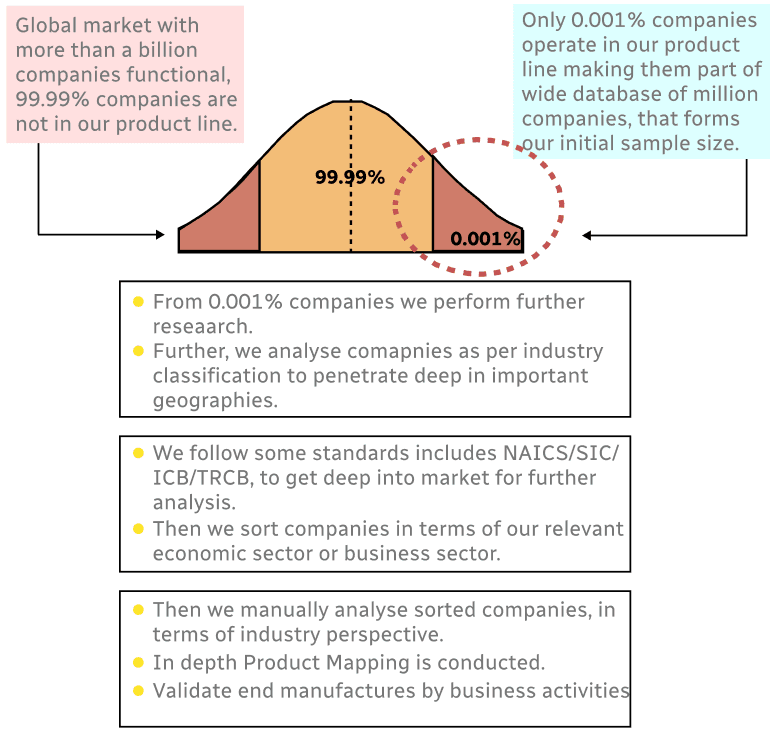
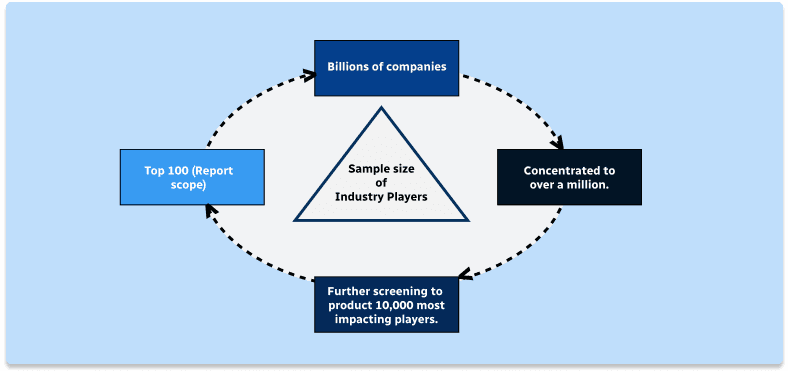
Step 1 - Identification of Relevant Samples Size from Population Database
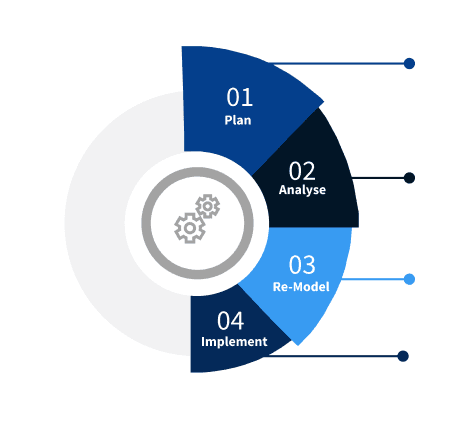
Step 2 - Approaches for Defining Global Market Size (Value, Volume* & Price*)
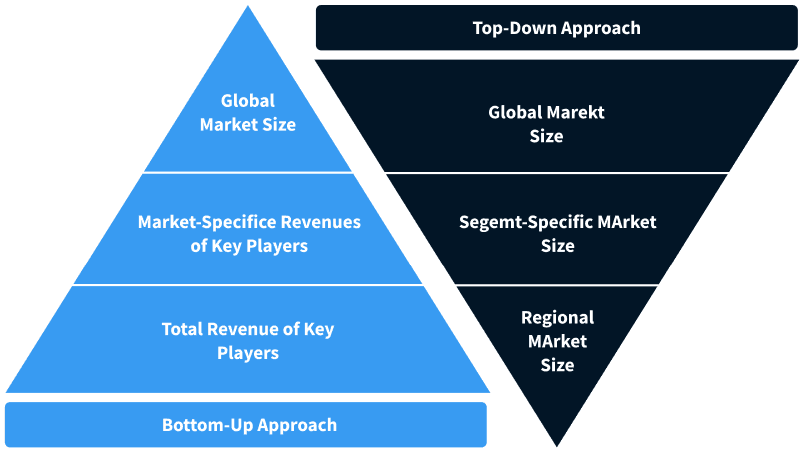
Note*: In applicable scenarios
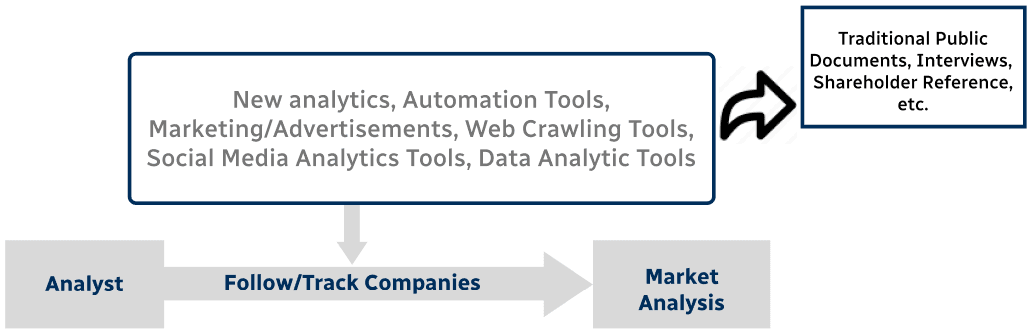
Step 3 - Data Sources
Primary Research
- Web Analytics
- Survey Reports
- Research Institute
- Latest Research Reports
- Opinion Leaders
Secondary Research
- Annual Reports
- White Paper
- Latest Press Release
- Industry Association
- Paid Database
- Investor Presentations
Step 4 - Data Triangulation
Involves using different sources of information in order to increase the validity of a study
These sources are likely to be stakeholders in a program - participants, other researchers, program staff, other community members, and so on.
Then we put all data in single framework & apply various statistical tools to find out the dynamic on the market.
During the analysis stage, feedback from the stakeholder groups would be compared to determine areas of agreement as well as areas of divergence