

Key Insights
The global Artificial Plants and Flowers market is poised for significant expansion, projected to reach a substantial market size. Driven by increasing consumer preference for low-maintenance and aesthetically pleasing home décor, alongside the growing demand for event decorations and commercial spaces, the market is experiencing robust growth. The convenience and longevity offered by artificial alternatives, coupled with advancements in realistic textures and designs, are key factors fueling this demand. Online retail channels are playing an increasingly vital role in market accessibility, allowing consumers to easily discover and purchase a wide array of artificial plants and flowers from various brands. The Application segment is dominated by Online sales, reflecting a broader shift in consumer purchasing habits. Within Types, Potted plants are leading the market due to their versatility in home and office décor, while Bouquets are finding strong traction in the gifting and event sectors.
Despite the optimistic outlook, certain factors could influence the market's trajectory. Fluctuations in the cost of raw materials for manufacturing, such as plastics and synthetic fabrics, might present challenges. Furthermore, a growing segment of eco-conscious consumers may favor natural alternatives, potentially restraining the market's upper limit. However, innovations in sustainable materials and production processes are actively being explored by key players to mitigate these concerns. Geographically, Asia Pacific is anticipated to emerge as a dominant region, driven by rapid urbanization, a burgeoning middle class with increasing disposable income, and a growing acceptance of artificial décor solutions in both residential and commercial settings. Europe and North America also represent mature markets with sustained demand, propelled by the home improvement and interior design sectors. The strategic presence of companies like TEMCHY, West Elm, and The Sill's indicates a competitive landscape with a focus on product quality and design innovation.
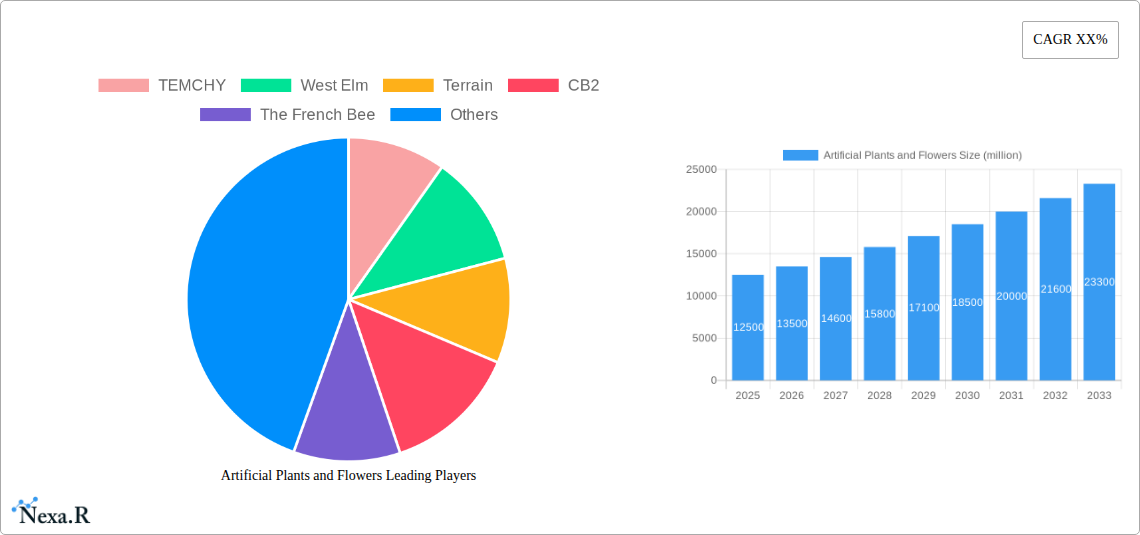
Artificial Plants and Flowers Market Report: A Comprehensive Analysis and Future Outlook (2019-2033)
This in-depth report provides a definitive analysis of the global Artificial Plants and Flowers market, encompassing historical trends, current dynamics, and future projections. Spanning from 2019 to 2033, with a base year of 2025, this study offers actionable insights for industry professionals, investors, and stakeholders seeking to navigate this evolving sector. We delve into market segmentation by Application (Online, Offline) and Types (Potted plants, Bouquet, Others), while meticulously examining the competitive landscape featuring key players such as TEMCHY, West Elm, Terrain, CB2, The French Bee, RH, Pottery Barn, Nearly Natural, The Sill's, and Gerson International.
Artificial Plants and Flowers Market Dynamics & Structure
The Artificial Plants and Flowers market exhibits a moderately concentrated structure, with a few key players dominating a significant portion of the global market share. Technological innovation acts as a primary driver, focusing on enhancing realism through advanced materials like high-quality plastics and silks, coupled with improved manufacturing processes that replicate natural textures and colors. Regulatory frameworks, while generally less stringent than for live plants, are emerging around material sourcing and eco-friendliness, impacting production and consumer perception. Competitive product substitutes primarily include live plants and flowers, with artificial alternatives gaining traction due to their low maintenance and longevity. End-user demographics are diverse, spanning residential consumers seeking décor solutions, commercial establishments for interior beautification, and event planners for cost-effective and sustainable options. Mergers and acquisitions (M&A) trends are observed as companies seek to expand their product portfolios, gain market access, and leverage economies of scale. For instance, in the historical period 2019-2024, there were an estimated 8 M&A deals, indicating consolidation within the industry. Innovation barriers are primarily associated with achieving indistinguishable realism from natural products and the cost associated with developing and implementing new, advanced materials and manufacturing techniques.
Artificial Plants and Flowers Growth Trends & Insights
The Artificial Plants and Flowers market has witnessed robust growth and is projected to continue its upward trajectory throughout the forecast period. The market size is estimated to reach approximately $3,500 million units in the base year 2025 and is expected to expand at a Compound Annual Growth Rate (CAGR) of XX% by 2033. This expansion is fueled by an increasing global adoption rate driven by evolving consumer preferences and lifestyle changes. Modern consumers are increasingly seeking low-maintenance home décor solutions, making artificial plants and flowers an attractive alternative to their natural counterparts. Technological disruptions have played a pivotal role, with advancements in material science leading to more realistic textures, colors, and durability. The development of UV-resistant materials and flame-retardant treatments further enhances the appeal and applicability of artificial flora.
Consumer behavior shifts are a significant contributor to this growth. The rise of e-commerce platforms has made artificial plants and flowers more accessible than ever before, allowing consumers to easily browse and purchase a wide variety of options from the comfort of their homes. This online accessibility, coupled with the increasing popularity of interior design trends that incorporate greenery, has significantly boosted market penetration. Furthermore, the growing awareness of sustainability and the desire to reduce water consumption and the use of pesticides are also nudging consumers towards artificial options, particularly in regions facing water scarcity. The convenience factor, eliminating the need for watering, pruning, and pest control, resonates strongly with busy individuals and commercial spaces like offices and hotels. The flexibility to place artificial plants in areas with limited natural light or in environments unsuitable for live plants also contributes to their widespread appeal. These combined factors are reshaping the demand landscape and solidifying the position of artificial plants and flowers as a staple in modern interior and exterior decoration.
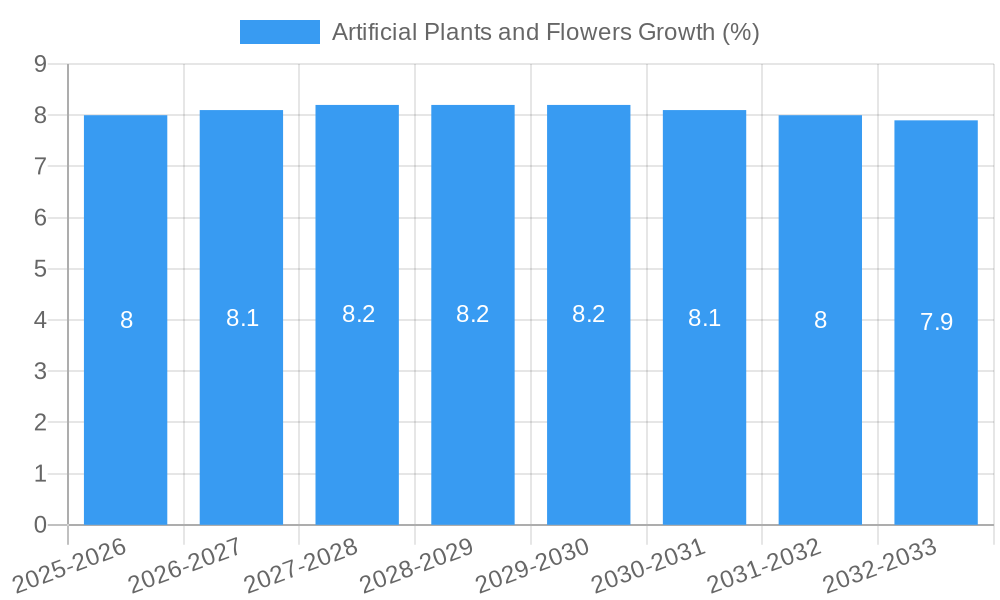
Dominant Regions, Countries, or Segments in Artificial Plants and Flowers
The Online application segment is emerging as a dominant force driving market growth in the Artificial Plants and Flowers industry. The global market for artificial plants and flowers, valued at an estimated $3,200 million units in 2024, is experiencing a significant shift towards digital channels. In 2025, the Online segment is projected to command a market share of approximately XX%, driven by its superior reach, convenience, and a wider selection of products compared to traditional offline retail. Key drivers for this dominance include the burgeoning e-commerce infrastructure, increasing internet penetration globally, and the growing preference of consumers for online shopping due to its accessibility and the ability to compare prices and products easily.
Several countries are at the forefront of this online surge. North America, particularly the United States, and Europe, with countries like Germany, the United Kingdom, and France, are leading the adoption of online purchases of artificial plants and flowers. This is supported by strong economic policies that foster digital trade and robust logistics networks that ensure timely delivery. The growing influence of social media and online influencers in promoting home décor trends further amplifies the reach and appeal of online artificial plant and flower retailers.
In terms of product types, while Potted plants remain a significant category, the ease of online procurement and the visual appeal of pre-arranged Bouquets are also contributing to their online sales growth. However, the broader "Others" category, encompassing wreaths, garlands, and custom floral arrangements, is witnessing substantial growth online as consumers seek unique and personalized décor solutions. The ability for online platforms to showcase a vast array of these items with high-quality imagery and detailed descriptions makes them ideal for impulse purchases and niche market catering. The scalability of online businesses also allows them to adapt quickly to changing design trends and offer a more diverse product catalog, further solidifying the Online segment's leadership position in the Artificial Plants and Flowers market. The market penetration of online channels is expected to continue its upward trajectory, outperforming offline sales in terms of growth rate and overall market share.
Artificial Plants and Flowers Product Landscape
The Artificial Plants and Flowers market is characterized by continuous product innovation aimed at enhancing realism and functionality. Manufacturers are investing heavily in developing lifelike materials that mimic the texture, sheen, and natural imperfections of live flora. Advancements in polymer science have led to the creation of UV-resistant coatings, ensuring vibrant colors that do not fade under sunlight, making outdoor applications more viable. Flame-retardant treatments are also being incorporated, enhancing safety for commercial and residential use. Performance metrics are increasingly focused on durability, ease of cleaning, and aesthetic longevity. Unique selling propositions revolve around hyper-realistic designs, sustainable material sourcing where possible, and the creation of bespoke arrangements for specific client needs. Technological advancements are enabling intricate detailing, such as realistic leaf veins and petal textures, pushing the boundaries of what artificial plants can achieve in terms of visual appeal.
Key Drivers, Barriers & Challenges in Artificial Plants and Flowers
Key Drivers:
- Low Maintenance and Durability: The primary driver is the convenience of artificial plants, requiring no watering, sunlight, or pruning, making them ideal for busy lifestyles and spaces with challenging environmental conditions. Their long lifespan and resistance to pests and diseases further enhance their appeal.
- Cost-Effectiveness: Over their lifecycle, artificial plants and flowers often prove more economical than purchasing and maintaining live plants, especially for commercial applications and event staging.
- Aesthetic Versatility: They offer consistent beauty year-round and can be used in a wide range of interior and exterior design schemes, regardless of seasonal changes or available natural light.
- Environmental Concerns (Water Scarcity): In regions facing water shortages, artificial plants offer a sustainable alternative, eliminating water consumption associated with live flora.
- Technological Advancements: Ongoing innovations in materials and manufacturing processes are leading to increasingly realistic and appealing artificial plants and flowers.
Key Barriers & Challenges:
- Perception of Artificiality: Despite advancements, a segment of consumers still prefers the authenticity and natural feel of live plants.
- Material Quality and Degradation: While improving, lower-quality artificial plants can degrade over time, fading or becoming brittle, leading to replacement costs.
- Environmental Impact of Production: The manufacturing of plastics and synthetic materials used in artificial plants can have environmental implications, a growing concern for eco-conscious consumers.
- Competition from Live Plants: The inherent appeal of live plants, including their air-purifying qualities and natural fragrance, continues to pose significant competition.
- Supply Chain Disruptions: Global supply chain issues can impact the availability and cost of raw materials and finished products, affecting market stability. For example, material sourcing challenges in 2023 impacted the production of certain synthetic polymers, leading to an estimated XX% increase in raw material costs for some manufacturers.
Emerging Opportunities in Artificial Plants and Flowers
Emerging opportunities lie in the development of more sustainable and eco-friendly artificial plants, utilizing recycled or biodegradable materials to appeal to environmentally conscious consumers. The integration of smart technology, such as subtle lighting effects or self-cleaning coatings, presents a novel avenue for product differentiation. Furthermore, the expansion of the market into niche segments like therapeutic environments (e.g., hospitals, elder care facilities) where live plants may pose health risks, offers significant untapped potential. Customized and bespoke artificial floral arrangements for high-end commercial spaces and luxury residential projects are also gaining traction, allowing for higher profit margins and unique brand positioning. The growing trend of vertical gardening and living walls is also extending to artificial solutions, creating opportunities for innovative modular systems.
Growth Accelerators in the Artificial Plants and Flowers Industry
Long-term growth in the Artificial Plants and Flowers industry will be significantly accelerated by continued advancements in material science, leading to even greater realism and a wider range of textures and finishes that closely replicate nature. Strategic partnerships between manufacturers and interior designers, architects, and real estate developers will drive the integration of artificial flora into mainstream construction and renovation projects. Market expansion into developing economies with rising disposable incomes and an increasing adoption of Western interior design trends will also serve as a key growth accelerator. Furthermore, the development of innovative, modular, and easy-to-install artificial plant systems for both residential and commercial spaces will cater to the demand for quick and effective décor solutions. Investment in e-commerce optimization and direct-to-consumer (DTC) models will also enhance accessibility and customer reach.
Key Players Shaping the Artificial Plants and Flowers Market
- TEMCHY
- West Elm
- Terrain
- CB2
- The French Bee
- RH
- Pottery Barn
- Nearly Natural
- The Sill's
- Gerson International
Notable Milestones in Artificial Plants and Flowers Sector
- 2020: Introduction of hyper-realistic silk and latex artificial plants, significantly blurring the lines between real and artificial.
- 2021: Increased focus on eco-friendly materials and sustainable manufacturing processes by several key players in response to growing consumer demand.
- 2022: Significant surge in online sales of artificial plants and flowers, driven by a growing e-commerce landscape and changing consumer shopping habits.
- 2023: Development of advanced UV-resistant coatings allowing for durable outdoor applications of artificial foliage.
- 2024: Launch of smart artificial plants with integrated LED lighting and humidity-sensing capabilities, offering enhanced aesthetic and functional appeal.
In-Depth Artificial Plants and Flowers Market Outlook
The Artificial Plants and Flowers market is poised for sustained and significant growth, driven by a confluence of economic, technological, and societal factors. The increasing urbanization and the trend towards smaller living spaces in many parts of the world will continue to fuel demand for low-maintenance, space-saving décor solutions. Innovations in material science are expected to further bridge the gap between artificial and natural aesthetics, making artificial plants an increasingly preferred choice for a wider consumer base. Strategic collaborations with designers and developers will solidify their presence in commercial and hospitality sectors. The forecast period anticipates substantial market expansion, with particular growth expected in emerging economies and through the increasing dominance of online retail channels, projecting a dynamic and robust future for the industry. The market is expected to reach approximately $4,800 million units by 2033.
Artificial Plants and Flowers Segmentation
-
1. Application
- 1.1. Online
- 1.2. Offline
-
2. Types
- 2.1. Potted plants
- 2.2. Bouquet
- 2.3. Others
Artificial Plants and Flowers Segmentation By Geography
-
1. North America
- 1.1. United States
- 1.2. Canada
- 1.3. Mexico
-
2. South America
- 2.1. Brazil
- 2.2. Argentina
- 2.3. Rest of South America
-
3. Europe
- 3.1. United Kingdom
- 3.2. Germany
- 3.3. France
- 3.4. Italy
- 3.5. Spain
- 3.6. Russia
- 3.7. Benelux
- 3.8. Nordics
- 3.9. Rest of Europe
-
4. Middle East & Africa
- 4.1. Turkey
- 4.2. Israel
- 4.3. GCC
- 4.4. North Africa
- 4.5. South Africa
- 4.6. Rest of Middle East & Africa
-
5. Asia Pacific
- 5.1. China
- 5.2. India
- 5.3. Japan
- 5.4. South Korea
- 5.5. ASEAN
- 5.6. Oceania
- 5.7. Rest of Asia Pacific
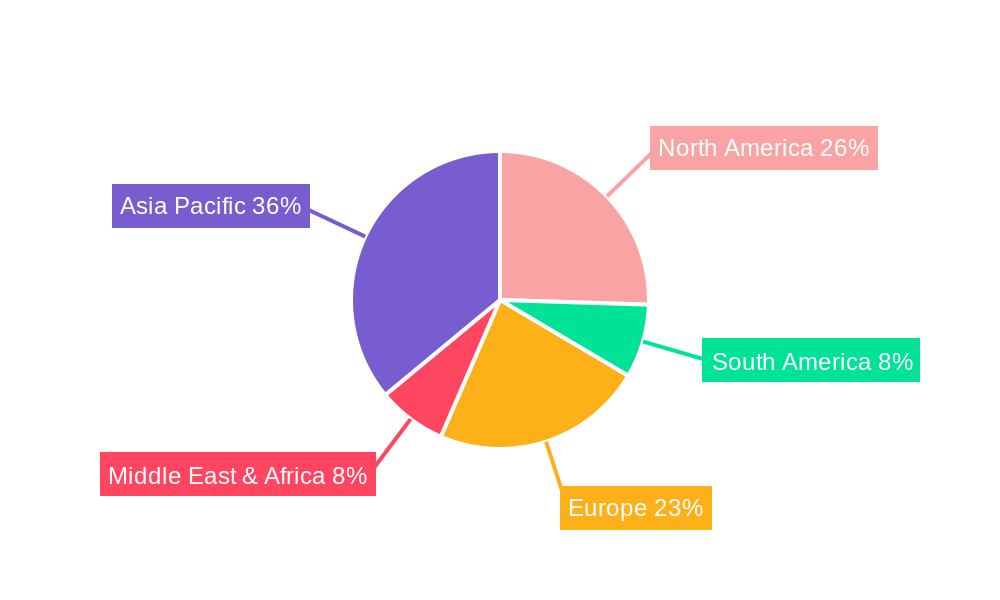
Artificial Plants and Flowers REPORT HIGHLIGHTS
| Aspects | Details |
|---|---|
| Study Period | 2019-2033 |
| Base Year | 2024 |
| Estimated Year | 2025 |
| Forecast Period | 2025-2033 |
| Historical Period | 2019-2024 |
| Growth Rate | CAGR of XX% from 2019-2033 |
| Segmentation |
|
Table of Contents
- 1. Introduction
- 1.1. Research Scope
- 1.2. Market Segmentation
- 1.3. Research Methodology
- 1.4. Definitions and Assumptions
- 2. Executive Summary
- 2.1. Introduction
- 3. Market Dynamics
- 3.1. Introduction
- 3.2. Market Drivers
- 3.3. Market Restrains
- 3.4. Market Trends
- 4. Market Factor Analysis
- 4.1. Porters Five Forces
- 4.2. Supply/Value Chain
- 4.3. PESTEL analysis
- 4.4. Market Entropy
- 4.5. Patent/Trademark Analysis
- 5. Global Artificial Plants and Flowers Analysis, Insights and Forecast, 2019-2031
- 5.1. Market Analysis, Insights and Forecast - by Application
- 5.1.1. Online
- 5.1.2. Offline
- 5.2. Market Analysis, Insights and Forecast - by Types
- 5.2.1. Potted plants
- 5.2.2. Bouquet
- 5.2.3. Others
- 5.3. Market Analysis, Insights and Forecast - by Region
- 5.3.1. North America
- 5.3.2. South America
- 5.3.3. Europe
- 5.3.4. Middle East & Africa
- 5.3.5. Asia Pacific
- 5.1. Market Analysis, Insights and Forecast - by Application
- 6. North America Artificial Plants and Flowers Analysis, Insights and Forecast, 2019-2031
- 6.1. Market Analysis, Insights and Forecast - by Application
- 6.1.1. Online
- 6.1.2. Offline
- 6.2. Market Analysis, Insights and Forecast - by Types
- 6.2.1. Potted plants
- 6.2.2. Bouquet
- 6.2.3. Others
- 6.1. Market Analysis, Insights and Forecast - by Application
- 7. South America Artificial Plants and Flowers Analysis, Insights and Forecast, 2019-2031
- 7.1. Market Analysis, Insights and Forecast - by Application
- 7.1.1. Online
- 7.1.2. Offline
- 7.2. Market Analysis, Insights and Forecast - by Types
- 7.2.1. Potted plants
- 7.2.2. Bouquet
- 7.2.3. Others
- 7.1. Market Analysis, Insights and Forecast - by Application
- 8. Europe Artificial Plants and Flowers Analysis, Insights and Forecast, 2019-2031
- 8.1. Market Analysis, Insights and Forecast - by Application
- 8.1.1. Online
- 8.1.2. Offline
- 8.2. Market Analysis, Insights and Forecast - by Types
- 8.2.1. Potted plants
- 8.2.2. Bouquet
- 8.2.3. Others
- 8.1. Market Analysis, Insights and Forecast - by Application
- 9. Middle East & Africa Artificial Plants and Flowers Analysis, Insights and Forecast, 2019-2031
- 9.1. Market Analysis, Insights and Forecast - by Application
- 9.1.1. Online
- 9.1.2. Offline
- 9.2. Market Analysis, Insights and Forecast - by Types
- 9.2.1. Potted plants
- 9.2.2. Bouquet
- 9.2.3. Others
- 9.1. Market Analysis, Insights and Forecast - by Application
- 10. Asia Pacific Artificial Plants and Flowers Analysis, Insights and Forecast, 2019-2031
- 10.1. Market Analysis, Insights and Forecast - by Application
- 10.1.1. Online
- 10.1.2. Offline
- 10.2. Market Analysis, Insights and Forecast - by Types
- 10.2.1. Potted plants
- 10.2.2. Bouquet
- 10.2.3. Others
- 10.1. Market Analysis, Insights and Forecast - by Application
- 11. Competitive Analysis
- 11.1. Global Market Share Analysis 2024
- 11.2. Company Profiles
- 11.2.1 TEMCHY
- 11.2.1.1. Overview
- 11.2.1.2. Products
- 11.2.1.3. SWOT Analysis
- 11.2.1.4. Recent Developments
- 11.2.1.5. Financials (Based on Availability)
- 11.2.2 West Elm
- 11.2.2.1. Overview
- 11.2.2.2. Products
- 11.2.2.3. SWOT Analysis
- 11.2.2.4. Recent Developments
- 11.2.2.5. Financials (Based on Availability)
- 11.2.3 Terrain
- 11.2.3.1. Overview
- 11.2.3.2. Products
- 11.2.3.3. SWOT Analysis
- 11.2.3.4. Recent Developments
- 11.2.3.5. Financials (Based on Availability)
- 11.2.4 CB2
- 11.2.4.1. Overview
- 11.2.4.2. Products
- 11.2.4.3. SWOT Analysis
- 11.2.4.4. Recent Developments
- 11.2.4.5. Financials (Based on Availability)
- 11.2.5 The French Bee
- 11.2.5.1. Overview
- 11.2.5.2. Products
- 11.2.5.3. SWOT Analysis
- 11.2.5.4. Recent Developments
- 11.2.5.5. Financials (Based on Availability)
- 11.2.6 RH
- 11.2.6.1. Overview
- 11.2.6.2. Products
- 11.2.6.3. SWOT Analysis
- 11.2.6.4. Recent Developments
- 11.2.6.5. Financials (Based on Availability)
- 11.2.7 Pottery Barn
- 11.2.7.1. Overview
- 11.2.7.2. Products
- 11.2.7.3. SWOT Analysis
- 11.2.7.4. Recent Developments
- 11.2.7.5. Financials (Based on Availability)
- 11.2.8 Nearly Natural
- 11.2.8.1. Overview
- 11.2.8.2. Products
- 11.2.8.3. SWOT Analysis
- 11.2.8.4. Recent Developments
- 11.2.8.5. Financials (Based on Availability)
- 11.2.9 The Sill's
- 11.2.9.1. Overview
- 11.2.9.2. Products
- 11.2.9.3. SWOT Analysis
- 11.2.9.4. Recent Developments
- 11.2.9.5. Financials (Based on Availability)
- 11.2.10 Gerson International
- 11.2.10.1. Overview
- 11.2.10.2. Products
- 11.2.10.3. SWOT Analysis
- 11.2.10.4. Recent Developments
- 11.2.10.5. Financials (Based on Availability)
- 11.2.1 TEMCHY
List of Figures
- Figure 1: Global Artificial Plants and Flowers Revenue Breakdown (million, %) by Region 2024 & 2032
- Figure 2: North America Artificial Plants and Flowers Revenue (million), by Application 2024 & 2032
- Figure 3: North America Artificial Plants and Flowers Revenue Share (%), by Application 2024 & 2032
- Figure 4: North America Artificial Plants and Flowers Revenue (million), by Types 2024 & 2032
- Figure 5: North America Artificial Plants and Flowers Revenue Share (%), by Types 2024 & 2032
- Figure 6: North America Artificial Plants and Flowers Revenue (million), by Country 2024 & 2032
- Figure 7: North America Artificial Plants and Flowers Revenue Share (%), by Country 2024 & 2032
- Figure 8: South America Artificial Plants and Flowers Revenue (million), by Application 2024 & 2032
- Figure 9: South America Artificial Plants and Flowers Revenue Share (%), by Application 2024 & 2032
- Figure 10: South America Artificial Plants and Flowers Revenue (million), by Types 2024 & 2032
- Figure 11: South America Artificial Plants and Flowers Revenue Share (%), by Types 2024 & 2032
- Figure 12: South America Artificial Plants and Flowers Revenue (million), by Country 2024 & 2032
- Figure 13: South America Artificial Plants and Flowers Revenue Share (%), by Country 2024 & 2032
- Figure 14: Europe Artificial Plants and Flowers Revenue (million), by Application 2024 & 2032
- Figure 15: Europe Artificial Plants and Flowers Revenue Share (%), by Application 2024 & 2032
- Figure 16: Europe Artificial Plants and Flowers Revenue (million), by Types 2024 & 2032
- Figure 17: Europe Artificial Plants and Flowers Revenue Share (%), by Types 2024 & 2032
- Figure 18: Europe Artificial Plants and Flowers Revenue (million), by Country 2024 & 2032
- Figure 19: Europe Artificial Plants and Flowers Revenue Share (%), by Country 2024 & 2032
- Figure 20: Middle East & Africa Artificial Plants and Flowers Revenue (million), by Application 2024 & 2032
- Figure 21: Middle East & Africa Artificial Plants and Flowers Revenue Share (%), by Application 2024 & 2032
- Figure 22: Middle East & Africa Artificial Plants and Flowers Revenue (million), by Types 2024 & 2032
- Figure 23: Middle East & Africa Artificial Plants and Flowers Revenue Share (%), by Types 2024 & 2032
- Figure 24: Middle East & Africa Artificial Plants and Flowers Revenue (million), by Country 2024 & 2032
- Figure 25: Middle East & Africa Artificial Plants and Flowers Revenue Share (%), by Country 2024 & 2032
- Figure 26: Asia Pacific Artificial Plants and Flowers Revenue (million), by Application 2024 & 2032
- Figure 27: Asia Pacific Artificial Plants and Flowers Revenue Share (%), by Application 2024 & 2032
- Figure 28: Asia Pacific Artificial Plants and Flowers Revenue (million), by Types 2024 & 2032
- Figure 29: Asia Pacific Artificial Plants and Flowers Revenue Share (%), by Types 2024 & 2032
- Figure 30: Asia Pacific Artificial Plants and Flowers Revenue (million), by Country 2024 & 2032
- Figure 31: Asia Pacific Artificial Plants and Flowers Revenue Share (%), by Country 2024 & 2032
List of Tables
- Table 1: Global Artificial Plants and Flowers Revenue million Forecast, by Region 2019 & 2032
- Table 2: Global Artificial Plants and Flowers Revenue million Forecast, by Application 2019 & 2032
- Table 3: Global Artificial Plants and Flowers Revenue million Forecast, by Types 2019 & 2032
- Table 4: Global Artificial Plants and Flowers Revenue million Forecast, by Region 2019 & 2032
- Table 5: Global Artificial Plants and Flowers Revenue million Forecast, by Application 2019 & 2032
- Table 6: Global Artificial Plants and Flowers Revenue million Forecast, by Types 2019 & 2032
- Table 7: Global Artificial Plants and Flowers Revenue million Forecast, by Country 2019 & 2032
- Table 8: United States Artificial Plants and Flowers Revenue (million) Forecast, by Application 2019 & 2032
- Table 9: Canada Artificial Plants and Flowers Revenue (million) Forecast, by Application 2019 & 2032
- Table 10: Mexico Artificial Plants and Flowers Revenue (million) Forecast, by Application 2019 & 2032
- Table 11: Global Artificial Plants and Flowers Revenue million Forecast, by Application 2019 & 2032
- Table 12: Global Artificial Plants and Flowers Revenue million Forecast, by Types 2019 & 2032
- Table 13: Global Artificial Plants and Flowers Revenue million Forecast, by Country 2019 & 2032
- Table 14: Brazil Artificial Plants and Flowers Revenue (million) Forecast, by Application 2019 & 2032
- Table 15: Argentina Artificial Plants and Flowers Revenue (million) Forecast, by Application 2019 & 2032
- Table 16: Rest of South America Artificial Plants and Flowers Revenue (million) Forecast, by Application 2019 & 2032
- Table 17: Global Artificial Plants and Flowers Revenue million Forecast, by Application 2019 & 2032
- Table 18: Global Artificial Plants and Flowers Revenue million Forecast, by Types 2019 & 2032
- Table 19: Global Artificial Plants and Flowers Revenue million Forecast, by Country 2019 & 2032
- Table 20: United Kingdom Artificial Plants and Flowers Revenue (million) Forecast, by Application 2019 & 2032
- Table 21: Germany Artificial Plants and Flowers Revenue (million) Forecast, by Application 2019 & 2032
- Table 22: France Artificial Plants and Flowers Revenue (million) Forecast, by Application 2019 & 2032
- Table 23: Italy Artificial Plants and Flowers Revenue (million) Forecast, by Application 2019 & 2032
- Table 24: Spain Artificial Plants and Flowers Revenue (million) Forecast, by Application 2019 & 2032
- Table 25: Russia Artificial Plants and Flowers Revenue (million) Forecast, by Application 2019 & 2032
- Table 26: Benelux Artificial Plants and Flowers Revenue (million) Forecast, by Application 2019 & 2032
- Table 27: Nordics Artificial Plants and Flowers Revenue (million) Forecast, by Application 2019 & 2032
- Table 28: Rest of Europe Artificial Plants and Flowers Revenue (million) Forecast, by Application 2019 & 2032
- Table 29: Global Artificial Plants and Flowers Revenue million Forecast, by Application 2019 & 2032
- Table 30: Global Artificial Plants and Flowers Revenue million Forecast, by Types 2019 & 2032
- Table 31: Global Artificial Plants and Flowers Revenue million Forecast, by Country 2019 & 2032
- Table 32: Turkey Artificial Plants and Flowers Revenue (million) Forecast, by Application 2019 & 2032
- Table 33: Israel Artificial Plants and Flowers Revenue (million) Forecast, by Application 2019 & 2032
- Table 34: GCC Artificial Plants and Flowers Revenue (million) Forecast, by Application 2019 & 2032
- Table 35: North Africa Artificial Plants and Flowers Revenue (million) Forecast, by Application 2019 & 2032
- Table 36: South Africa Artificial Plants and Flowers Revenue (million) Forecast, by Application 2019 & 2032
- Table 37: Rest of Middle East & Africa Artificial Plants and Flowers Revenue (million) Forecast, by Application 2019 & 2032
- Table 38: Global Artificial Plants and Flowers Revenue million Forecast, by Application 2019 & 2032
- Table 39: Global Artificial Plants and Flowers Revenue million Forecast, by Types 2019 & 2032
- Table 40: Global Artificial Plants and Flowers Revenue million Forecast, by Country 2019 & 2032
- Table 41: China Artificial Plants and Flowers Revenue (million) Forecast, by Application 2019 & 2032
- Table 42: India Artificial Plants and Flowers Revenue (million) Forecast, by Application 2019 & 2032
- Table 43: Japan Artificial Plants and Flowers Revenue (million) Forecast, by Application 2019 & 2032
- Table 44: South Korea Artificial Plants and Flowers Revenue (million) Forecast, by Application 2019 & 2032
- Table 45: ASEAN Artificial Plants and Flowers Revenue (million) Forecast, by Application 2019 & 2032
- Table 46: Oceania Artificial Plants and Flowers Revenue (million) Forecast, by Application 2019 & 2032
- Table 47: Rest of Asia Pacific Artificial Plants and Flowers Revenue (million) Forecast, by Application 2019 & 2032
Frequently Asked Questions
1. What is the projected Compound Annual Growth Rate (CAGR) of the Artificial Plants and Flowers?
The projected CAGR is approximately XX%.
2. Which companies are prominent players in the Artificial Plants and Flowers?
Key companies in the market include TEMCHY, West Elm, Terrain, CB2, The French Bee, RH, Pottery Barn, Nearly Natural, The Sill's, Gerson International.
3. What are the main segments of the Artificial Plants and Flowers?
The market segments include Application, Types.
4. Can you provide details about the market size?
The market size is estimated to be USD XXX million as of 2022.
5. What are some drivers contributing to market growth?
N/A
6. What are the notable trends driving market growth?
N/A
7. Are there any restraints impacting market growth?
N/A
8. Can you provide examples of recent developments in the market?
N/A
9. What pricing options are available for accessing the report?
Pricing options include single-user, multi-user, and enterprise licenses priced at USD 2900.00, USD 4350.00, and USD 5800.00 respectively.
10. Is the market size provided in terms of value or volume?
The market size is provided in terms of value, measured in million.
11. Are there any specific market keywords associated with the report?
Yes, the market keyword associated with the report is "Artificial Plants and Flowers," which aids in identifying and referencing the specific market segment covered.
12. How do I determine which pricing option suits my needs best?
The pricing options vary based on user requirements and access needs. Individual users may opt for single-user licenses, while businesses requiring broader access may choose multi-user or enterprise licenses for cost-effective access to the report.
13. Are there any additional resources or data provided in the Artificial Plants and Flowers report?
While the report offers comprehensive insights, it's advisable to review the specific contents or supplementary materials provided to ascertain if additional resources or data are available.
14. How can I stay updated on further developments or reports in the Artificial Plants and Flowers?
To stay informed about further developments, trends, and reports in the Artificial Plants and Flowers, consider subscribing to industry newsletters, following relevant companies and organizations, or regularly checking reputable industry news sources and publications.
Methodology
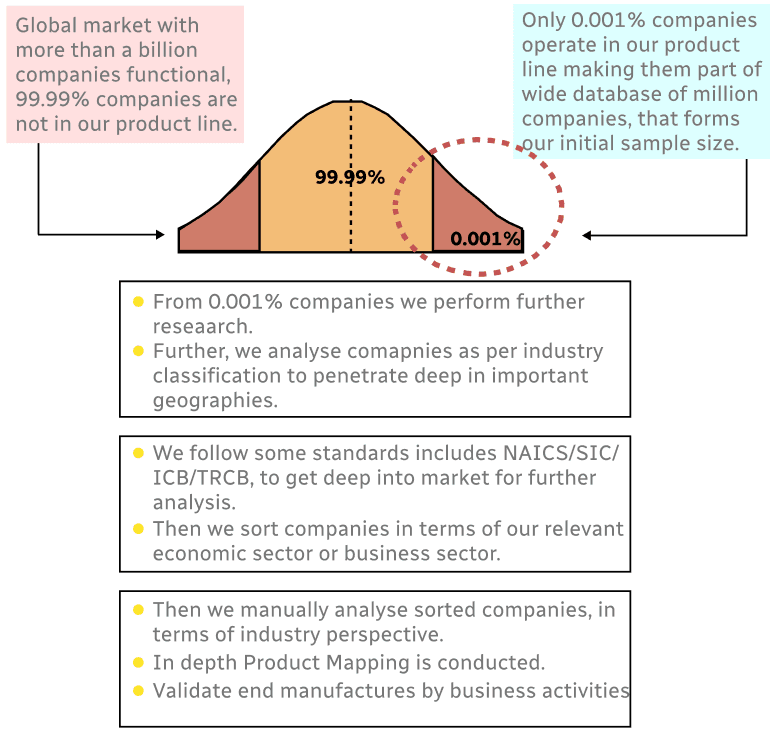
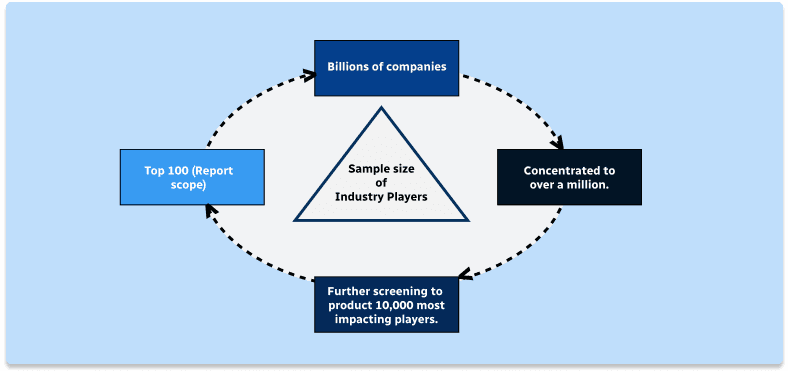
Step 1 - Identification of Relevant Samples Size from Population Database
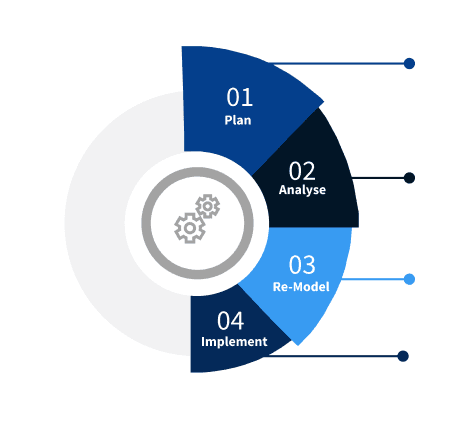
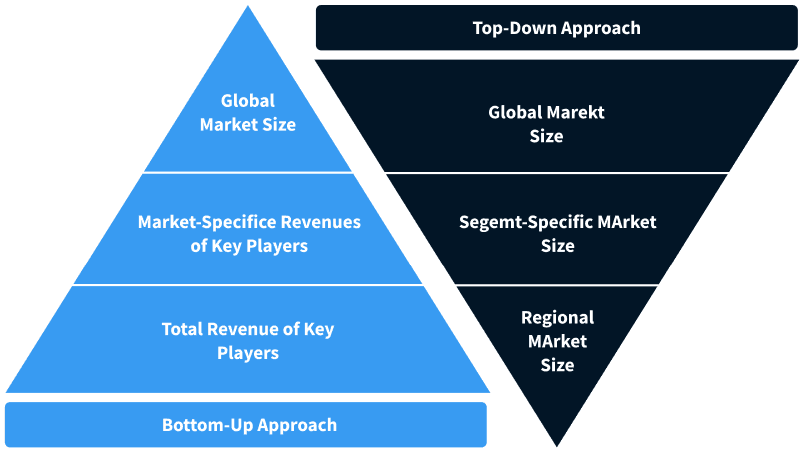
Step 2 - Approaches for Defining Global Market Size (Value, Volume* & Price*)
Note*: In applicable scenarios
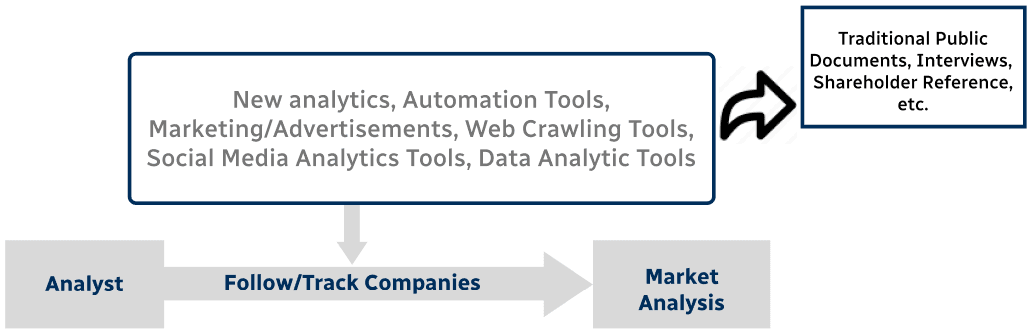
Step 3 - Data Sources
Primary Research
- Web Analytics
- Survey Reports
- Research Institute
- Latest Research Reports
- Opinion Leaders
Secondary Research
- Annual Reports
- White Paper
- Latest Press Release
- Industry Association
- Paid Database
- Investor Presentations
Step 4 - Data Triangulation
Involves using different sources of information in order to increase the validity of a study
These sources are likely to be stakeholders in a program - participants, other researchers, program staff, other community members, and so on.
Then we put all data in single framework & apply various statistical tools to find out the dynamic on the market.
During the analysis stage, feedback from the stakeholder groups would be compared to determine areas of agreement as well as areas of divergence