

Key Insights
The North American oilseed market (seed for sowing), encompassing canola, rapeseed, mustard, soybean, sunflower, and other oilseeds, is experiencing robust growth, projected to maintain a Compound Annual Growth Rate (CAGR) of 4.70% from 2025 to 2033. This expansion is driven by several key factors. Increasing demand for biofuels and vegetable oils globally fuels higher acreage dedicated to oilseed crops. Simultaneously, advancements in breeding technologies, particularly the development of hybrid varieties with enhanced yields and disease resistance, are significantly boosting production. Furthermore, supportive government policies promoting agricultural sustainability and bioenergy initiatives in countries like the US and Canada are contributing to market growth. The market is segmented geographically, with the United States, Canada, and Mexico representing the major contributors within North America. Leading companies like Land O'Lakes Inc., Groupe Limagrain, and Bayer AG are actively investing in research and development, introducing innovative seed varieties to cater to evolving farmer needs and market demands. The increasing adoption of precision agriculture techniques, including data-driven decision-making and targeted fertilizer application, also contributes to enhanced yields and improved market efficiency.
However, the market also faces certain challenges. Fluctuations in commodity prices, dependent on global supply and demand, can impact profitability. Climate change, manifested in unpredictable weather patterns and increased pest prevalence, presents a significant risk to crop yields. Furthermore, the increasing cost of inputs, such as fertilizers and pesticides, adds pressure to profit margins. Successfully navigating these challenges will require a multifaceted approach, including the development of climate-resilient varieties, sustainable farming practices, and effective risk management strategies. The market’s future hinges on the ability of industry players to innovate and adapt to these evolving market dynamics while continuing to meet the growing global demand for oilseeds. Competitive landscape involves intense R&D to improve seed quality and yield further fueling market growth.
This comprehensive report provides an in-depth analysis of the North American oilseed market (seed for sowing), offering invaluable insights for industry professionals, investors, and strategic decision-makers. The study covers the period from 2019 to 2033, with a base year of 2025 and a forecast period spanning 2025-2033. The market is segmented by breeding technology (Hybrids, Other Traits, Open Pollinated Varieties & Hybrid Derivatives), crop (Canola, Rapeseed & Mustard, Soybean, Sunflower, Other Oilseeds), and country (Canada, Mexico, United States, Rest of North America). The market size is valued in million units.
.png)
North America Oilseed Market (Seed for Sowing) Market Dynamics & Structure
This section analyzes the competitive landscape, technological advancements, and regulatory influences shaping the North American oilseed market. The market is moderately concentrated, with key players holding significant market share, but also showcasing space for smaller, specialized companies. Technological innovation, particularly in hybrid seed development and trait enhancement, is a crucial driver, constantly pushing yield improvements and resistance to diseases and pests. Regulatory frameworks governing seed production, labeling, and distribution vary across North American countries, impacting market access and operational costs. The presence of substitute products, such as genetically modified (GM) crops, influences market dynamics and consumer choices. M&A activities in the sector are fairly frequent, signifying consolidation and expansion strategies amongst players.
- Market Concentration: Moderately concentrated, with the top 5 players holding approximately xx% of the market share in 2025.
- Technological Innovation: Focus on hybrid seed technologies, disease resistance, and herbicide tolerance.
- Regulatory Framework: Varied across countries, impacting market access and compliance costs.
- Competitive Substitutes: Presence of GM crops and alternative farming practices influences market dynamics.
- M&A Trends: Moderate level of M&A activity, driving consolidation and expansion. An estimated xx deals occurred between 2019 and 2024.
- End-User Demographics: Primarily large-scale commercial farms, with a growing segment of smaller, specialized farms adopting higher-quality seeds.
North America Oilseed Market (Seed for Sowing) Growth Trends & Insights
The North American oilseed market (seed for sowing) experienced significant growth during the historical period (2019-2024), driven by factors such as increasing demand for oilseeds, technological advancements in seed breeding, and favorable government policies promoting agricultural production. The market size expanded from xx million units in 2019 to xx million units in 2024, registering a CAGR of xx%. The adoption rate of high-yielding hybrid seeds is increasing, especially amongst larger farms. Technological disruptions, including the use of precision agriculture techniques and data-driven decision-making, are improving efficiency and yield. Consumer behavior shifts towards health-conscious food choices indirectly impact the demand for oilseeds. We project a continued growth trajectory for the forecast period (2025-2033), with a projected CAGR of xx%, driven by factors outlined above and further innovations in seed technology.
.png)
Dominant Regions, Countries, or Segments in North America Oilseed Market (Seed for Sowing)
The United States represents the largest market for oilseed seeds in North America, owing to its vast arable land and extensive agricultural sector. Canada follows as a significant market, with a strong focus on canola production. Within the crop segments, soybean and canola consistently dominate the market share. Hybrid seed technologies are showing higher adoption rates compared to open-pollinated varieties.
- United States: Largest market due to extensive farmland and high agricultural production.
- Canada: Significant market share, driven primarily by canola production.
- Soybean: Largest crop segment due to high demand and widespread cultivation.
- Canola: Second largest crop segment, with strong growth potential.
- Hybrid Seeds: High adoption rate due to increased yields and superior traits.
- Key Drivers (US): Government subsidies for agricultural production, technological advancements, and favorable climatic conditions.
- Key Drivers (Canada): Strong government support for agricultural research and development, favorable climate in specific regions.
North America Oilseed Market (Seed for Sowing) Product Landscape
The oilseed seed market is characterized by a wide array of products catering to diverse agricultural needs. Innovations revolve around enhanced disease resistance, improved herbicide tolerance, and optimized yield potential. Hybrid seeds with superior genetics represent a prominent segment, offering higher yields and improved crop quality compared to open-pollinated varieties. Specific traits are tailored to meet regional climatic conditions and pest pressures. Technological advancements such as marker-assisted selection and gene editing are further enhancing seed quality and efficiency.
Key Drivers, Barriers & Challenges in North America Oilseed Market (Seed For Sowing)
Key Drivers:
- Increasing demand for oilseeds for food, feed, and biofuel applications.
- Technological advancements in seed breeding leading to higher yields and improved traits.
- Government policies supporting agricultural production and research.
Key Barriers & Challenges:
- Fluctuations in commodity prices impacting profitability.
- Climate change and extreme weather events affecting crop yields.
- Regulatory hurdles and compliance costs associated with seed production and distribution.
- Intense competition from established players and new entrants. The competition led to a xx% decrease in average profit margins between 2020 and 2024.
Emerging Opportunities in North America Oilseed Market (Seed For Sowing)
- Growing demand for sustainable and organically produced oilseeds.
- Development of new seed varieties resistant to diseases and pests.
- Expansion into untapped markets in the Rest of North America.
- Increased adoption of precision agriculture techniques improving efficiency and yields.
Growth Accelerators in the North America Oilseed Market (Seed For Sowing) Industry
Long-term growth is expected to be fueled by several factors, including the continued development of high-yielding and resilient seed varieties, strategic partnerships between seed companies and agricultural technology providers, and the exploration of new markets and applications for oilseeds. The increasing focus on sustainable agriculture practices and the growing demand for biofuels also contribute to this positive outlook.
Key Players Shaping the North America Oilseed Market (Seed For Sowing) Market
- Land O’Lakes Inc
- Groupe Limagrain
- Nufarm
- Bayer AG
- S&W Seed Co
- Advanta Seeds - UPL
- Syngenta Group
- Corteva Agriscience
- Stine Seed Company
- BASF SE
Notable Milestones in North America Oilseed Market (Seed For Sowing) Sector
- 2020: Introduction of a new herbicide-tolerant soybean variety by Bayer AG.
- 2021: Merger between two regional seed companies in Canada, increasing market consolidation.
- 2022: Launch of a new high-yielding canola hybrid by Syngenta Group.
- 2023: Significant investment in research and development by Corteva Agriscience focused on disease-resistant oilseed varieties.
- 2024: Increased adoption of precision agriculture technologies across North America impacting seed selection and usage.
In-Depth North America Oilseed Market (Seed For Sowing) Market Outlook
The North American oilseed market is poised for sustained growth over the forecast period, driven by several key factors. Technological innovations, particularly in seed breeding and precision agriculture, will continue to improve yields and efficiency. Strategic partnerships and investments will further enhance the sector's capabilities and global competitiveness. Government policies supporting agricultural production and research will also contribute positively to the market's outlook. The market's long-term potential is significant, with opportunities for expansion in new markets and applications, including sustainable agriculture and biofuels.
North America Oilseed Market (seed For Sowing) Segmentation
-
1. Breeding Technology
-
1.1. Hybrids
- 1.1.1. Non-Transgenic Hybrids
- 1.1.2. Herbicide Tolerant Hybrids
- 1.1.3. Insect Resistant Hybrids
- 1.1.4. Other Traits
- 1.2. Open Pollinated Varieties & Hybrid Derivatives
-
1.1. Hybrids
-
2. Crop
- 2.1. Canola, Rapeseed & Mustard
- 2.2. Soybean
- 2.3. Sunflower
- 2.4. Other Oilseeds
-
3. Breeding Technology
-
3.1. Hybrids
- 3.1.1. Non-Transgenic Hybrids
- 3.1.2. Herbicide Tolerant Hybrids
- 3.1.3. Insect Resistant Hybrids
- 3.1.4. Other Traits
- 3.2. Open Pollinated Varieties & Hybrid Derivatives
-
3.1. Hybrids
-
4. Crop
- 4.1. Canola, Rapeseed & Mustard
- 4.2. Soybean
- 4.3. Sunflower
- 4.4. Other Oilseeds
North America Oilseed Market (seed For Sowing) Segmentation By Geography
-
1. North America
- 1.1. United States
- 1.2. Canada
- 1.3. Mexico
.png)
North America Oilseed Market (seed For Sowing) REPORT HIGHLIGHTS
| Aspects | Details |
|---|---|
| Study Period | 2019-2033 |
| Base Year | 2024 |
| Estimated Year | 2025 |
| Forecast Period | 2025-2033 |
| Historical Period | 2019-2024 |
| Growth Rate | CAGR of 4.70% from 2019-2033 |
| Segmentation |
|
Table of Contents
- 1. Introduction
- 1.1. Research Scope
- 1.2. Market Segmentation
- 1.3. Research Methodology
- 1.4. Definitions and Assumptions
- 2. Executive Summary
- 2.1. Introduction
- 3. Market Dynamics
- 3.1. Introduction
- 3.2. Market Drivers
- 3.2.1. Seed Treatment As A Solution To Enhance Yield; Growing Awareness For Seed Treatment Among The Farmers; Rising Trend Of Organic Farming
- 3.3. Market Restrains
- 3.3.1. Limitations Across Farm-Level Seed Treatment; Rising Environmental Concerns
- 3.4. Market Trends
- 3.4.1. OTHER KEY INDUSTRY TRENDS COVERED IN THE REPORT
- 4. Market Factor Analysis
- 4.1. Porters Five Forces
- 4.2. Supply/Value Chain
- 4.3. PESTEL analysis
- 4.4. Market Entropy
- 4.5. Patent/Trademark Analysis
- 5. North America Oilseed Market (seed For Sowing) Analysis, Insights and Forecast, 2019-2031
- 5.1. Market Analysis, Insights and Forecast - by Breeding Technology
- 5.1.1. Hybrids
- 5.1.1.1. Non-Transgenic Hybrids
- 5.1.1.2. Herbicide Tolerant Hybrids
- 5.1.1.3. Insect Resistant Hybrids
- 5.1.1.4. Other Traits
- 5.1.2. Open Pollinated Varieties & Hybrid Derivatives
- 5.1.1. Hybrids
- 5.2. Market Analysis, Insights and Forecast - by Crop
- 5.2.1. Canola, Rapeseed & Mustard
- 5.2.2. Soybean
- 5.2.3. Sunflower
- 5.2.4. Other Oilseeds
- 5.3. Market Analysis, Insights and Forecast - by Breeding Technology
- 5.3.1. Hybrids
- 5.3.1.1. Non-Transgenic Hybrids
- 5.3.1.2. Herbicide Tolerant Hybrids
- 5.3.1.3. Insect Resistant Hybrids
- 5.3.1.4. Other Traits
- 5.3.2. Open Pollinated Varieties & Hybrid Derivatives
- 5.3.1. Hybrids
- 5.4. Market Analysis, Insights and Forecast - by Crop
- 5.4.1. Canola, Rapeseed & Mustard
- 5.4.2. Soybean
- 5.4.3. Sunflower
- 5.4.4. Other Oilseeds
- 5.5. Market Analysis, Insights and Forecast - by Region
- 5.5.1. North America
- 5.1. Market Analysis, Insights and Forecast - by Breeding Technology
- 6. United States North America Oilseed Market (seed For Sowing) Analysis, Insights and Forecast, 2019-2031
- 7. Canada North America Oilseed Market (seed For Sowing) Analysis, Insights and Forecast, 2019-2031
- 8. Mexico North America Oilseed Market (seed For Sowing) Analysis, Insights and Forecast, 2019-2031
- 9. Rest of North America North America Oilseed Market (seed For Sowing) Analysis, Insights and Forecast, 2019-2031
- 10. Competitive Analysis
- 10.1. Market Share Analysis 2024
- 10.2. Company Profiles
- 10.2.1 Land O’Lakes Inc
- 10.2.1.1. Overview
- 10.2.1.2. Products
- 10.2.1.3. SWOT Analysis
- 10.2.1.4. Recent Developments
- 10.2.1.5. Financials (Based on Availability)
- 10.2.2 Groupe Limagrain
- 10.2.2.1. Overview
- 10.2.2.2. Products
- 10.2.2.3. SWOT Analysis
- 10.2.2.4. Recent Developments
- 10.2.2.5. Financials (Based on Availability)
- 10.2.3 Nufarm
- 10.2.3.1. Overview
- 10.2.3.2. Products
- 10.2.3.3. SWOT Analysis
- 10.2.3.4. Recent Developments
- 10.2.3.5. Financials (Based on Availability)
- 10.2.4 Bayer AG
- 10.2.4.1. Overview
- 10.2.4.2. Products
- 10.2.4.3. SWOT Analysis
- 10.2.4.4. Recent Developments
- 10.2.4.5. Financials (Based on Availability)
- 10.2.5 S&W Seed Co
- 10.2.5.1. Overview
- 10.2.5.2. Products
- 10.2.5.3. SWOT Analysis
- 10.2.5.4. Recent Developments
- 10.2.5.5. Financials (Based on Availability)
- 10.2.6 Advanta Seeds - UPL
- 10.2.6.1. Overview
- 10.2.6.2. Products
- 10.2.6.3. SWOT Analysis
- 10.2.6.4. Recent Developments
- 10.2.6.5. Financials (Based on Availability)
- 10.2.7 Syngenta Grou
- 10.2.7.1. Overview
- 10.2.7.2. Products
- 10.2.7.3. SWOT Analysis
- 10.2.7.4. Recent Developments
- 10.2.7.5. Financials (Based on Availability)
- 10.2.8 Corteva Agriscience
- 10.2.8.1. Overview
- 10.2.8.2. Products
- 10.2.8.3. SWOT Analysis
- 10.2.8.4. Recent Developments
- 10.2.8.5. Financials (Based on Availability)
- 10.2.9 Stine Seed Company
- 10.2.9.1. Overview
- 10.2.9.2. Products
- 10.2.9.3. SWOT Analysis
- 10.2.9.4. Recent Developments
- 10.2.9.5. Financials (Based on Availability)
- 10.2.10 BASF SE
- 10.2.10.1. Overview
- 10.2.10.2. Products
- 10.2.10.3. SWOT Analysis
- 10.2.10.4. Recent Developments
- 10.2.10.5. Financials (Based on Availability)
- 10.2.1 Land O’Lakes Inc
List of Figures
- Figure 1: North America Oilseed Market (seed For Sowing) Revenue Breakdown (Million, %) by Product 2024 & 2032
- Figure 2: North America Oilseed Market (seed For Sowing) Share (%) by Company 2024
List of Tables
- Table 1: North America Oilseed Market (seed For Sowing) Revenue Million Forecast, by Region 2019 & 2032
- Table 2: North America Oilseed Market (seed For Sowing) Volume Kiloton Forecast, by Region 2019 & 2032
- Table 3: North America Oilseed Market (seed For Sowing) Revenue Million Forecast, by Breeding Technology 2019 & 2032
- Table 4: North America Oilseed Market (seed For Sowing) Volume Kiloton Forecast, by Breeding Technology 2019 & 2032
- Table 5: North America Oilseed Market (seed For Sowing) Revenue Million Forecast, by Crop 2019 & 2032
- Table 6: North America Oilseed Market (seed For Sowing) Volume Kiloton Forecast, by Crop 2019 & 2032
- Table 7: North America Oilseed Market (seed For Sowing) Revenue Million Forecast, by Breeding Technology 2019 & 2032
- Table 8: North America Oilseed Market (seed For Sowing) Volume Kiloton Forecast, by Breeding Technology 2019 & 2032
- Table 9: North America Oilseed Market (seed For Sowing) Revenue Million Forecast, by Crop 2019 & 2032
- Table 10: North America Oilseed Market (seed For Sowing) Volume Kiloton Forecast, by Crop 2019 & 2032
- Table 11: North America Oilseed Market (seed For Sowing) Revenue Million Forecast, by Region 2019 & 2032
- Table 12: North America Oilseed Market (seed For Sowing) Volume Kiloton Forecast, by Region 2019 & 2032
- Table 13: North America Oilseed Market (seed For Sowing) Revenue Million Forecast, by Country 2019 & 2032
- Table 14: North America Oilseed Market (seed For Sowing) Volume Kiloton Forecast, by Country 2019 & 2032
- Table 15: United States North America Oilseed Market (seed For Sowing) Revenue (Million) Forecast, by Application 2019 & 2032
- Table 16: United States North America Oilseed Market (seed For Sowing) Volume (Kiloton) Forecast, by Application 2019 & 2032
- Table 17: Canada North America Oilseed Market (seed For Sowing) Revenue (Million) Forecast, by Application 2019 & 2032
- Table 18: Canada North America Oilseed Market (seed For Sowing) Volume (Kiloton) Forecast, by Application 2019 & 2032
- Table 19: Mexico North America Oilseed Market (seed For Sowing) Revenue (Million) Forecast, by Application 2019 & 2032
- Table 20: Mexico North America Oilseed Market (seed For Sowing) Volume (Kiloton) Forecast, by Application 2019 & 2032
- Table 21: Rest of North America North America Oilseed Market (seed For Sowing) Revenue (Million) Forecast, by Application 2019 & 2032
- Table 22: Rest of North America North America Oilseed Market (seed For Sowing) Volume (Kiloton) Forecast, by Application 2019 & 2032
- Table 23: North America Oilseed Market (seed For Sowing) Revenue Million Forecast, by Breeding Technology 2019 & 2032
- Table 24: North America Oilseed Market (seed For Sowing) Volume Kiloton Forecast, by Breeding Technology 2019 & 2032
- Table 25: North America Oilseed Market (seed For Sowing) Revenue Million Forecast, by Crop 2019 & 2032
- Table 26: North America Oilseed Market (seed For Sowing) Volume Kiloton Forecast, by Crop 2019 & 2032
- Table 27: North America Oilseed Market (seed For Sowing) Revenue Million Forecast, by Breeding Technology 2019 & 2032
- Table 28: North America Oilseed Market (seed For Sowing) Volume Kiloton Forecast, by Breeding Technology 2019 & 2032
- Table 29: North America Oilseed Market (seed For Sowing) Revenue Million Forecast, by Crop 2019 & 2032
- Table 30: North America Oilseed Market (seed For Sowing) Volume Kiloton Forecast, by Crop 2019 & 2032
- Table 31: North America Oilseed Market (seed For Sowing) Revenue Million Forecast, by Country 2019 & 2032
- Table 32: North America Oilseed Market (seed For Sowing) Volume Kiloton Forecast, by Country 2019 & 2032
- Table 33: United States North America Oilseed Market (seed For Sowing) Revenue (Million) Forecast, by Application 2019 & 2032
- Table 34: United States North America Oilseed Market (seed For Sowing) Volume (Kiloton) Forecast, by Application 2019 & 2032
- Table 35: Canada North America Oilseed Market (seed For Sowing) Revenue (Million) Forecast, by Application 2019 & 2032
- Table 36: Canada North America Oilseed Market (seed For Sowing) Volume (Kiloton) Forecast, by Application 2019 & 2032
- Table 37: Mexico North America Oilseed Market (seed For Sowing) Revenue (Million) Forecast, by Application 2019 & 2032
- Table 38: Mexico North America Oilseed Market (seed For Sowing) Volume (Kiloton) Forecast, by Application 2019 & 2032
Frequently Asked Questions
1. What is the projected Compound Annual Growth Rate (CAGR) of the North America Oilseed Market (seed For Sowing)?
The projected CAGR is approximately 4.70%.
2. Which companies are prominent players in the North America Oilseed Market (seed For Sowing)?
Key companies in the market include Land O’Lakes Inc, Groupe Limagrain, Nufarm, Bayer AG, S&W Seed Co, Advanta Seeds - UPL, Syngenta Grou, Corteva Agriscience, Stine Seed Company, BASF SE.
3. What are the main segments of the North America Oilseed Market (seed For Sowing)?
The market segments include Breeding Technology, Crop, Breeding Technology, Crop.
4. Can you provide details about the market size?
The market size is estimated to be USD XX Million as of 2022.
5. What are some drivers contributing to market growth?
Seed Treatment As A Solution To Enhance Yield; Growing Awareness For Seed Treatment Among The Farmers; Rising Trend Of Organic Farming.
6. What are the notable trends driving market growth?
OTHER KEY INDUSTRY TRENDS COVERED IN THE REPORT.
7. Are there any restraints impacting market growth?
Limitations Across Farm-Level Seed Treatment; Rising Environmental Concerns.
8. Can you provide examples of recent developments in the market?
N/A
9. What pricing options are available for accessing the report?
Pricing options include single-user, multi-user, and enterprise licenses priced at USD 3800, USD 4500, and USD 5800 respectively.
10. Is the market size provided in terms of value or volume?
The market size is provided in terms of value, measured in Million and volume, measured in Kiloton.
11. Are there any specific market keywords associated with the report?
Yes, the market keyword associated with the report is "North America Oilseed Market (seed For Sowing)," which aids in identifying and referencing the specific market segment covered.
12. How do I determine which pricing option suits my needs best?
The pricing options vary based on user requirements and access needs. Individual users may opt for single-user licenses, while businesses requiring broader access may choose multi-user or enterprise licenses for cost-effective access to the report.
13. Are there any additional resources or data provided in the North America Oilseed Market (seed For Sowing) report?
While the report offers comprehensive insights, it's advisable to review the specific contents or supplementary materials provided to ascertain if additional resources or data are available.
14. How can I stay updated on further developments or reports in the North America Oilseed Market (seed For Sowing)?
To stay informed about further developments, trends, and reports in the North America Oilseed Market (seed For Sowing), consider subscribing to industry newsletters, following relevant companies and organizations, or regularly checking reputable industry news sources and publications.
Methodology
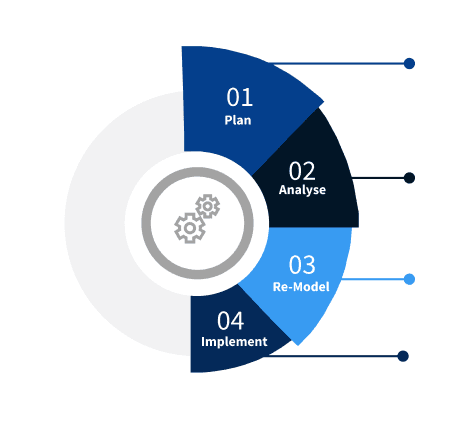
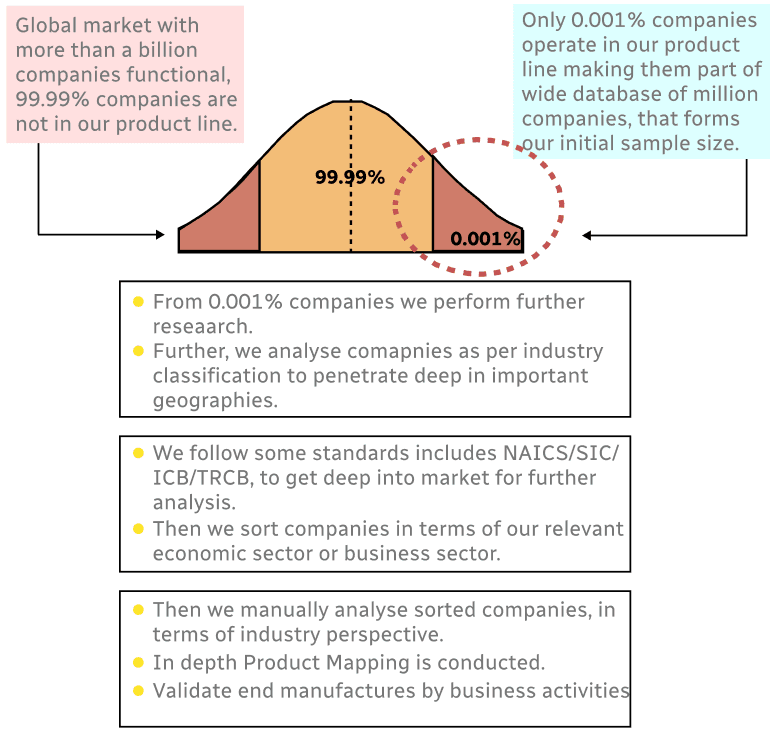
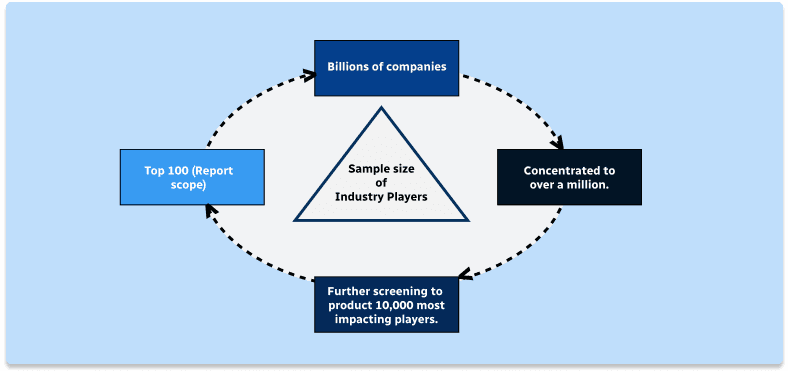
Step 1 - Identification of Relevant Samples Size from Population Database
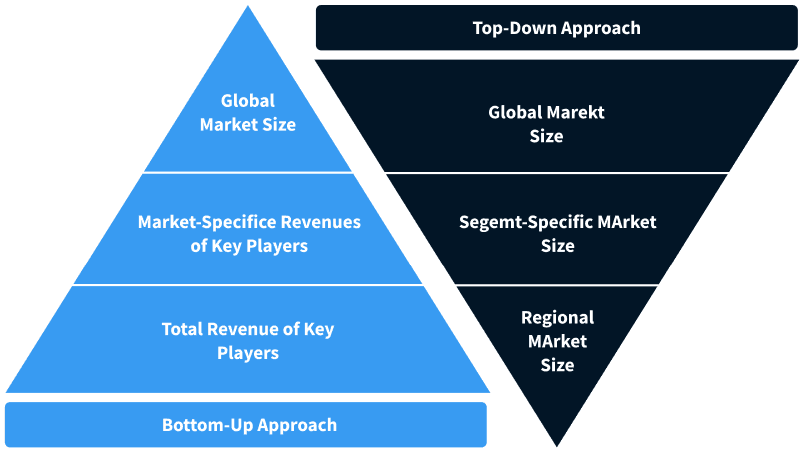
Step 2 - Approaches for Defining Global Market Size (Value, Volume* & Price*)
Note*: In applicable scenarios
Step 3 - Data Sources
Primary Research
- Web Analytics
- Survey Reports
- Research Institute
- Latest Research Reports
- Opinion Leaders
Secondary Research
- Annual Reports
- White Paper
- Latest Press Release
- Industry Association
- Paid Database
- Investor Presentations
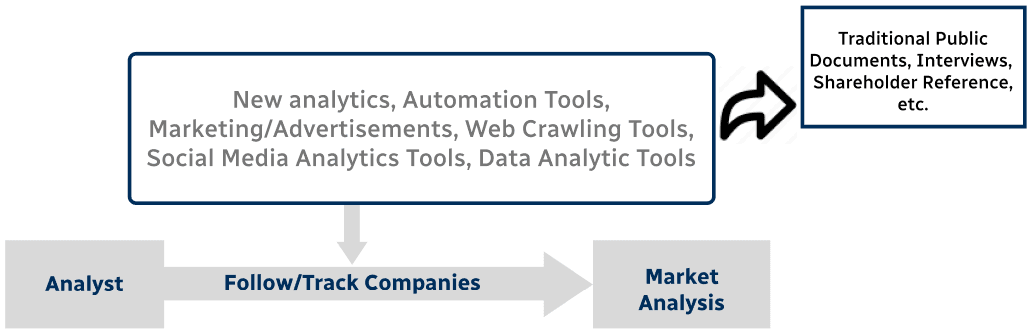
Step 4 - Data Triangulation
Involves using different sources of information in order to increase the validity of a study
These sources are likely to be stakeholders in a program - participants, other researchers, program staff, other community members, and so on.
Then we put all data in single framework & apply various statistical tools to find out the dynamic on the market.
During the analysis stage, feedback from the stakeholder groups would be compared to determine areas of agreement as well as areas of divergence