

Key Insights
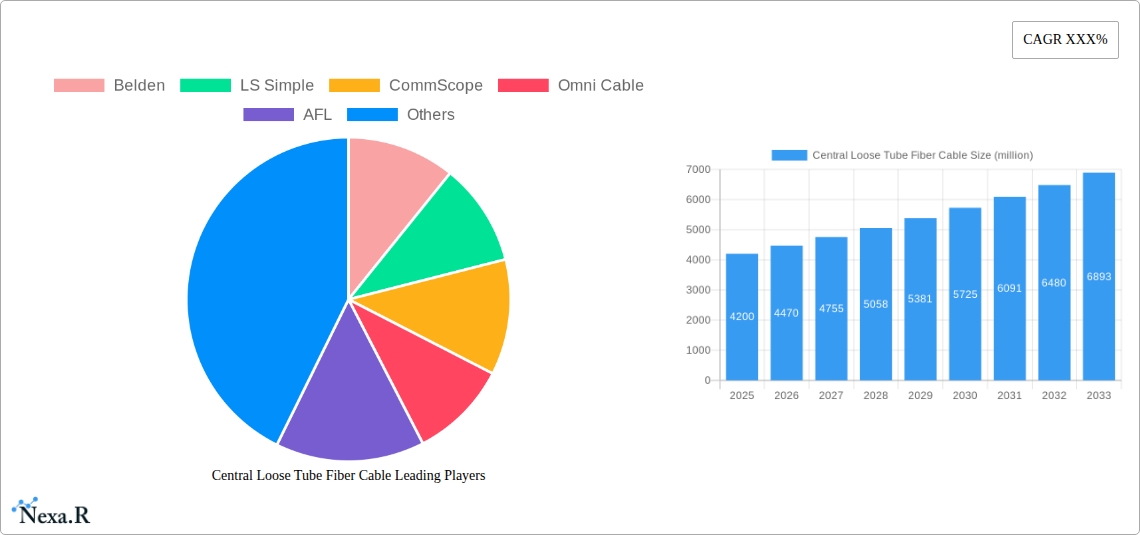
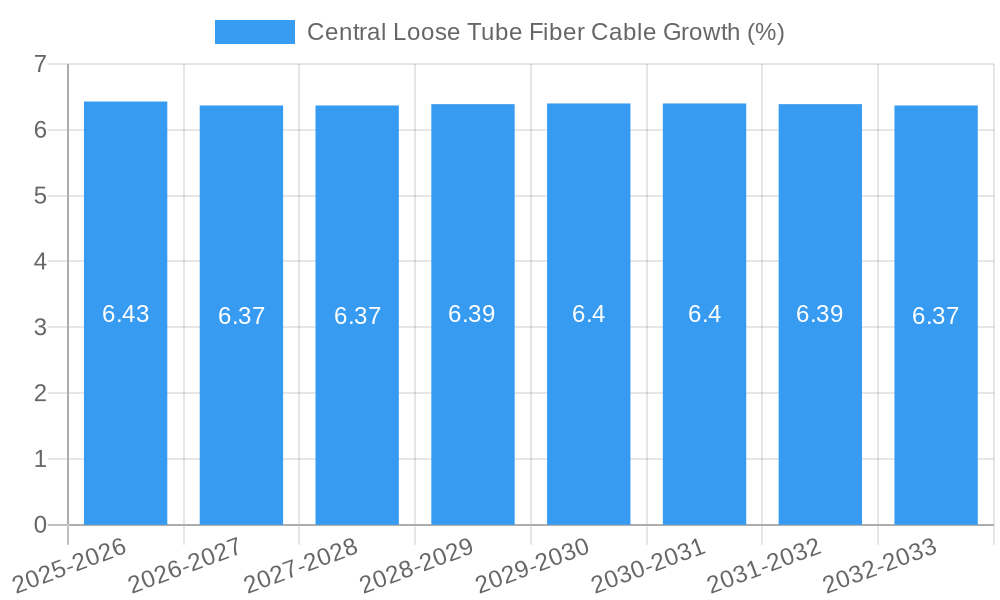
The global Central Loose Tube Fiber Cable market is poised for significant expansion, projected to reach a substantial market size of approximately $4.2 billion in 2025. This robust growth is underpinned by a Compound Annual Growth Rate (CAGR) of roughly 6.5% throughout the forecast period of 2025-2033. The increasing demand for high-speed internet, coupled with the ongoing build-out of 5G infrastructure and the proliferation of data centers, are the primary catalysts driving this market. Furthermore, the growing adoption of fiber-to-the-home (FTTH) initiatives worldwide, aimed at enhancing broadband connectivity for residential and enterprise users, is a significant contributor to market expansion. The continuous evolution of telecommunications networks and the need for reliable, high-capacity data transmission solutions are creating sustained demand for central loose tube fiber optic cables, known for their durability and performance in diverse environmental conditions.
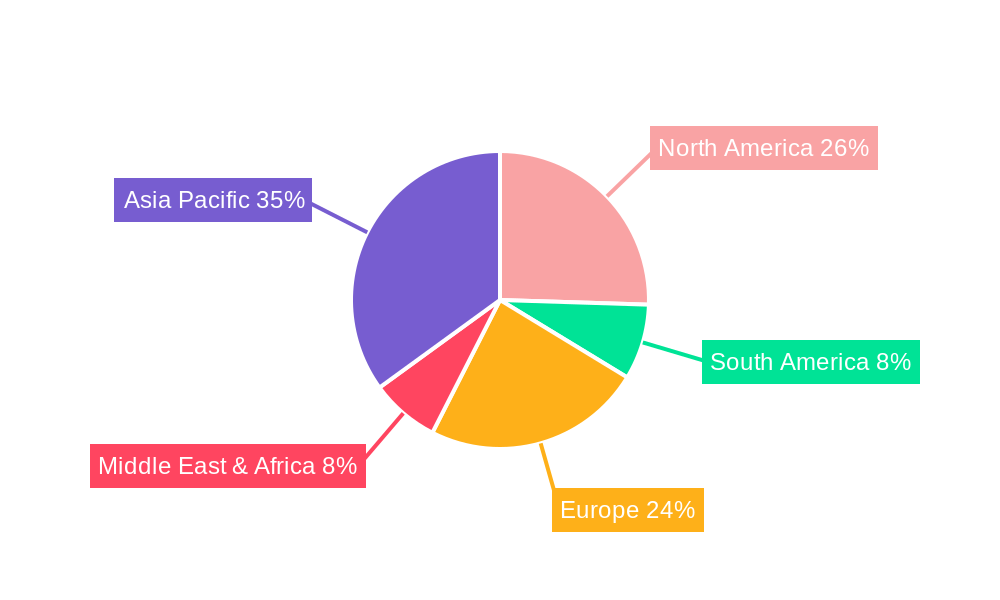
The market is segmented by application into Indoor and Outdoor uses, with the Outdoor segment holding a dominant share due to extensive network deployments in telecommunication infrastructure. The Type segmentation includes Single-mode and Multi-mode cables, with Single-mode fiber cables likely to witness higher growth owing to their suitability for long-haul transmission and high-bandwidth applications. Key industry players such as Belden, CommScope, and AFL are actively investing in research and development to introduce innovative cable designs and expand their manufacturing capabilities. Geographically, the Asia Pacific region is expected to lead the market in terms of growth, driven by massive investments in digital infrastructure in countries like China and India, followed by North America and Europe, which are also undergoing significant network upgrades. Despite the positive outlook, challenges such as the high initial cost of deployment and the availability of alternative networking technologies could pose some restraints to the market's full potential.
This comprehensive report delves into the dynamic Central Loose Tube Fiber Cable market, providing an in-depth analysis of its structure, growth trajectories, dominant segments, and future outlook. Designed for industry professionals, procurement specialists, and strategic planners, this report offers actionable insights into the evolving landscape of fiber optic cabling solutions. Our study period spans from 2019 to 2033, with a detailed analysis of the Base Year 2025 and a robust Forecast Period of 2025–2033, building upon the Historical Period of 2019–2024. This report is meticulously structured to highlight key trends, drivers, challenges, and opportunities, ensuring maximum search engine visibility through strategic integration of high-traffic keywords, including "fiber optic cable," "loose tube cable," "telecom infrastructure," "data center cabling," "FTTH," "5G deployment," and "enterprise networking."
Central Loose Tube Fiber Cable Market Dynamics & Structure
The Central Loose Tube Fiber Cable market is characterized by a moderate to high level of concentration, with key players actively engaged in strategic initiatives to capture market share. Technological innovation serves as a primary driver, fueled by the increasing demand for higher bandwidth and lower latency across various applications. Evolving regulatory frameworks, particularly those promoting broadband expansion and digital infrastructure development, further stimulate market growth. Competitive product substitutes, though present in niche segments, are largely outpaced by the inherent advantages of loose tube fiber cables for demanding environments. End-user demographics are shifting towards enterprises, telecommunication providers, and data centers requiring robust and scalable connectivity solutions. Mergers and acquisitions (M&A) are a notable trend, with companies consolidating to enhance their product portfolios and geographical reach. For instance, the market has witnessed an average of 2-3 significant M&A deals annually in the past three years, with deal values ranging from $50 million to $500 million. Barriers to innovation include the high cost of research and development for advanced fiber technologies and the lengthy product qualification processes within telecommunication networks.
- Market Concentration: Moderate to High, with key players dominating significant portions of the market.
- Technological Innovation Drivers: Increased demand for higher bandwidth, lower latency, and advanced network architectures (e.g., 5G, IoT).
- Regulatory Frameworks: Government initiatives supporting broadband deployment, rural connectivity, and smart city development.
- Competitive Product Substitutes: Limited in core applications, but emerging technologies are continuously being evaluated.
- End-User Demographics: Telecommunication providers (estimated 60% market share), enterprises (estimated 30% market share), data centers (estimated 10% market share), and government bodies.
- M&A Trends: Strategic acquisitions for market expansion, technology integration, and product diversification.
Central Loose Tube Fiber Cable Growth Trends & Insights
The Central Loose Tube Fiber Cable market is poised for significant expansion, projected to grow from an estimated $2.1 billion in 2025 to $3.8 billion by 2033, exhibiting a Compound Annual Growth Rate (CAGR) of approximately 7.5%. This robust growth is underpinned by the relentless expansion of global telecommunications networks, driven by the insatiable demand for data. The ongoing 5G deployment across developed and developing nations is a major catalyst, requiring high-capacity fiber backhaul and fronthaul solutions that Central Loose Tube Fiber Cables are ideally suited for. Furthermore, the burgeoning FTTH (Fiber to the Home) initiatives, aiming to provide high-speed internet access to residential areas, are a substantial growth driver. The adoption rate of Central Loose Tube Fiber Cables in outdoor environments, particularly for long-haul telecommunications and broadband internet service, is exceptionally high, estimated at over 85% of total outdoor fiber deployments. Technologically, advancements in fiber manufacturing, such as reduced attenuation and improved durability, are enhancing performance and enabling new applications. Consumer behavior is increasingly favoring higher bandwidth services for streaming, gaming, and remote work, directly translating into a greater demand for robust fiber optic infrastructure. The increasing digitalization of industries, from manufacturing to healthcare, further fuels the need for reliable and high-performance networking solutions. The market penetration of fiber optic cables in core network infrastructure has already surpassed 70% in many developed regions, with the Central Loose Tube Fiber Cable segment playing a pivotal role in this penetration. The forecast period anticipates sustained investment in global internet infrastructure, with governments and private entities allocating billions of dollars to enhance connectivity.
Dominant Regions, Countries, or Segments in Central Loose Tube Fiber Cable
The Outdoor Application segment is the undisputed leader in the Central Loose Tube Fiber Cable market, projected to account for an estimated 70% of the total market share by 2025. This dominance is driven by the critical need for robust and weather-resistant cabling solutions in outdoor environments, essential for telecommunications infrastructure, broadband networks, and utility deployments. Countries within North America and Europe are currently leading the market due to their well-established telecommunications infrastructure, significant ongoing investments in 5G deployment, and widespread FTTH initiatives. For instance, the United States alone is expected to contribute approximately 25% to the global market revenue in 2025, propelled by extensive rural broadband expansion programs and dense urban network upgrades. The Asia Pacific region, particularly China and India, represents the fastest-growing market, driven by rapid urbanization, increasing internet penetration, and substantial government support for digital transformation. Economic policies in these regions are highly conducive to infrastructure development, with significant public and private funding allocated to expanding fiber optic networks. The dominance of the outdoor segment is further amplified by its inherent requirements for durability against environmental factors such as temperature fluctuations, moisture, and physical stress, where the protective construction of loose tube cables excels. The market share for single-mode fiber within this segment is substantial, estimated at over 90%, due to its superior transmission capabilities over long distances required in outdoor deployments. Growth potential in these dominant regions is immense, fueled by the ongoing need for network upgrades and the expansion into underserved areas.
- Dominant Application Segment: Outdoor (Estimated 70% market share by 2025)
- Key Drivers: 5G infrastructure, FTTH rollouts, telecommunication backhaul, utility deployments, robust environmental protection.
- Market Share: High, with continued growth due to network expansion.
- Dominant Regions: North America and Europe (leading in current market size)
- Key Drivers: Advanced telecommunications infrastructure, significant investment in 5G and FTTH, government support for digital connectivity.
- Market Share: Substantial, with ongoing network upgrades.
- Fastest-Growing Region: Asia Pacific (China, India)
- Key Drivers: Rapid urbanization, increasing internet penetration, government initiatives for digital transformation, expanding subscriber base.
- Growth Potential: Extremely high due to infrastructure deficits and rapid adoption.
- Dominant Countries (Examples): United States, China, Germany, India.
- Dominant Fiber Type in Outdoor: Single-mode (Estimated >90% market share)
- Reasoning: Superior long-distance transmission capabilities, essential for outdoor network infrastructure.
Central Loose Tube Fiber Cable Product Landscape
The Central Loose Tube Fiber Cable product landscape is characterized by continuous innovation focused on enhancing performance, durability, and ease of installation. Recent product developments include advanced gel-free designs for easier handling and reduced environmental impact, as well as reinforced cable constructions offering superior crush resistance and rodent protection for demanding outdoor environments. Fiber specifications are increasingly optimized for specific applications, with variations in core and cladding diameters for Single-mode (e.g., OS2) and Multi-mode (e.g., OM3, OM4, OM5) cables catering to diverse bandwidth and distance requirements. Performance metrics such as attenuation coefficients, bandwidth capabilities, and mechanical strength are continuously being improved. Unique selling propositions often lie in the cable's ability to withstand extreme temperatures, resist water ingress, and provide high fiber density within a compact design. Technological advancements include the integration of bend-insensitive fibers, crucial for installations in confined spaces and complex routing scenarios, and the development of specialized jacketing materials for enhanced UV resistance and fire retardancy, particularly for indoor/outdoor applications.
Key Drivers, Barriers & Challenges in Central Loose Tube Fiber Cable
The Central Loose Tube Fiber Cable market is propelled by several key drivers. The escalating demand for high-speed internet and data transmission, fueled by the proliferation of streaming services, cloud computing, and the Internet of Things (IoT), is a primary growth engine. The widespread 5G network deployment necessitates massive fiber optic infrastructure upgrades for backhaul and fronthaul, creating substantial demand. Government initiatives promoting broadband expansion and digital infrastructure development globally are also significant catalysts.
- Technological Drivers: 5G deployment, FTTH expansion, data center growth, IoT adoption.
- Economic Drivers: Increasing demand for high-speed internet, digital transformation across industries.
- Policy Drivers: Government subsidies and mandates for broadband infrastructure.
However, the market faces several barriers and challenges. The high upfront cost of fiber optic infrastructure deployment, including cable installation and associated equipment, can be a restraint, especially in developing regions. Supply chain disruptions, as experienced in recent years, can impact material availability and lead times, leading to increased costs and project delays. Intense competition from established players and emerging manufacturers can put pressure on pricing. Regulatory hurdles related to right-of-way access and permitting processes can slow down deployment timelines.
- Cost Barriers: High initial investment for infrastructure deployment.
- Supply Chain Issues: Material shortages and logistics challenges impacting production and delivery.
- Competitive Pressures: Price wars and market saturation in certain segments.
- Regulatory Hurdles: Complex permitting and right-of-way acquisition processes.
Emerging Opportunities in Central Loose Tube Fiber Cable
Emerging opportunities in the Central Loose Tube Fiber Cable market are centered around the increasing need for robust connectivity in underserved areas and specialized applications. The continued expansion of FTTH networks into rural and remote regions presents a significant untapped market. The growing adoption of smart city technologies, requiring extensive sensor networks and data transmission capabilities, offers another avenue for growth. Furthermore, the development of advanced fiber optic solutions for industrial automation, harsh environment applications (e.g., oil and gas, mining), and secure communication networks is creating new product development opportunities. Evolving consumer preferences for higher bandwidth and more reliable internet are also driving demand for advanced fiber solutions.
Growth Accelerators in the Central Loose Tube Fiber Cable Industry
Several factors are accelerating long-term growth in the Central Loose Tube Fiber Cable industry. Continuous technological breakthroughs in fiber optics, such as higher bandwidth capabilities and lower signal loss, are making fiber a more attractive and cost-effective solution. Strategic partnerships between cable manufacturers, equipment providers, and telecommunication operators are crucial for streamlining deployment and innovation. Market expansion strategies, including geographical diversification and targeting new industry verticals, are also driving growth. The increasing demand for converged networks, supporting both data and power, is another significant accelerator.
Key Players Shaping the Central Loose Tube Fiber Cable Market
- Belden
- LS Simple
- CommScope
- Omni Cable
- AFL
- Anixter
- Infinique
- Hongan Group
- OPTOKON
- AFL Hyperscale
- Remee
- Webro
- Telegärtner
- APS
- Leviton
Notable Milestones in Central Loose Tube Fiber Cable Sector
- 2020: Significant increase in demand for remote work infrastructure leading to accelerated FTTH deployments.
- 2021: Heightened supply chain challenges impacting global fiber optic cable production and pricing.
- 2022: Major telecommunication companies announce expanded 5G network build-out plans, increasing fiber optic cable orders.
- 2023: Introduction of new high-density Central Loose Tube Fiber Cable designs for data center applications.
- 2024 (Q1-Q4): Continued investment in smart city initiatives driving demand for fiber optic infrastructure in urban areas.
- 2025 (Projected): Expected acceleration in 5G Standalone (SA) network deployments globally.
In-Depth Central Loose Tube Fiber Cable Market Outlook
- 2020: Significant increase in demand for remote work infrastructure leading to accelerated FTTH deployments.
- 2021: Heightened supply chain challenges impacting global fiber optic cable production and pricing.
- 2022: Major telecommunication companies announce expanded 5G network build-out plans, increasing fiber optic cable orders.
- 2023: Introduction of new high-density Central Loose Tube Fiber Cable designs for data center applications.
- 2024 (Q1-Q4): Continued investment in smart city initiatives driving demand for fiber optic infrastructure in urban areas.
- 2025 (Projected): Expected acceleration in 5G Standalone (SA) network deployments globally.
In-Depth Central Loose Tube Fiber Cable Market Outlook
The outlook for the Central Loose Tube Fiber Cable market remains exceptionally positive, driven by the pervasive digitalization of society and the critical role of high-speed, reliable connectivity. Growth accelerators such as ongoing 5G expansion, the universal push for FTTH, and the increasing demands of data centers will continue to fuel demand. Strategic partnerships and continued technological advancements in fiber optics will further enhance the value proposition of Central Loose Tube Fiber Cables. The market is poised for sustained growth, presenting significant opportunities for innovation, market penetration, and strategic investments in the coming years. The predicted market size of $3.8 billion by 2033 underscores the immense potential.
Central Loose Tube Fiber Cable Segmentation
-
1. Application
- 1.1. Indoor
- 1.2. Outdoor
-
2. Type
- 2.1. Single-mode
- 2.2. Multi-mode
Central Loose Tube Fiber Cable Segmentation By Geography
-
1. North America
- 1.1. United States
- 1.2. Canada
- 1.3. Mexico
-
2. South America
- 2.1. Brazil
- 2.2. Argentina
- 2.3. Rest of South America
-
3. Europe
- 3.1. United Kingdom
- 3.2. Germany
- 3.3. France
- 3.4. Italy
- 3.5. Spain
- 3.6. Russia
- 3.7. Benelux
- 3.8. Nordics
- 3.9. Rest of Europe
-
4. Middle East & Africa
- 4.1. Turkey
- 4.2. Israel
- 4.3. GCC
- 4.4. North Africa
- 4.5. South Africa
- 4.6. Rest of Middle East & Africa
-
5. Asia Pacific
- 5.1. China
- 5.2. India
- 5.3. Japan
- 5.4. South Korea
- 5.5. ASEAN
- 5.6. Oceania
- 5.7. Rest of Asia Pacific
Central Loose Tube Fiber Cable REPORT HIGHLIGHTS
| Aspects | Details |
|---|---|
| Study Period | 2019-2033 |
| Base Year | 2024 |
| Estimated Year | 2025 |
| Forecast Period | 2025-2033 |
| Historical Period | 2019-2024 |
| Growth Rate | CAGR of XXX% from 2019-2033 |
| Segmentation |
|
Table of Contents
- 1. Introduction
- 1.1. Research Scope
- 1.2. Market Segmentation
- 1.3. Research Methodology
- 1.4. Definitions and Assumptions
- 2. Executive Summary
- 2.1. Introduction
- 3. Market Dynamics
- 3.1. Introduction
- 3.2. Market Drivers
- 3.3. Market Restrains
- 3.4. Market Trends
- 4. Market Factor Analysis
- 4.1. Porters Five Forces
- 4.2. Supply/Value Chain
- 4.3. PESTEL analysis
- 4.4. Market Entropy
- 4.5. Patent/Trademark Analysis
- 5. Global Central Loose Tube Fiber Cable Analysis, Insights and Forecast, 2019-2031
- 5.1. Market Analysis, Insights and Forecast - by Application
- 5.1.1. Indoor
- 5.1.2. Outdoor
- 5.2. Market Analysis, Insights and Forecast - by Type
- 5.2.1. Single-mode
- 5.2.2. Multi-mode
- 5.3. Market Analysis, Insights and Forecast - by Region
- 5.3.1. North America
- 5.3.2. South America
- 5.3.3. Europe
- 5.3.4. Middle East & Africa
- 5.3.5. Asia Pacific
- 5.1. Market Analysis, Insights and Forecast - by Application
- 6. North America Central Loose Tube Fiber Cable Analysis, Insights and Forecast, 2019-2031
- 6.1. Market Analysis, Insights and Forecast - by Application
- 6.1.1. Indoor
- 6.1.2. Outdoor
- 6.2. Market Analysis, Insights and Forecast - by Type
- 6.2.1. Single-mode
- 6.2.2. Multi-mode
- 6.1. Market Analysis, Insights and Forecast - by Application
- 7. South America Central Loose Tube Fiber Cable Analysis, Insights and Forecast, 2019-2031
- 7.1. Market Analysis, Insights and Forecast - by Application
- 7.1.1. Indoor
- 7.1.2. Outdoor
- 7.2. Market Analysis, Insights and Forecast - by Type
- 7.2.1. Single-mode
- 7.2.2. Multi-mode
- 7.1. Market Analysis, Insights and Forecast - by Application
- 8. Europe Central Loose Tube Fiber Cable Analysis, Insights and Forecast, 2019-2031
- 8.1. Market Analysis, Insights and Forecast - by Application
- 8.1.1. Indoor
- 8.1.2. Outdoor
- 8.2. Market Analysis, Insights and Forecast - by Type
- 8.2.1. Single-mode
- 8.2.2. Multi-mode
- 8.1. Market Analysis, Insights and Forecast - by Application
- 9. Middle East & Africa Central Loose Tube Fiber Cable Analysis, Insights and Forecast, 2019-2031
- 9.1. Market Analysis, Insights and Forecast - by Application
- 9.1.1. Indoor
- 9.1.2. Outdoor
- 9.2. Market Analysis, Insights and Forecast - by Type
- 9.2.1. Single-mode
- 9.2.2. Multi-mode
- 9.1. Market Analysis, Insights and Forecast - by Application
- 10. Asia Pacific Central Loose Tube Fiber Cable Analysis, Insights and Forecast, 2019-2031
- 10.1. Market Analysis, Insights and Forecast - by Application
- 10.1.1. Indoor
- 10.1.2. Outdoor
- 10.2. Market Analysis, Insights and Forecast - by Type
- 10.2.1. Single-mode
- 10.2.2. Multi-mode
- 10.1. Market Analysis, Insights and Forecast - by Application
- 11. Competitive Analysis
- 11.1. Global Market Share Analysis 2024
- 11.2. Company Profiles
- 11.2.1 Belden
- 11.2.1.1. Overview
- 11.2.1.2. Products
- 11.2.1.3. SWOT Analysis
- 11.2.1.4. Recent Developments
- 11.2.1.5. Financials (Based on Availability)
- 11.2.2 LS Simple
- 11.2.2.1. Overview
- 11.2.2.2. Products
- 11.2.2.3. SWOT Analysis
- 11.2.2.4. Recent Developments
- 11.2.2.5. Financials (Based on Availability)
- 11.2.3 CommScope
- 11.2.3.1. Overview
- 11.2.3.2. Products
- 11.2.3.3. SWOT Analysis
- 11.2.3.4. Recent Developments
- 11.2.3.5. Financials (Based on Availability)
- 11.2.4 Omni Cable
- 11.2.4.1. Overview
- 11.2.4.2. Products
- 11.2.4.3. SWOT Analysis
- 11.2.4.4. Recent Developments
- 11.2.4.5. Financials (Based on Availability)
- 11.2.5 AFL
- 11.2.5.1. Overview
- 11.2.5.2. Products
- 11.2.5.3. SWOT Analysis
- 11.2.5.4. Recent Developments
- 11.2.5.5. Financials (Based on Availability)
- 11.2.6 Anixter
- 11.2.6.1. Overview
- 11.2.6.2. Products
- 11.2.6.3. SWOT Analysis
- 11.2.6.4. Recent Developments
- 11.2.6.5. Financials (Based on Availability)
- 11.2.7 Infinique
- 11.2.7.1. Overview
- 11.2.7.2. Products
- 11.2.7.3. SWOT Analysis
- 11.2.7.4. Recent Developments
- 11.2.7.5. Financials (Based on Availability)
- 11.2.8 Hongan Group
- 11.2.8.1. Overview
- 11.2.8.2. Products
- 11.2.8.3. SWOT Analysis
- 11.2.8.4. Recent Developments
- 11.2.8.5. Financials (Based on Availability)
- 11.2.9 OPTOKON
- 11.2.9.1. Overview
- 11.2.9.2. Products
- 11.2.9.3. SWOT Analysis
- 11.2.9.4. Recent Developments
- 11.2.9.5. Financials (Based on Availability)
- 11.2.10 AFL Hyperscale
- 11.2.10.1. Overview
- 11.2.10.2. Products
- 11.2.10.3. SWOT Analysis
- 11.2.10.4. Recent Developments
- 11.2.10.5. Financials (Based on Availability)
- 11.2.11 Remee
- 11.2.11.1. Overview
- 11.2.11.2. Products
- 11.2.11.3. SWOT Analysis
- 11.2.11.4. Recent Developments
- 11.2.11.5. Financials (Based on Availability)
- 11.2.12 Webro
- 11.2.12.1. Overview
- 11.2.12.2. Products
- 11.2.12.3. SWOT Analysis
- 11.2.12.4. Recent Developments
- 11.2.12.5. Financials (Based on Availability)
- 11.2.13 Telegärtner
- 11.2.13.1. Overview
- 11.2.13.2. Products
- 11.2.13.3. SWOT Analysis
- 11.2.13.4. Recent Developments
- 11.2.13.5. Financials (Based on Availability)
- 11.2.14 APS
- 11.2.14.1. Overview
- 11.2.14.2. Products
- 11.2.14.3. SWOT Analysis
- 11.2.14.4. Recent Developments
- 11.2.14.5. Financials (Based on Availability)
- 11.2.15 Leviton
- 11.2.15.1. Overview
- 11.2.15.2. Products
- 11.2.15.3. SWOT Analysis
- 11.2.15.4. Recent Developments
- 11.2.15.5. Financials (Based on Availability)
- 11.2.1 Belden
List of Figures
- Figure 1: Global Central Loose Tube Fiber Cable Revenue Breakdown (million, %) by Region 2024 & 2032
- Figure 2: North America Central Loose Tube Fiber Cable Revenue (million), by Application 2024 & 2032
- Figure 3: North America Central Loose Tube Fiber Cable Revenue Share (%), by Application 2024 & 2032
- Figure 4: North America Central Loose Tube Fiber Cable Revenue (million), by Type 2024 & 2032
- Figure 5: North America Central Loose Tube Fiber Cable Revenue Share (%), by Type 2024 & 2032
- Figure 6: North America Central Loose Tube Fiber Cable Revenue (million), by Country 2024 & 2032
- Figure 7: North America Central Loose Tube Fiber Cable Revenue Share (%), by Country 2024 & 2032
- Figure 8: South America Central Loose Tube Fiber Cable Revenue (million), by Application 2024 & 2032
- Figure 9: South America Central Loose Tube Fiber Cable Revenue Share (%), by Application 2024 & 2032
- Figure 10: South America Central Loose Tube Fiber Cable Revenue (million), by Type 2024 & 2032
- Figure 11: South America Central Loose Tube Fiber Cable Revenue Share (%), by Type 2024 & 2032
- Figure 12: South America Central Loose Tube Fiber Cable Revenue (million), by Country 2024 & 2032
- Figure 13: South America Central Loose Tube Fiber Cable Revenue Share (%), by Country 2024 & 2032
- Figure 14: Europe Central Loose Tube Fiber Cable Revenue (million), by Application 2024 & 2032
- Figure 15: Europe Central Loose Tube Fiber Cable Revenue Share (%), by Application 2024 & 2032
- Figure 16: Europe Central Loose Tube Fiber Cable Revenue (million), by Type 2024 & 2032
- Figure 17: Europe Central Loose Tube Fiber Cable Revenue Share (%), by Type 2024 & 2032
- Figure 18: Europe Central Loose Tube Fiber Cable Revenue (million), by Country 2024 & 2032
- Figure 19: Europe Central Loose Tube Fiber Cable Revenue Share (%), by Country 2024 & 2032
- Figure 20: Middle East & Africa Central Loose Tube Fiber Cable Revenue (million), by Application 2024 & 2032
- Figure 21: Middle East & Africa Central Loose Tube Fiber Cable Revenue Share (%), by Application 2024 & 2032
- Figure 22: Middle East & Africa Central Loose Tube Fiber Cable Revenue (million), by Type 2024 & 2032
- Figure 23: Middle East & Africa Central Loose Tube Fiber Cable Revenue Share (%), by Type 2024 & 2032
- Figure 24: Middle East & Africa Central Loose Tube Fiber Cable Revenue (million), by Country 2024 & 2032
- Figure 25: Middle East & Africa Central Loose Tube Fiber Cable Revenue Share (%), by Country 2024 & 2032
- Figure 26: Asia Pacific Central Loose Tube Fiber Cable Revenue (million), by Application 2024 & 2032
- Figure 27: Asia Pacific Central Loose Tube Fiber Cable Revenue Share (%), by Application 2024 & 2032
- Figure 28: Asia Pacific Central Loose Tube Fiber Cable Revenue (million), by Type 2024 & 2032
- Figure 29: Asia Pacific Central Loose Tube Fiber Cable Revenue Share (%), by Type 2024 & 2032
- Figure 30: Asia Pacific Central Loose Tube Fiber Cable Revenue (million), by Country 2024 & 2032
- Figure 31: Asia Pacific Central Loose Tube Fiber Cable Revenue Share (%), by Country 2024 & 2032
List of Tables
- Table 1: Global Central Loose Tube Fiber Cable Revenue million Forecast, by Region 2019 & 2032
- Table 2: Global Central Loose Tube Fiber Cable Revenue million Forecast, by Application 2019 & 2032
- Table 3: Global Central Loose Tube Fiber Cable Revenue million Forecast, by Type 2019 & 2032
- Table 4: Global Central Loose Tube Fiber Cable Revenue million Forecast, by Region 2019 & 2032
- Table 5: Global Central Loose Tube Fiber Cable Revenue million Forecast, by Application 2019 & 2032
- Table 6: Global Central Loose Tube Fiber Cable Revenue million Forecast, by Type 2019 & 2032
- Table 7: Global Central Loose Tube Fiber Cable Revenue million Forecast, by Country 2019 & 2032
- Table 8: United States Central Loose Tube Fiber Cable Revenue (million) Forecast, by Application 2019 & 2032
- Table 9: Canada Central Loose Tube Fiber Cable Revenue (million) Forecast, by Application 2019 & 2032
- Table 10: Mexico Central Loose Tube Fiber Cable Revenue (million) Forecast, by Application 2019 & 2032
- Table 11: Global Central Loose Tube Fiber Cable Revenue million Forecast, by Application 2019 & 2032
- Table 12: Global Central Loose Tube Fiber Cable Revenue million Forecast, by Type 2019 & 2032
- Table 13: Global Central Loose Tube Fiber Cable Revenue million Forecast, by Country 2019 & 2032
- Table 14: Brazil Central Loose Tube Fiber Cable Revenue (million) Forecast, by Application 2019 & 2032
- Table 15: Argentina Central Loose Tube Fiber Cable Revenue (million) Forecast, by Application 2019 & 2032
- Table 16: Rest of South America Central Loose Tube Fiber Cable Revenue (million) Forecast, by Application 2019 & 2032
- Table 17: Global Central Loose Tube Fiber Cable Revenue million Forecast, by Application 2019 & 2032
- Table 18: Global Central Loose Tube Fiber Cable Revenue million Forecast, by Type 2019 & 2032
- Table 19: Global Central Loose Tube Fiber Cable Revenue million Forecast, by Country 2019 & 2032
- Table 20: United Kingdom Central Loose Tube Fiber Cable Revenue (million) Forecast, by Application 2019 & 2032
- Table 21: Germany Central Loose Tube Fiber Cable Revenue (million) Forecast, by Application 2019 & 2032
- Table 22: France Central Loose Tube Fiber Cable Revenue (million) Forecast, by Application 2019 & 2032
- Table 23: Italy Central Loose Tube Fiber Cable Revenue (million) Forecast, by Application 2019 & 2032
- Table 24: Spain Central Loose Tube Fiber Cable Revenue (million) Forecast, by Application 2019 & 2032
- Table 25: Russia Central Loose Tube Fiber Cable Revenue (million) Forecast, by Application 2019 & 2032
- Table 26: Benelux Central Loose Tube Fiber Cable Revenue (million) Forecast, by Application 2019 & 2032
- Table 27: Nordics Central Loose Tube Fiber Cable Revenue (million) Forecast, by Application 2019 & 2032
- Table 28: Rest of Europe Central Loose Tube Fiber Cable Revenue (million) Forecast, by Application 2019 & 2032
- Table 29: Global Central Loose Tube Fiber Cable Revenue million Forecast, by Application 2019 & 2032
- Table 30: Global Central Loose Tube Fiber Cable Revenue million Forecast, by Type 2019 & 2032
- Table 31: Global Central Loose Tube Fiber Cable Revenue million Forecast, by Country 2019 & 2032
- Table 32: Turkey Central Loose Tube Fiber Cable Revenue (million) Forecast, by Application 2019 & 2032
- Table 33: Israel Central Loose Tube Fiber Cable Revenue (million) Forecast, by Application 2019 & 2032
- Table 34: GCC Central Loose Tube Fiber Cable Revenue (million) Forecast, by Application 2019 & 2032
- Table 35: North Africa Central Loose Tube Fiber Cable Revenue (million) Forecast, by Application 2019 & 2032
- Table 36: South Africa Central Loose Tube Fiber Cable Revenue (million) Forecast, by Application 2019 & 2032
- Table 37: Rest of Middle East & Africa Central Loose Tube Fiber Cable Revenue (million) Forecast, by Application 2019 & 2032
- Table 38: Global Central Loose Tube Fiber Cable Revenue million Forecast, by Application 2019 & 2032
- Table 39: Global Central Loose Tube Fiber Cable Revenue million Forecast, by Type 2019 & 2032
- Table 40: Global Central Loose Tube Fiber Cable Revenue million Forecast, by Country 2019 & 2032
- Table 41: China Central Loose Tube Fiber Cable Revenue (million) Forecast, by Application 2019 & 2032
- Table 42: India Central Loose Tube Fiber Cable Revenue (million) Forecast, by Application 2019 & 2032
- Table 43: Japan Central Loose Tube Fiber Cable Revenue (million) Forecast, by Application 2019 & 2032
- Table 44: South Korea Central Loose Tube Fiber Cable Revenue (million) Forecast, by Application 2019 & 2032
- Table 45: ASEAN Central Loose Tube Fiber Cable Revenue (million) Forecast, by Application 2019 & 2032
- Table 46: Oceania Central Loose Tube Fiber Cable Revenue (million) Forecast, by Application 2019 & 2032
- Table 47: Rest of Asia Pacific Central Loose Tube Fiber Cable Revenue (million) Forecast, by Application 2019 & 2032
Frequently Asked Questions
1. What is the projected Compound Annual Growth Rate (CAGR) of the Central Loose Tube Fiber Cable?
The projected CAGR is approximately XXX%.
2. Which companies are prominent players in the Central Loose Tube Fiber Cable?
Key companies in the market include Belden, LS Simple, CommScope, Omni Cable, AFL, Anixter, Infinique, Hongan Group, OPTOKON, AFL Hyperscale, Remee, Webro, Telegärtner, APS, Leviton.
3. What are the main segments of the Central Loose Tube Fiber Cable?
The market segments include Application, Type.
4. Can you provide details about the market size?
The market size is estimated to be USD XXX million as of 2022.
5. What are some drivers contributing to market growth?
N/A
6. What are the notable trends driving market growth?
N/A
7. Are there any restraints impacting market growth?
N/A
8. Can you provide examples of recent developments in the market?
N/A
9. What pricing options are available for accessing the report?
Pricing options include single-user, multi-user, and enterprise licenses priced at USD 2900.00, USD 4350.00, and USD 5800.00 respectively.
10. Is the market size provided in terms of value or volume?
The market size is provided in terms of value, measured in million.
11. Are there any specific market keywords associated with the report?
Yes, the market keyword associated with the report is "Central Loose Tube Fiber Cable," which aids in identifying and referencing the specific market segment covered.
12. How do I determine which pricing option suits my needs best?
The pricing options vary based on user requirements and access needs. Individual users may opt for single-user licenses, while businesses requiring broader access may choose multi-user or enterprise licenses for cost-effective access to the report.
13. Are there any additional resources or data provided in the Central Loose Tube Fiber Cable report?
While the report offers comprehensive insights, it's advisable to review the specific contents or supplementary materials provided to ascertain if additional resources or data are available.
14. How can I stay updated on further developments or reports in the Central Loose Tube Fiber Cable?
To stay informed about further developments, trends, and reports in the Central Loose Tube Fiber Cable, consider subscribing to industry newsletters, following relevant companies and organizations, or regularly checking reputable industry news sources and publications.
Methodology
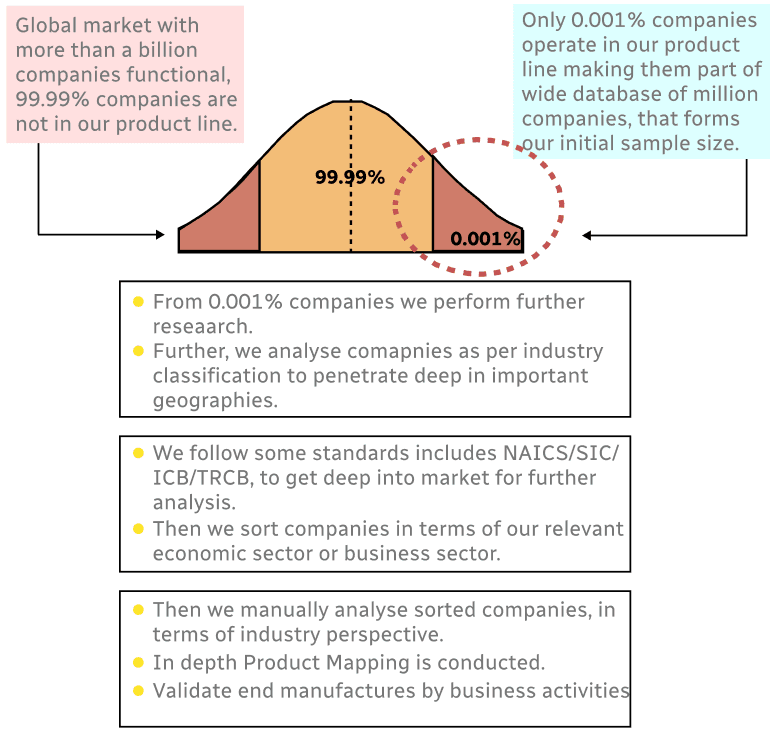
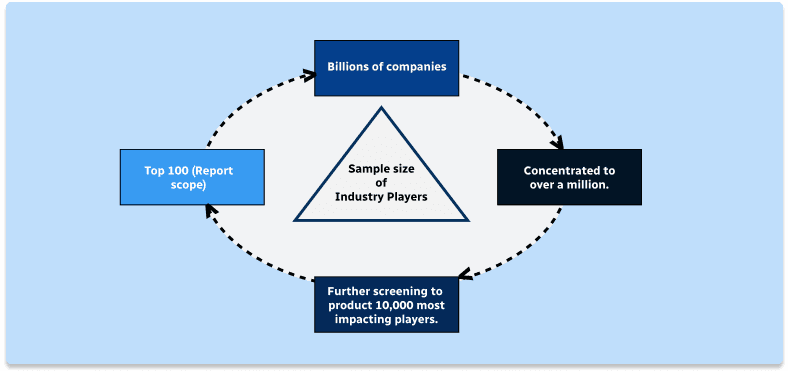
Step 1 - Identification of Relevant Samples Size from Population Database
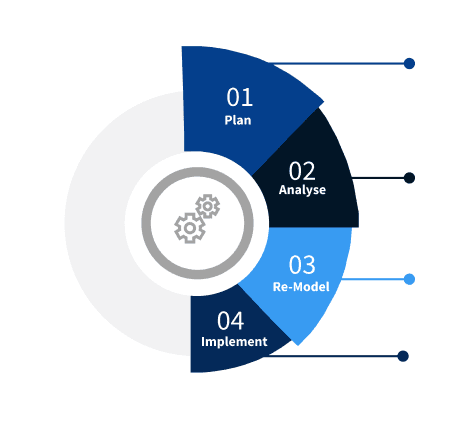
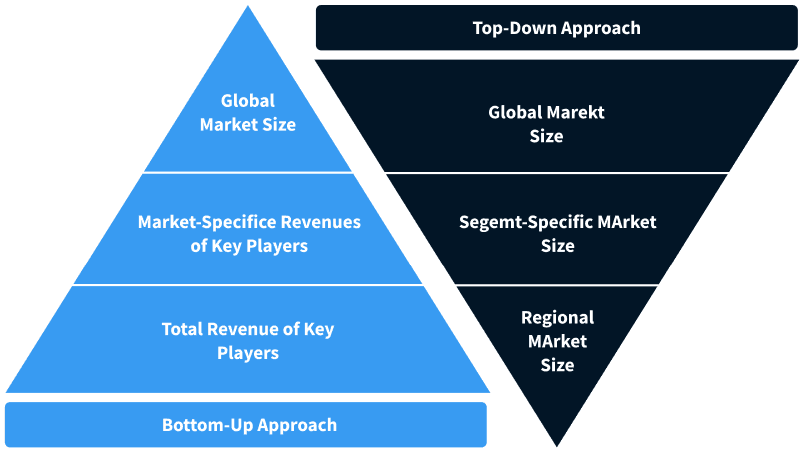
Step 2 - Approaches for Defining Global Market Size (Value, Volume* & Price*)
Note*: In applicable scenarios
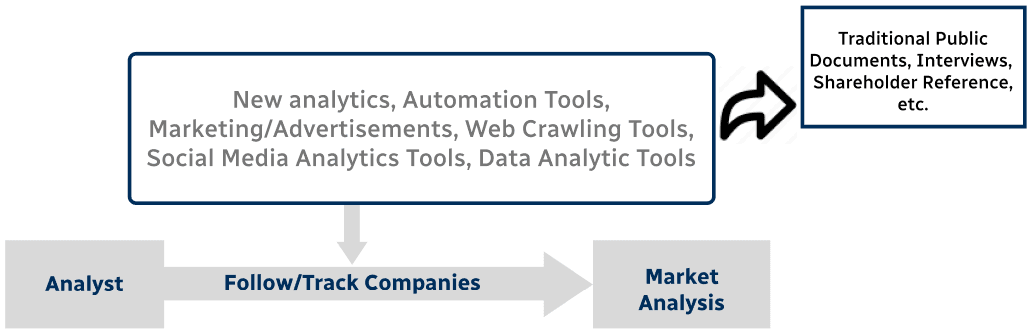
Step 3 - Data Sources
Primary Research
- Web Analytics
- Survey Reports
- Research Institute
- Latest Research Reports
- Opinion Leaders
Secondary Research
- Annual Reports
- White Paper
- Latest Press Release
- Industry Association
- Paid Database
- Investor Presentations
Step 4 - Data Triangulation
Involves using different sources of information in order to increase the validity of a study
These sources are likely to be stakeholders in a program - participants, other researchers, program staff, other community members, and so on.
Then we put all data in single framework & apply various statistical tools to find out the dynamic on the market.
During the analysis stage, feedback from the stakeholder groups would be compared to determine areas of agreement as well as areas of divergence