

Key Insights
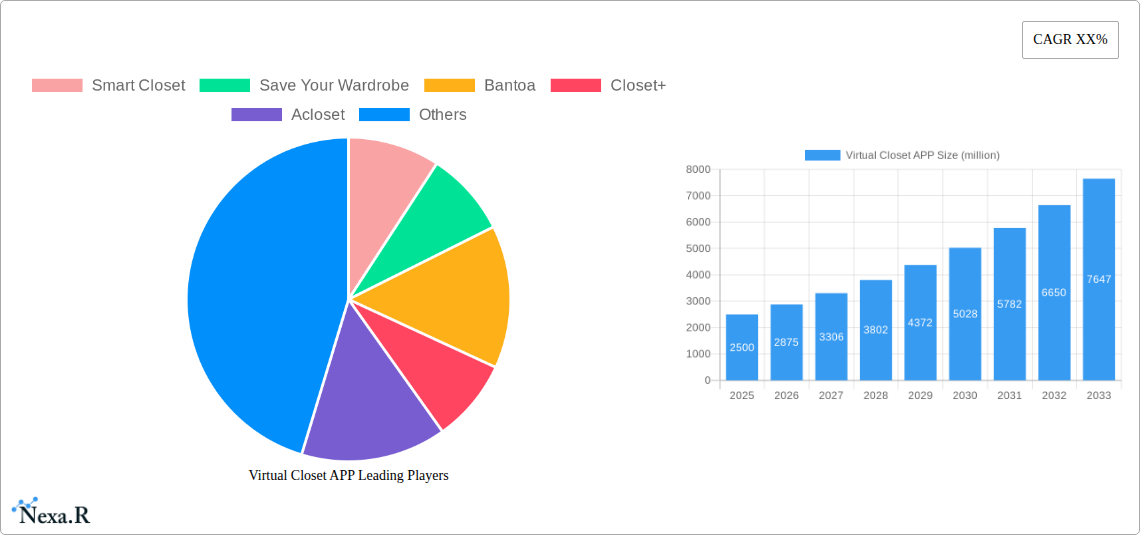
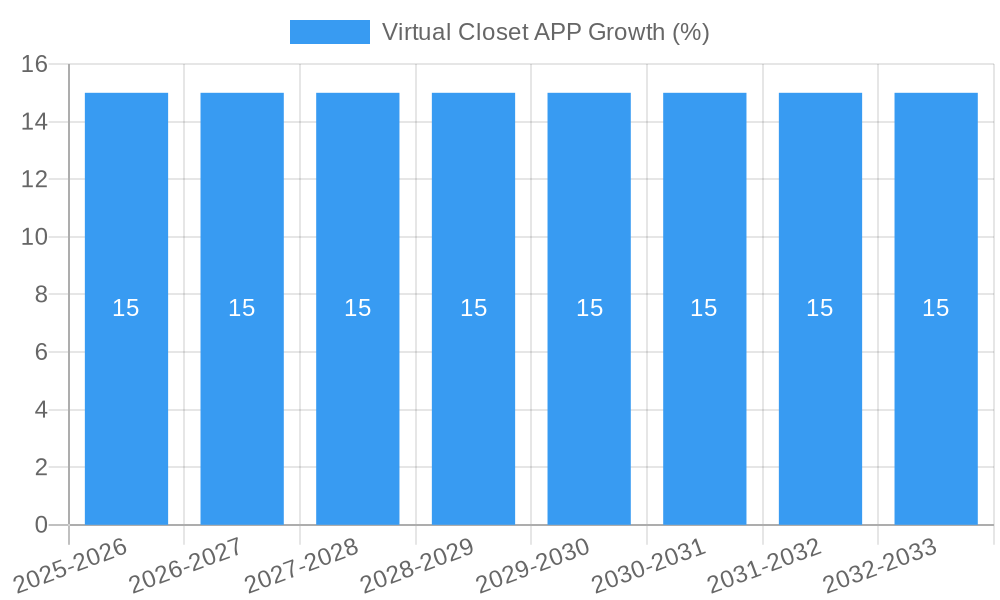
The Virtual Closet App market is poised for substantial expansion, projected to reach an estimated market size of $2,500 million by 2025, with a robust Compound Annual Growth Rate (CAGR) of 15% anticipated to drive its trajectory through 2033. This significant growth is primarily fueled by increasing smartphone penetration and a growing consumer desire for organized, efficient, and personalized wardrobe management. The rise of sustainable fashion and the circular economy further bolsters this market, as virtual closets enable users to rediscover existing items, reduce impulse buying, and extend the lifespan of their clothing. Furthermore, the integration of AI-powered styling suggestions and outfit planning capabilities is enhancing user engagement and driving adoption across both female and male demographics. The Pay-to-Use Model, offering premium features like advanced styling or unlimited storage, is emerging as a dominant revenue stream, closely followed by the Affiliate Commission Model, leveraging partnerships with fashion retailers. The Advertising Model also plays a role, providing targeted promotions to users based on their style preferences, while the Service Model, offering personalized styling consultations, caters to a niche but growing segment.
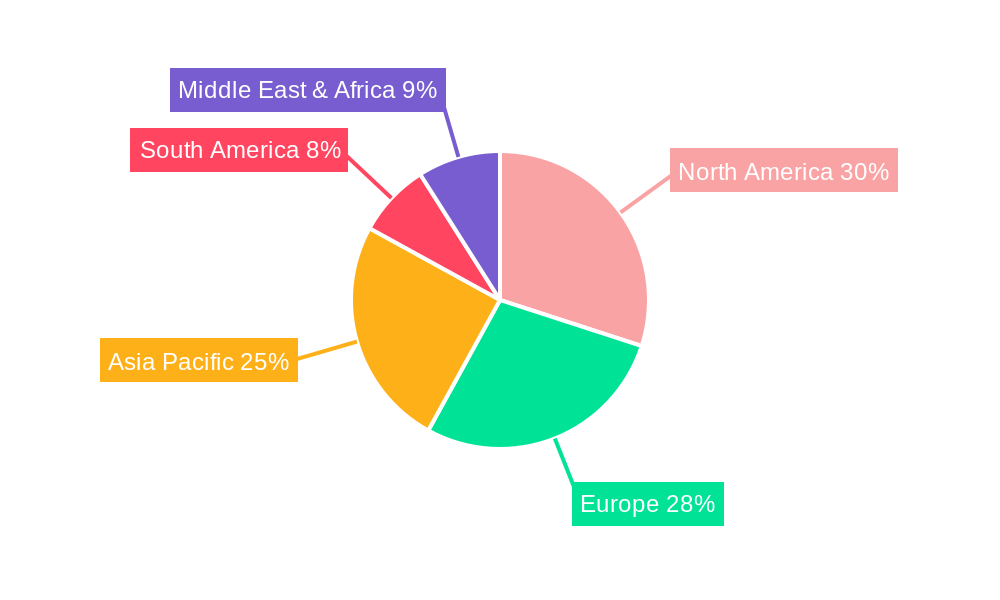
Geographically, North America and Europe are expected to lead the market in terms of value and adoption, owing to higher disposable incomes, a strong inclination towards fashion technology, and established e-commerce ecosystems. However, the Asia Pacific region, particularly China and India, presents the most significant growth potential due to its massive population, rapidly evolving fashion consciousness, and increasing internet accessibility. Key players like Smart Closet, Save Your Wardrobe, and Bantoa are actively innovating, introducing features such as augmented reality try-ons and seamless integration with online shopping platforms. Restraints, such as data privacy concerns and the initial effort required for users to digitize their wardrobes, are being mitigated through user-friendly interfaces and clear value propositions. The market's future is characterized by personalization, sustainability, and technological integration, promising a dynamic and evolving landscape for virtual closet applications.
Virtual Closet APP Market Dynamics & Structure
The virtual closet APP market is characterized by moderate to high market concentration, with a few key players like Smart Closet and Save Your Wardrobe commanding significant portions of the user base. However, the landscape is continuously being reshaped by rapid technological innovation drivers, including AI-powered styling recommendations, advanced fabric recognition, and seamless integration with e-commerce platforms. Regulatory frameworks, while nascent in this niche, are beginning to emerge around data privacy and intellectual property related to digital fashion assets, influencing user trust and adoption. Competitive product substitutes include traditional personal styling services and digital wardrobe management tools. End-user demographics are broadly segmented into Female Users and Male Users, with distinct preferences for functionality and aesthetic. Mergers and Acquisitions (M&A) trends are on the rise as larger tech companies and fashion conglomerates seek to integrate virtual closet solutions into their broader digital strategies, indicating consolidation and strategic expansion.
- Market Share Distribution: Dominant players hold approximately 35-45% of the market share, with the remaining distributed among emerging startups and niche applications.
- Technological Innovations: AI-driven personalized recommendations and augmented reality try-on features are primary innovation drivers.
- Regulatory Influence: Emerging data privacy regulations are shaping user data handling practices.
- M&A Activity: An estimated 8-12 significant M&A deals are projected within the forecast period as industry consolidation accelerates.
Virtual Closet APP Growth Trends & Insights
The virtual closet APP market is poised for substantial expansion, driven by evolving consumer behavior and the increasing digitalization of the fashion industry. The market size, estimated at $1,200 million in the base year of 2025, is projected to witness a robust Compound Annual Growth Rate (CAGR) of 18.5% throughout the forecast period, reaching an impressive $3,500 million by 2033. This growth is underpinned by escalating adoption rates, fueled by the convenience and personalization offered by these applications. Users are increasingly seeking streamlined ways to manage their wardrobes, discover new styling possibilities, and make more informed purchasing decisions. Technological disruptions, such as the integration of blockchain for digital fashion ownership and the advancement of AI for hyper-personalized style curation, are significant catalysts. Consumer behavior shifts, particularly among Gen Z and Millennial demographics, who are digital natives and highly receptive to app-based solutions, are further accelerating market penetration. The inherent convenience of accessing and managing an entire wardrobe digitally, anytime and anywhere, resonates strongly with the modern, on-the-go lifestyle. Furthermore, the growing emphasis on sustainable fashion practices, where virtual closets can help users maximize the wearability of existing garments and reduce impulse purchases, is a key driver. The ongoing evolution of smart garment technology and its potential integration with virtual closet platforms also presents a significant avenue for future growth. The increasing accessibility of smartphones and high-speed internet across global markets further broadens the potential user base, making virtual closet apps a more ubiquitous part of the digital fashion ecosystem. The ability to virtually plan outfits, track wear counts, and receive style advice tailored to individual preferences and existing items is transforming how consumers interact with their clothing.
Dominant Regions, Countries, or Segments in Virtual Closet APP
The Application: Female Users segment is unequivocally the dominant force driving growth in the virtual closet APP market. This segment represents a significant market share, estimated at 70% of the total user base in 2025, and is projected to maintain its leading position throughout the forecast period. The primary drivers behind this dominance are deeply ingrained societal and cultural factors influencing fashion consumption patterns and the higher engagement of female consumers with style-related digital content.
- Female Users:
- Market Share: Account for an estimated 70% of the total user base in 2025.
- Dominance Factors: Higher propensity for wardrobe management, trend-following, and online fashion purchasing. Extensive use of social media for style inspiration and community engagement, aligning perfectly with virtual closet app functionalities.
- Growth Potential: Continued adoption driven by increasing access to smartphones and digital fashion communities, with a projected CAGR of 20% for this segment.
- Key Drivers: Popularity of influencer marketing, desire for personalized styling, and the integration of e-commerce within styling platforms.
The Types: Pay-to-Use Model is also a significant contributor to market growth, particularly as users perceive increasing value and advanced features in premium applications. While Affiliate Commission Model and Advertising Model also play a role, the direct revenue generation from subscriptions often indicates a higher perceived value and commitment from users. The Service Model, encompassing personalized styling advice and wardrobe consultation, is an emerging area with high growth potential, particularly for higher-income demographics.
- Pay-to-Use Model:
- Revenue Contribution: Expected to contribute 55% of the total market revenue by 2025.
- Dominance Factors: Offers advanced features, ad-free experiences, and premium support, attracting users willing to pay for enhanced functionality.
- Growth Potential: Steadily growing as more users recognize the long-term benefits of subscription-based services for curated fashion experiences.
While North America and Europe have historically led in digital adoption, the Asia-Pacific region, particularly with its burgeoning middle class and increasing smartphone penetration, presents immense untapped potential. However, for the current analysis, the Application: Female Users segment, amplified by the Pay-to-Use Model, remains the primary engine of the global virtual closet APP market's expansion.
Virtual Closet APP Product Landscape
The virtual closet APP product landscape is defined by increasing sophistication and user-centric design. Innovations focus on seamless digitization of wardrobes, often through AI-powered image recognition for item cataloging. Key applications include outfit generation based on weather, occasion, and user preferences, smart wardrobe analytics for identifying underutilized items, and virtual try-on features using augmented reality. Performance metrics are centered on user engagement, wardrobe accuracy, and the success rate of outfit recommendations. Unique selling propositions often revolve around personalized styling algorithms, integration with social sharing platforms, and partnerships with fashion brands for direct purchasing. Technological advancements are rapidly enhancing the accuracy of fabric and color detection, improving the realism of virtual try-ons, and enabling more intuitive user interfaces.
Key Drivers, Barriers & Challenges in Virtual Closet APP
Key Drivers: The virtual closet APP market is propelled by a confluence of factors. Technological advancements in AI and AR offer increasingly sophisticated personalization and immersive experiences. The growing consumer demand for convenience and efficient wardrobe management, coupled with the desire for personalized style advice, creates a fertile ground for adoption. The rise of sustainable fashion awareness also drives users to maximize the utility of their existing clothing. Economic factors like disposable income growth and the increasing affordability of smartphones further contribute.
Barriers & Challenges: Despite the promising outlook, significant barriers exist. High initial user effort required for wardrobe digitization can deter some potential users. Data privacy concerns and the security of personal fashion data remain critical challenges, impacting user trust. The cost of developing and maintaining advanced AI and AR features can be substantial for smaller companies. Intense competition from established fashion tech players and the need for continuous innovation to stay relevant present ongoing pressures. Supply chain issues are less direct but can impact the e-commerce integrations that many apps rely on.
Emerging Opportunities in Virtual Closet APP
Emerging opportunities in the virtual closet APP sector lie in the continued expansion of AI capabilities for hyper-personalized styling and trend forecasting. The integration of virtual closets with the metaverse for digital fashion ownership and social experiences presents a significant untapped market. Growing interest in sustainable fashion opens avenues for features promoting circular economy principles, such as clothing swap recommendations and repair service integration. Further opportunities exist in niche markets like plus-size fashion, adaptive clothing, and professional wardrobes, catering to specific user needs with tailored solutions. Partnerships with rental fashion platforms and the development of B2B solutions for fashion retailers are also poised for significant growth.
Growth Accelerators in the Virtual Closet APP Industry
Several catalysts are accelerating the growth of the virtual closet APP industry. The rapid advancement and decreasing cost of AI and machine learning algorithms are enabling more powerful personalization engines and sophisticated styling recommendations. Strategic partnerships between virtual closet app developers and established fashion brands, retailers, and e-commerce platforms are expanding user reach and integrating the virtual closet experience seamlessly into the fashion ecosystem. The increasing adoption of augmented reality technology by consumers for virtual try-ons is also a significant growth accelerator, making the digital wardrobe experience more tangible and engaging. Furthermore, the growing focus on data analytics by brands and retailers, leveraging insights from user wardrobe data, incentivizes further development and adoption of these platforms.
Key Players Shaping the Virtual Closet APP Market
- Smart Closet
- Save Your Wardrobe
- Bantoa
- Closet+
- Acloset
- Getwardrobe
- OpenWardrobe
- My Dressing
- Your Closet
- Pronti AI
- Combyne
- LookScope
- XZ Closet
- Cladwell
- Pureple
- Whering
- Stylebook
- Indyx Inc.
- Vera
Notable Milestones in Virtual Closet APP Sector
- 2019: Increased adoption of AI for personalized styling recommendations gains traction.
- 2020: AR-powered virtual try-on features begin to emerge, enhancing user engagement.
- 2021: Several virtual closet apps achieve significant funding rounds, indicating investor confidence.
- 2022: Focus intensifies on sustainable fashion integration and wardrobe optimization features.
- 2023: Strategic partnerships with major fashion retailers accelerate market penetration.
- 2024: Advancements in image recognition technology improve wardrobe digitization accuracy.
In-Depth Virtual Closet APP Market Outlook
The virtual closet APP market outlook remains exceptionally positive, driven by sustained technological innovation and evolving consumer behavior. The convergence of AI, AR, and the growing demand for personalized, sustainable fashion solutions positions these applications for widespread adoption. Growth accelerators, including strategic partnerships and the increasing acceptance of digital fashion experiences, will further fuel market expansion. Future opportunities in areas like the metaverse and hyper-niche segment catering will unlock new revenue streams and user engagement models. The market is expected to mature into an indispensable tool for fashion consumers, transforming how individuals interact with their wardrobes and make purchasing decisions.
Virtual Closet APP Segmentation
-
1. Application
- 1.1. Female Users
- 1.2. Male Users
-
2. Types
- 2.1. Pay-to-Use Model
- 2.2. Affiliate Commission Model
- 2.3. Advertising Model
- 2.4. Service Model
Virtual Closet APP Segmentation By Geography
-
1. North America
- 1.1. United States
- 1.2. Canada
- 1.3. Mexico
-
2. South America
- 2.1. Brazil
- 2.2. Argentina
- 2.3. Rest of South America
-
3. Europe
- 3.1. United Kingdom
- 3.2. Germany
- 3.3. France
- 3.4. Italy
- 3.5. Spain
- 3.6. Russia
- 3.7. Benelux
- 3.8. Nordics
- 3.9. Rest of Europe
-
4. Middle East & Africa
- 4.1. Turkey
- 4.2. Israel
- 4.3. GCC
- 4.4. North Africa
- 4.5. South Africa
- 4.6. Rest of Middle East & Africa
-
5. Asia Pacific
- 5.1. China
- 5.2. India
- 5.3. Japan
- 5.4. South Korea
- 5.5. ASEAN
- 5.6. Oceania
- 5.7. Rest of Asia Pacific
Virtual Closet APP REPORT HIGHLIGHTS
| Aspects | Details |
|---|---|
| Study Period | 2019-2033 |
| Base Year | 2024 |
| Estimated Year | 2025 |
| Forecast Period | 2025-2033 |
| Historical Period | 2019-2024 |
| Growth Rate | CAGR of XX% from 2019-2033 |
| Segmentation |
|
Table of Contents
- 1. Introduction
- 1.1. Research Scope
- 1.2. Market Segmentation
- 1.3. Research Methodology
- 1.4. Definitions and Assumptions
- 2. Executive Summary
- 2.1. Introduction
- 3. Market Dynamics
- 3.1. Introduction
- 3.2. Market Drivers
- 3.3. Market Restrains
- 3.4. Market Trends
- 4. Market Factor Analysis
- 4.1. Porters Five Forces
- 4.2. Supply/Value Chain
- 4.3. PESTEL analysis
- 4.4. Market Entropy
- 4.5. Patent/Trademark Analysis
- 5. Global Virtual Closet APP Analysis, Insights and Forecast, 2019-2031
- 5.1. Market Analysis, Insights and Forecast - by Application
- 5.1.1. Female Users
- 5.1.2. Male Users
- 5.2. Market Analysis, Insights and Forecast - by Types
- 5.2.1. Pay-to-Use Model
- 5.2.2. Affiliate Commission Model
- 5.2.3. Advertising Model
- 5.2.4. Service Model
- 5.3. Market Analysis, Insights and Forecast - by Region
- 5.3.1. North America
- 5.3.2. South America
- 5.3.3. Europe
- 5.3.4. Middle East & Africa
- 5.3.5. Asia Pacific
- 5.1. Market Analysis, Insights and Forecast - by Application
- 6. North America Virtual Closet APP Analysis, Insights and Forecast, 2019-2031
- 6.1. Market Analysis, Insights and Forecast - by Application
- 6.1.1. Female Users
- 6.1.2. Male Users
- 6.2. Market Analysis, Insights and Forecast - by Types
- 6.2.1. Pay-to-Use Model
- 6.2.2. Affiliate Commission Model
- 6.2.3. Advertising Model
- 6.2.4. Service Model
- 6.1. Market Analysis, Insights and Forecast - by Application
- 7. South America Virtual Closet APP Analysis, Insights and Forecast, 2019-2031
- 7.1. Market Analysis, Insights and Forecast - by Application
- 7.1.1. Female Users
- 7.1.2. Male Users
- 7.2. Market Analysis, Insights and Forecast - by Types
- 7.2.1. Pay-to-Use Model
- 7.2.2. Affiliate Commission Model
- 7.2.3. Advertising Model
- 7.2.4. Service Model
- 7.1. Market Analysis, Insights and Forecast - by Application
- 8. Europe Virtual Closet APP Analysis, Insights and Forecast, 2019-2031
- 8.1. Market Analysis, Insights and Forecast - by Application
- 8.1.1. Female Users
- 8.1.2. Male Users
- 8.2. Market Analysis, Insights and Forecast - by Types
- 8.2.1. Pay-to-Use Model
- 8.2.2. Affiliate Commission Model
- 8.2.3. Advertising Model
- 8.2.4. Service Model
- 8.1. Market Analysis, Insights and Forecast - by Application
- 9. Middle East & Africa Virtual Closet APP Analysis, Insights and Forecast, 2019-2031
- 9.1. Market Analysis, Insights and Forecast - by Application
- 9.1.1. Female Users
- 9.1.2. Male Users
- 9.2. Market Analysis, Insights and Forecast - by Types
- 9.2.1. Pay-to-Use Model
- 9.2.2. Affiliate Commission Model
- 9.2.3. Advertising Model
- 9.2.4. Service Model
- 9.1. Market Analysis, Insights and Forecast - by Application
- 10. Asia Pacific Virtual Closet APP Analysis, Insights and Forecast, 2019-2031
- 10.1. Market Analysis, Insights and Forecast - by Application
- 10.1.1. Female Users
- 10.1.2. Male Users
- 10.2. Market Analysis, Insights and Forecast - by Types
- 10.2.1. Pay-to-Use Model
- 10.2.2. Affiliate Commission Model
- 10.2.3. Advertising Model
- 10.2.4. Service Model
- 10.1. Market Analysis, Insights and Forecast - by Application
- 11. Competitive Analysis
- 11.1. Global Market Share Analysis 2024
- 11.2. Company Profiles
- 11.2.1 Smart Closet
- 11.2.1.1. Overview
- 11.2.1.2. Products
- 11.2.1.3. SWOT Analysis
- 11.2.1.4. Recent Developments
- 11.2.1.5. Financials (Based on Availability)
- 11.2.2 Save Your Wardrobe
- 11.2.2.1. Overview
- 11.2.2.2. Products
- 11.2.2.3. SWOT Analysis
- 11.2.2.4. Recent Developments
- 11.2.2.5. Financials (Based on Availability)
- 11.2.3 Bantoa
- 11.2.3.1. Overview
- 11.2.3.2. Products
- 11.2.3.3. SWOT Analysis
- 11.2.3.4. Recent Developments
- 11.2.3.5. Financials (Based on Availability)
- 11.2.4 Closet+
- 11.2.4.1. Overview
- 11.2.4.2. Products
- 11.2.4.3. SWOT Analysis
- 11.2.4.4. Recent Developments
- 11.2.4.5. Financials (Based on Availability)
- 11.2.5 Acloset
- 11.2.5.1. Overview
- 11.2.5.2. Products
- 11.2.5.3. SWOT Analysis
- 11.2.5.4. Recent Developments
- 11.2.5.5. Financials (Based on Availability)
- 11.2.6 Getwardrobe
- 11.2.6.1. Overview
- 11.2.6.2. Products
- 11.2.6.3. SWOT Analysis
- 11.2.6.4. Recent Developments
- 11.2.6.5. Financials (Based on Availability)
- 11.2.7 OpenWardrobe
- 11.2.7.1. Overview
- 11.2.7.2. Products
- 11.2.7.3. SWOT Analysis
- 11.2.7.4. Recent Developments
- 11.2.7.5. Financials (Based on Availability)
- 11.2.8 My Dressing
- 11.2.8.1. Overview
- 11.2.8.2. Products
- 11.2.8.3. SWOT Analysis
- 11.2.8.4. Recent Developments
- 11.2.8.5. Financials (Based on Availability)
- 11.2.9 Your Closet
- 11.2.9.1. Overview
- 11.2.9.2. Products
- 11.2.9.3. SWOT Analysis
- 11.2.9.4. Recent Developments
- 11.2.9.5. Financials (Based on Availability)
- 11.2.10 Pronti AI
- 11.2.10.1. Overview
- 11.2.10.2. Products
- 11.2.10.3. SWOT Analysis
- 11.2.10.4. Recent Developments
- 11.2.10.5. Financials (Based on Availability)
- 11.2.11 Combyne
- 11.2.11.1. Overview
- 11.2.11.2. Products
- 11.2.11.3. SWOT Analysis
- 11.2.11.4. Recent Developments
- 11.2.11.5. Financials (Based on Availability)
- 11.2.12 LookScope
- 11.2.12.1. Overview
- 11.2.12.2. Products
- 11.2.12.3. SWOT Analysis
- 11.2.12.4. Recent Developments
- 11.2.12.5. Financials (Based on Availability)
- 11.2.13 XZ Closet
- 11.2.13.1. Overview
- 11.2.13.2. Products
- 11.2.13.3. SWOT Analysis
- 11.2.13.4. Recent Developments
- 11.2.13.5. Financials (Based on Availability)
- 11.2.14 Cladwell
- 11.2.14.1. Overview
- 11.2.14.2. Products
- 11.2.14.3. SWOT Analysis
- 11.2.14.4. Recent Developments
- 11.2.14.5. Financials (Based on Availability)
- 11.2.15 Pureple
- 11.2.15.1. Overview
- 11.2.15.2. Products
- 11.2.15.3. SWOT Analysis
- 11.2.15.4. Recent Developments
- 11.2.15.5. Financials (Based on Availability)
- 11.2.16 Whering
- 11.2.16.1. Overview
- 11.2.16.2. Products
- 11.2.16.3. SWOT Analysis
- 11.2.16.4. Recent Developments
- 11.2.16.5. Financials (Based on Availability)
- 11.2.17 Stylebook
- 11.2.17.1. Overview
- 11.2.17.2. Products
- 11.2.17.3. SWOT Analysis
- 11.2.17.4. Recent Developments
- 11.2.17.5. Financials (Based on Availability)
- 11.2.18 Indyx Inc.
- 11.2.18.1. Overview
- 11.2.18.2. Products
- 11.2.18.3. SWOT Analysis
- 11.2.18.4. Recent Developments
- 11.2.18.5. Financials (Based on Availability)
- 11.2.19 Vera
- 11.2.19.1. Overview
- 11.2.19.2. Products
- 11.2.19.3. SWOT Analysis
- 11.2.19.4. Recent Developments
- 11.2.19.5. Financials (Based on Availability)
- 11.2.1 Smart Closet
List of Figures
- Figure 1: Global Virtual Closet APP Revenue Breakdown (million, %) by Region 2024 & 2032
- Figure 2: North America Virtual Closet APP Revenue (million), by Application 2024 & 2032
- Figure 3: North America Virtual Closet APP Revenue Share (%), by Application 2024 & 2032
- Figure 4: North America Virtual Closet APP Revenue (million), by Types 2024 & 2032
- Figure 5: North America Virtual Closet APP Revenue Share (%), by Types 2024 & 2032
- Figure 6: North America Virtual Closet APP Revenue (million), by Country 2024 & 2032
- Figure 7: North America Virtual Closet APP Revenue Share (%), by Country 2024 & 2032
- Figure 8: South America Virtual Closet APP Revenue (million), by Application 2024 & 2032
- Figure 9: South America Virtual Closet APP Revenue Share (%), by Application 2024 & 2032
- Figure 10: South America Virtual Closet APP Revenue (million), by Types 2024 & 2032
- Figure 11: South America Virtual Closet APP Revenue Share (%), by Types 2024 & 2032
- Figure 12: South America Virtual Closet APP Revenue (million), by Country 2024 & 2032
- Figure 13: South America Virtual Closet APP Revenue Share (%), by Country 2024 & 2032
- Figure 14: Europe Virtual Closet APP Revenue (million), by Application 2024 & 2032
- Figure 15: Europe Virtual Closet APP Revenue Share (%), by Application 2024 & 2032
- Figure 16: Europe Virtual Closet APP Revenue (million), by Types 2024 & 2032
- Figure 17: Europe Virtual Closet APP Revenue Share (%), by Types 2024 & 2032
- Figure 18: Europe Virtual Closet APP Revenue (million), by Country 2024 & 2032
- Figure 19: Europe Virtual Closet APP Revenue Share (%), by Country 2024 & 2032
- Figure 20: Middle East & Africa Virtual Closet APP Revenue (million), by Application 2024 & 2032
- Figure 21: Middle East & Africa Virtual Closet APP Revenue Share (%), by Application 2024 & 2032
- Figure 22: Middle East & Africa Virtual Closet APP Revenue (million), by Types 2024 & 2032
- Figure 23: Middle East & Africa Virtual Closet APP Revenue Share (%), by Types 2024 & 2032
- Figure 24: Middle East & Africa Virtual Closet APP Revenue (million), by Country 2024 & 2032
- Figure 25: Middle East & Africa Virtual Closet APP Revenue Share (%), by Country 2024 & 2032
- Figure 26: Asia Pacific Virtual Closet APP Revenue (million), by Application 2024 & 2032
- Figure 27: Asia Pacific Virtual Closet APP Revenue Share (%), by Application 2024 & 2032
- Figure 28: Asia Pacific Virtual Closet APP Revenue (million), by Types 2024 & 2032
- Figure 29: Asia Pacific Virtual Closet APP Revenue Share (%), by Types 2024 & 2032
- Figure 30: Asia Pacific Virtual Closet APP Revenue (million), by Country 2024 & 2032
- Figure 31: Asia Pacific Virtual Closet APP Revenue Share (%), by Country 2024 & 2032
List of Tables
- Table 1: Global Virtual Closet APP Revenue million Forecast, by Region 2019 & 2032
- Table 2: Global Virtual Closet APP Revenue million Forecast, by Application 2019 & 2032
- Table 3: Global Virtual Closet APP Revenue million Forecast, by Types 2019 & 2032
- Table 4: Global Virtual Closet APP Revenue million Forecast, by Region 2019 & 2032
- Table 5: Global Virtual Closet APP Revenue million Forecast, by Application 2019 & 2032
- Table 6: Global Virtual Closet APP Revenue million Forecast, by Types 2019 & 2032
- Table 7: Global Virtual Closet APP Revenue million Forecast, by Country 2019 & 2032
- Table 8: United States Virtual Closet APP Revenue (million) Forecast, by Application 2019 & 2032
- Table 9: Canada Virtual Closet APP Revenue (million) Forecast, by Application 2019 & 2032
- Table 10: Mexico Virtual Closet APP Revenue (million) Forecast, by Application 2019 & 2032
- Table 11: Global Virtual Closet APP Revenue million Forecast, by Application 2019 & 2032
- Table 12: Global Virtual Closet APP Revenue million Forecast, by Types 2019 & 2032
- Table 13: Global Virtual Closet APP Revenue million Forecast, by Country 2019 & 2032
- Table 14: Brazil Virtual Closet APP Revenue (million) Forecast, by Application 2019 & 2032
- Table 15: Argentina Virtual Closet APP Revenue (million) Forecast, by Application 2019 & 2032
- Table 16: Rest of South America Virtual Closet APP Revenue (million) Forecast, by Application 2019 & 2032
- Table 17: Global Virtual Closet APP Revenue million Forecast, by Application 2019 & 2032
- Table 18: Global Virtual Closet APP Revenue million Forecast, by Types 2019 & 2032
- Table 19: Global Virtual Closet APP Revenue million Forecast, by Country 2019 & 2032
- Table 20: United Kingdom Virtual Closet APP Revenue (million) Forecast, by Application 2019 & 2032
- Table 21: Germany Virtual Closet APP Revenue (million) Forecast, by Application 2019 & 2032
- Table 22: France Virtual Closet APP Revenue (million) Forecast, by Application 2019 & 2032
- Table 23: Italy Virtual Closet APP Revenue (million) Forecast, by Application 2019 & 2032
- Table 24: Spain Virtual Closet APP Revenue (million) Forecast, by Application 2019 & 2032
- Table 25: Russia Virtual Closet APP Revenue (million) Forecast, by Application 2019 & 2032
- Table 26: Benelux Virtual Closet APP Revenue (million) Forecast, by Application 2019 & 2032
- Table 27: Nordics Virtual Closet APP Revenue (million) Forecast, by Application 2019 & 2032
- Table 28: Rest of Europe Virtual Closet APP Revenue (million) Forecast, by Application 2019 & 2032
- Table 29: Global Virtual Closet APP Revenue million Forecast, by Application 2019 & 2032
- Table 30: Global Virtual Closet APP Revenue million Forecast, by Types 2019 & 2032
- Table 31: Global Virtual Closet APP Revenue million Forecast, by Country 2019 & 2032
- Table 32: Turkey Virtual Closet APP Revenue (million) Forecast, by Application 2019 & 2032
- Table 33: Israel Virtual Closet APP Revenue (million) Forecast, by Application 2019 & 2032
- Table 34: GCC Virtual Closet APP Revenue (million) Forecast, by Application 2019 & 2032
- Table 35: North Africa Virtual Closet APP Revenue (million) Forecast, by Application 2019 & 2032
- Table 36: South Africa Virtual Closet APP Revenue (million) Forecast, by Application 2019 & 2032
- Table 37: Rest of Middle East & Africa Virtual Closet APP Revenue (million) Forecast, by Application 2019 & 2032
- Table 38: Global Virtual Closet APP Revenue million Forecast, by Application 2019 & 2032
- Table 39: Global Virtual Closet APP Revenue million Forecast, by Types 2019 & 2032
- Table 40: Global Virtual Closet APP Revenue million Forecast, by Country 2019 & 2032
- Table 41: China Virtual Closet APP Revenue (million) Forecast, by Application 2019 & 2032
- Table 42: India Virtual Closet APP Revenue (million) Forecast, by Application 2019 & 2032
- Table 43: Japan Virtual Closet APP Revenue (million) Forecast, by Application 2019 & 2032
- Table 44: South Korea Virtual Closet APP Revenue (million) Forecast, by Application 2019 & 2032
- Table 45: ASEAN Virtual Closet APP Revenue (million) Forecast, by Application 2019 & 2032
- Table 46: Oceania Virtual Closet APP Revenue (million) Forecast, by Application 2019 & 2032
- Table 47: Rest of Asia Pacific Virtual Closet APP Revenue (million) Forecast, by Application 2019 & 2032
Frequently Asked Questions
1. What is the projected Compound Annual Growth Rate (CAGR) of the Virtual Closet APP?
The projected CAGR is approximately XX%.
2. Which companies are prominent players in the Virtual Closet APP?
Key companies in the market include Smart Closet, Save Your Wardrobe, Bantoa, Closet+, Acloset, Getwardrobe, OpenWardrobe, My Dressing, Your Closet, Pronti AI, Combyne, LookScope, XZ Closet, Cladwell, Pureple, Whering, Stylebook, Indyx Inc., Vera.
3. What are the main segments of the Virtual Closet APP?
The market segments include Application, Types.
4. Can you provide details about the market size?
The market size is estimated to be USD XXX million as of 2022.
5. What are some drivers contributing to market growth?
N/A
6. What are the notable trends driving market growth?
N/A
7. Are there any restraints impacting market growth?
N/A
8. Can you provide examples of recent developments in the market?
N/A
9. What pricing options are available for accessing the report?
Pricing options include single-user, multi-user, and enterprise licenses priced at USD 2900.00, USD 4350.00, and USD 5800.00 respectively.
10. Is the market size provided in terms of value or volume?
The market size is provided in terms of value, measured in million.
11. Are there any specific market keywords associated with the report?
Yes, the market keyword associated with the report is "Virtual Closet APP," which aids in identifying and referencing the specific market segment covered.
12. How do I determine which pricing option suits my needs best?
The pricing options vary based on user requirements and access needs. Individual users may opt for single-user licenses, while businesses requiring broader access may choose multi-user or enterprise licenses for cost-effective access to the report.
13. Are there any additional resources or data provided in the Virtual Closet APP report?
While the report offers comprehensive insights, it's advisable to review the specific contents or supplementary materials provided to ascertain if additional resources or data are available.
14. How can I stay updated on further developments or reports in the Virtual Closet APP?
To stay informed about further developments, trends, and reports in the Virtual Closet APP, consider subscribing to industry newsletters, following relevant companies and organizations, or regularly checking reputable industry news sources and publications.
Methodology
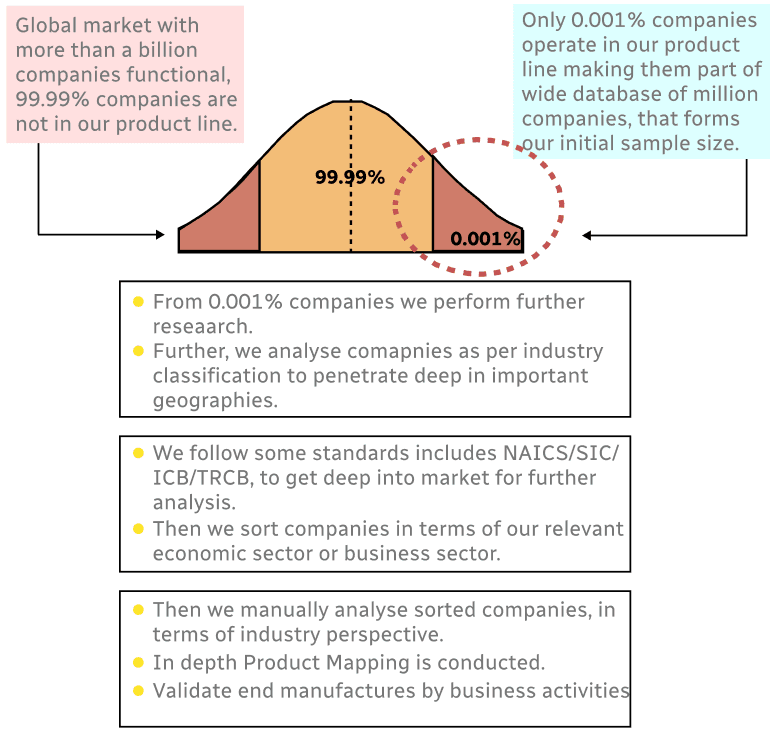
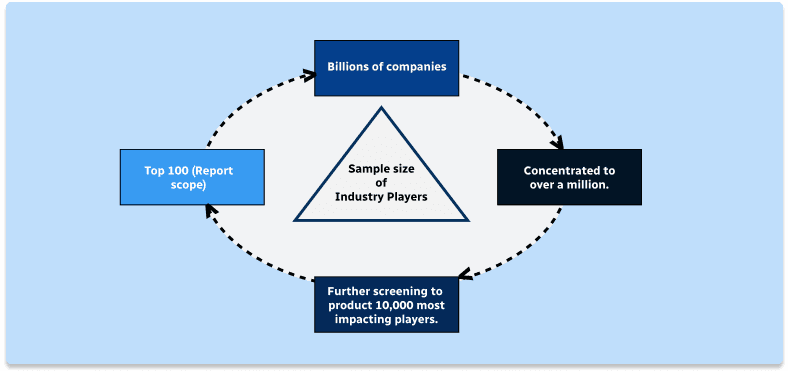
Step 1 - Identification of Relevant Samples Size from Population Database
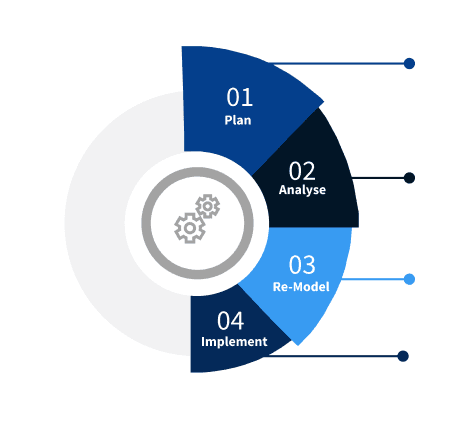
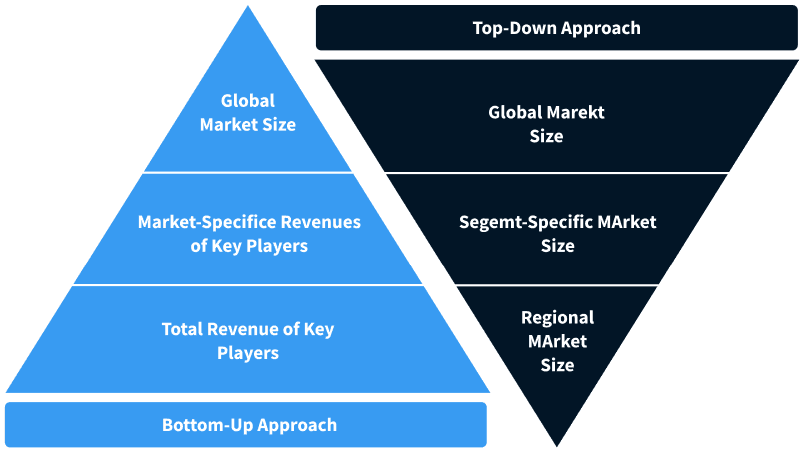
Step 2 - Approaches for Defining Global Market Size (Value, Volume* & Price*)
Note*: In applicable scenarios
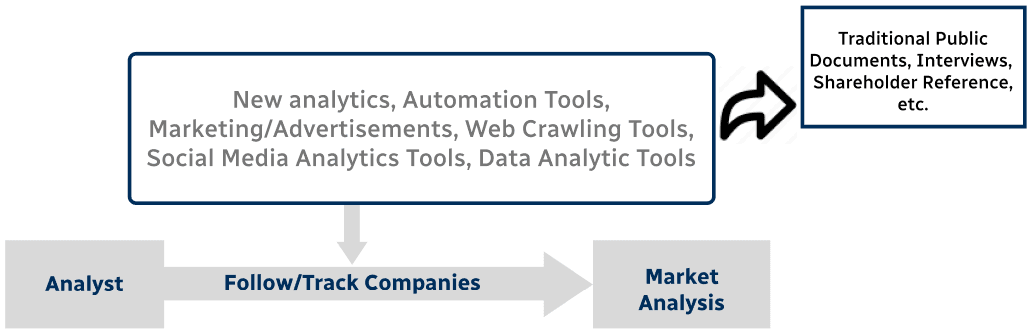
Step 3 - Data Sources
Primary Research
- Web Analytics
- Survey Reports
- Research Institute
- Latest Research Reports
- Opinion Leaders
Secondary Research
- Annual Reports
- White Paper
- Latest Press Release
- Industry Association
- Paid Database
- Investor Presentations
Step 4 - Data Triangulation
Involves using different sources of information in order to increase the validity of a study
These sources are likely to be stakeholders in a program - participants, other researchers, program staff, other community members, and so on.
Then we put all data in single framework & apply various statistical tools to find out the dynamic on the market.
During the analysis stage, feedback from the stakeholder groups would be compared to determine areas of agreement as well as areas of divergence