

Key Insights
The global tissue paper market, valued at $20.85 billion in 2025, is projected to experience robust growth, driven by several key factors. Rising disposable incomes, particularly in developing economies, are fueling increased consumption of tissue products like bathroom tissue, paper towels, and facial tissues. Furthermore, heightened awareness of hygiene and sanitation, especially post-pandemic, continues to boost demand. The market is segmented by raw material (BSK, BHK, HYP, and others), product type (bathroom tissue, paper napkins, paper towels, facial tissues, specialty & wrapping tissue), and distribution channel (at-home and away-from-home). The at-home segment currently dominates, reflecting individual consumption patterns, while the away-from-home segment is showing promising growth potential, driven by increased adoption in public spaces and commercial establishments. Innovation in product offerings, such as eco-friendly and sustainable tissue options made from recycled materials, is a significant trend. However, fluctuating raw material prices and environmental concerns related to pulp production pose potential challenges to the industry's growth trajectory. Major players like Procter & Gamble, Kimberly-Clark, Essity, and Cascades are actively shaping the market through strategic acquisitions, product diversification, and expansion into new geographies.
The competitive landscape is characterized by both large multinational corporations and regional players. The North American and European markets currently hold significant market share, owing to high per capita consumption and established distribution networks. However, the Asia-Pacific region is expected to witness substantial growth in the coming years due to increasing urbanization, rising population, and improving living standards. Considering a CAGR of 5.68%, the market is expected to reach approximately $27.7 billion by 2030 and potentially exceed $35 billion by 2033, reflecting the continued expansion of this essential consumer goods sector. Challenges include managing the environmental impact of production, ensuring consistent supply chain stability amidst global economic fluctuations, and maintaining competitive pricing in a saturated market.

Tissue Industry Market Report: 2019-2033
This comprehensive report provides an in-depth analysis of the global tissue industry, encompassing market dynamics, growth trends, regional segmentation, product landscape, and key players. With a study period spanning 2019-2033, a base year of 2025, and a forecast period of 2025-2033, this report is an essential resource for industry professionals seeking actionable insights and strategic guidance. The report covers the parent market of Personal Care Products and the child market of Tissue Products. All values are presented in million units.
Tissue Industry Market Dynamics & Structure
The tissue industry is characterized by a dynamic and evolving market structure, influenced by a blend of global giants and specialized regional players. Economies of scale in production, sophisticated distribution networks, and strategic mergers and acquisitions are key determinants of market concentration. Continuous technological innovation, particularly in areas like pulp processing, converting technologies, and sustainable material development, is paramount for driving efficiency, enhancing product performance, and achieving market differentiation. The industry operates within an increasingly stringent regulatory landscape, with a strong emphasis on sustainable raw material sourcing, responsible waste management, and minimizing environmental impact. Competitive pressures stem not only from within the tissue sector but also from the growing adoption of reusable alternatives and innovative packaging solutions that aim to reduce single-use product consumption. End-user demographics, especially the rising middle class and changing lifestyle preferences in emerging economies, play a pivotal role in shaping demand patterns and driving market growth.
- Market Concentration: The market is moderately concentrated, with the top 5 players collectively holding approximately 60-70% of the global market share in 2024.
- M&A Activity: Over 25-35 significant merger and acquisition deals were recorded between 2019-2024, with an average deal value ranging from $50-$150 million, reflecting consolidation and strategic expansion efforts.
- Innovation Barriers: Significant capital investment required for advanced manufacturing technologies and ongoing compliance with evolving environmental and product safety regulations present considerable challenges to rapid innovation.
- Substitute Products: The increasing consumer and regulatory focus on sustainability and waste reduction is accelerating the adoption of reusable cloths, biodegradable alternatives, and smart dispensing systems, posing a notable threat to the demand for conventional disposable tissue products.
Tissue Industry Growth Trends & Insights
The global tissue market has demonstrated robust and consistent growth over the historical period (2019-2024). This expansion has been fueled by a confluence of factors, including rising disposable incomes, significant population growth, and a discernible shift in consumer preferences towards products offering enhanced convenience, superior hygiene, and greater sustainability. The market is witnessing a pronounced trend towards premium tissue products, distinguished by their enhanced softness, absorbency, and eco-friendly attributes. Concurrently, advancements in manufacturing technologies have led to greater operational efficiencies and cost reductions, thereby improving product affordability and expanding market penetration, particularly in developing regions. The increasing emphasis on personal hygiene and the demand for convenient household solutions are fundamental drivers propelling the market forward.
- Market Size (2024): The global tissue market is estimated to be valued at approximately $120-$150 billion in 2024.
- CAGR (2019-2024): The market is projected to have grown at a Compound Annual Growth Rate (CAGR) of 4.5% - 5.5% between 2019 and 2024.
- Market Penetration (2024): Market penetration for tissue products stands at approximately 85-90% in developed economies and is rapidly increasing, reaching 60-70% in key emerging markets.
- Technological Disruptions: Key disruptors include the widespread adoption of automation and AI in manufacturing for enhanced efficiency and quality control, the development of novel biodegradable and compostable materials, and the integration of smart technologies in packaging and product delivery systems.
Dominant Regions, Countries, or Segments in Tissue Industry
North America and Europe currently dominate the tissue market, driven by high per capita consumption and established infrastructure. However, Asia-Pacific is experiencing rapid growth due to its expanding population and increasing disposable incomes. Within product segments, bathroom tissue remains the largest, followed by paper towels and facial tissues. Bleached Softwood Kraft Pulp (BSK) is the leading raw material, accounting for the largest share, followed by High Yield Pulp (HYP). The “At Home” segment constitutes the largest portion of the market.
- Leading Region: North America (Market Share: xx%)
- Fastest-Growing Region: Asia-Pacific (CAGR: xx%)
- Largest Product Segment: Bathroom Tissue (Market Share: xx%)
- Dominant Raw Material: BSK (Market Share: xx%)
Tissue Industry Product Landscape
The product portfolio within the tissue industry is exceptionally broad, encompassing everything from essential bathroom and facial tissues to highly specialized industrial wipes, paper towels, and decorative napkins. Recent product development efforts are heavily focused on achieving superior levels of softness, enhanced absorbency, and significantly improved environmental performance. A prominent trend is the increasing integration of sustainable raw materials, such as recycled fibers and sustainably managed virgin pulp, alongside the adoption of innovative, eco-friendly packaging solutions. Product differentiation is achieved by focusing on key performance metrics like tensile strength, lint-free properties, and exceptional absorbency. Manufacturers are increasingly leveraging unique selling propositions that highlight their commitment to sustainability, stringent hygiene standards, and the delivery of a premium consumer experience.
Key Drivers, Barriers & Challenges in Tissue Industry
Key Drivers:
- Increasing disposable incomes in developing economies.
- Growing awareness of hygiene and sanitation.
- Technological advancements in pulp and tissue production.
- Expanding e-commerce and rising demand for packaging materials.
Challenges:
- Fluctuations in raw material prices (Pulp costs impacting profitability).
- Stringent environmental regulations.
- Intense competition among established players.
- Supply chain disruptions and logistics challenges.
Emerging Opportunities in Tissue Industry
- Growing demand for sustainable and eco-friendly tissue products.
- Expansion into emerging markets with high growth potential.
- Development of innovative product applications in healthcare and industrial sectors.
- Customization and personalization of tissue products to cater to specific consumer needs.
Growth Accelerators in the Tissue Industry
Future growth in the tissue industry will be significantly propelled by ongoing technological advancements in manufacturing processes, leading to greater efficiency, reduced waste, and enhanced product quality. Strategic investments in the development and utilization of sustainable raw materials and pioneering eco-friendly packaging solutions will be critical. Fostering robust strategic partnerships and collaborative initiatives across the entire value chain, from raw material suppliers to end-consumers, will be instrumental in building supply chain resilience and fostering innovation. Expanding market penetration into untapped geographical regions and meticulously catering to the evolving consumer demand for premium, specialized, and environmentally responsible tissue products will serve as powerful catalysts for market expansion.
Key Players Shaping the Tissue Industry Market
- Kruger Products
- Cascades Tissue Group Inc
- Procter & Gamble
- Clearwater Paper Corporation
- Wausau Paper Corporation
- Essity
- Asia Pulp and Paper (APP)
- Sofidel Group
- Georgia Pacific LLC
- Kimberly-Clark Corporation
- SCA (Svenska Cellulosa Aktiebolaget)
Notable Milestones in Tissue Industry Sector
- January 2022: Crown Paper Mill (CPM) planned a new tissue mill in Saudi Arabia with a 60,000 MT annual capacity.
- October 2022: Sealed Air launched QuikWrap Nano and QuikWrap M, ready-to-roll paper wrapping systems for e-commerce.
In-Depth Tissue Industry Market Outlook
The tissue industry is poised for continued growth, driven by factors such as rising disposable incomes, increased hygiene awareness, and sustainable product development. Strategic investments in innovation, supply chain optimization, and market expansion will be crucial for capturing future market opportunities. The focus on sustainable practices and environmentally friendly products will shape future industry trends.
Tissue Industry Segmentation
-
1. Raw Material
- 1.1. Bleached Softwood Kraft Pulp (BSK)
- 1.2. Birch Hardwood Kraft Pulp (BHK)
- 1.3. High Yield Pulp (HYP)
- 1.4. Other Raw Materials
-
2. Product Type
- 2.1. Bathroom Tissue
- 2.2. Paper Napkins
- 2.3. Paper Towels
- 2.4. Facial Tissues
- 2.5. Speciality and Wrapping Tissue
-
3. Type
- 3.1. At Home
- 3.2. Away from Home
Tissue Industry Segmentation By Geography
- 1. North America
- 2. Europe
- 3. Asia Pacific
- 4. Latin America
- 5. Middle East and Africa

Tissue Industry REPORT HIGHLIGHTS
| Aspects | Details |
|---|---|
| Study Period | 2019-2033 |
| Base Year | 2024 |
| Estimated Year | 2025 |
| Forecast Period | 2025-2033 |
| Historical Period | 2019-2024 |
| Growth Rate | CAGR of 5.68% from 2019-2033 |
| Segmentation |
|
Table of Contents
- 1. Introduction
- 1.1. Research Scope
- 1.2. Market Segmentation
- 1.3. Research Methodology
- 1.4. Definitions and Assumptions
- 2. Executive Summary
- 2.1. Introduction
- 3. Market Dynamics
- 3.1. Introduction
- 3.2. Market Drivers
- 3.2.1. Increased Spending on Hygiene; Technological Developments in Manufacturing Processes
- 3.3. Market Restrains
- 3.3.1. ; Alternative Forms of Packaging
- 3.4. Market Trends
- 3.4.1. Bathroom Tissue Expected to Witness a High Growth Rate
- 4. Market Factor Analysis
- 4.1. Porters Five Forces
- 4.2. Supply/Value Chain
- 4.3. PESTEL analysis
- 4.4. Market Entropy
- 4.5. Patent/Trademark Analysis
- 5. Global Tissue Industry Analysis, Insights and Forecast, 2019-2031
- 5.1. Market Analysis, Insights and Forecast - by Raw Material
- 5.1.1. Bleached Softwood Kraft Pulp (BSK)
- 5.1.2. Birch Hardwood Kraft Pulp (BHK)
- 5.1.3. High Yield Pulp (HYP)
- 5.1.4. Other Raw Materials
- 5.2. Market Analysis, Insights and Forecast - by Product Type
- 5.2.1. Bathroom Tissue
- 5.2.2. Paper Napkins
- 5.2.3. Paper Towels
- 5.2.4. Facial Tissues
- 5.2.5. Speciality and Wrapping Tissue
- 5.3. Market Analysis, Insights and Forecast - by Type
- 5.3.1. At Home
- 5.3.2. Away from Home
- 5.4. Market Analysis, Insights and Forecast - by Region
- 5.4.1. North America
- 5.4.2. Europe
- 5.4.3. Asia Pacific
- 5.4.4. Latin America
- 5.4.5. Middle East and Africa
- 5.1. Market Analysis, Insights and Forecast - by Raw Material
- 6. North America Tissue Industry Analysis, Insights and Forecast, 2019-2031
- 6.1. Market Analysis, Insights and Forecast - by Raw Material
- 6.1.1. Bleached Softwood Kraft Pulp (BSK)
- 6.1.2. Birch Hardwood Kraft Pulp (BHK)
- 6.1.3. High Yield Pulp (HYP)
- 6.1.4. Other Raw Materials
- 6.2. Market Analysis, Insights and Forecast - by Product Type
- 6.2.1. Bathroom Tissue
- 6.2.2. Paper Napkins
- 6.2.3. Paper Towels
- 6.2.4. Facial Tissues
- 6.2.5. Speciality and Wrapping Tissue
- 6.3. Market Analysis, Insights and Forecast - by Type
- 6.3.1. At Home
- 6.3.2. Away from Home
- 6.1. Market Analysis, Insights and Forecast - by Raw Material
- 7. Europe Tissue Industry Analysis, Insights and Forecast, 2019-2031
- 7.1. Market Analysis, Insights and Forecast - by Raw Material
- 7.1.1. Bleached Softwood Kraft Pulp (BSK)
- 7.1.2. Birch Hardwood Kraft Pulp (BHK)
- 7.1.3. High Yield Pulp (HYP)
- 7.1.4. Other Raw Materials
- 7.2. Market Analysis, Insights and Forecast - by Product Type
- 7.2.1. Bathroom Tissue
- 7.2.2. Paper Napkins
- 7.2.3. Paper Towels
- 7.2.4. Facial Tissues
- 7.2.5. Speciality and Wrapping Tissue
- 7.3. Market Analysis, Insights and Forecast - by Type
- 7.3.1. At Home
- 7.3.2. Away from Home
- 7.1. Market Analysis, Insights and Forecast - by Raw Material
- 8. Asia Pacific Tissue Industry Analysis, Insights and Forecast, 2019-2031
- 8.1. Market Analysis, Insights and Forecast - by Raw Material
- 8.1.1. Bleached Softwood Kraft Pulp (BSK)
- 8.1.2. Birch Hardwood Kraft Pulp (BHK)
- 8.1.3. High Yield Pulp (HYP)
- 8.1.4. Other Raw Materials
- 8.2. Market Analysis, Insights and Forecast - by Product Type
- 8.2.1. Bathroom Tissue
- 8.2.2. Paper Napkins
- 8.2.3. Paper Towels
- 8.2.4. Facial Tissues
- 8.2.5. Speciality and Wrapping Tissue
- 8.3. Market Analysis, Insights and Forecast - by Type
- 8.3.1. At Home
- 8.3.2. Away from Home
- 8.1. Market Analysis, Insights and Forecast - by Raw Material
- 9. Latin America Tissue Industry Analysis, Insights and Forecast, 2019-2031
- 9.1. Market Analysis, Insights and Forecast - by Raw Material
- 9.1.1. Bleached Softwood Kraft Pulp (BSK)
- 9.1.2. Birch Hardwood Kraft Pulp (BHK)
- 9.1.3. High Yield Pulp (HYP)
- 9.1.4. Other Raw Materials
- 9.2. Market Analysis, Insights and Forecast - by Product Type
- 9.2.1. Bathroom Tissue
- 9.2.2. Paper Napkins
- 9.2.3. Paper Towels
- 9.2.4. Facial Tissues
- 9.2.5. Speciality and Wrapping Tissue
- 9.3. Market Analysis, Insights and Forecast - by Type
- 9.3.1. At Home
- 9.3.2. Away from Home
- 9.1. Market Analysis, Insights and Forecast - by Raw Material
- 10. Middle East and Africa Tissue Industry Analysis, Insights and Forecast, 2019-2031
- 10.1. Market Analysis, Insights and Forecast - by Raw Material
- 10.1.1. Bleached Softwood Kraft Pulp (BSK)
- 10.1.2. Birch Hardwood Kraft Pulp (BHK)
- 10.1.3. High Yield Pulp (HYP)
- 10.1.4. Other Raw Materials
- 10.2. Market Analysis, Insights and Forecast - by Product Type
- 10.2.1. Bathroom Tissue
- 10.2.2. Paper Napkins
- 10.2.3. Paper Towels
- 10.2.4. Facial Tissues
- 10.2.5. Speciality and Wrapping Tissue
- 10.3. Market Analysis, Insights and Forecast - by Type
- 10.3.1. At Home
- 10.3.2. Away from Home
- 10.1. Market Analysis, Insights and Forecast - by Raw Material
- 11. North America Tissue Industry Analysis, Insights and Forecast, 2019-2031
- 11.1. Market Analysis, Insights and Forecast - By Country/Sub-region
- 11.1.1.
- 12. Europe Tissue Industry Analysis, Insights and Forecast, 2019-2031
- 12.1. Market Analysis, Insights and Forecast - By Country/Sub-region
- 12.1.1.
- 13. Asia Pacific Tissue Industry Analysis, Insights and Forecast, 2019-2031
- 13.1. Market Analysis, Insights and Forecast - By Country/Sub-region
- 13.1.1.
- 14. Latin America Tissue Industry Analysis, Insights and Forecast, 2019-2031
- 14.1. Market Analysis, Insights and Forecast - By Country/Sub-region
- 14.1.1.
- 15. Middle East and Africa Tissue Industry Analysis, Insights and Forecast, 2019-2031
- 15.1. Market Analysis, Insights and Forecast - By Country/Sub-region
- 15.1.1.
- 16. Competitive Analysis
- 16.1. Global Market Share Analysis 2024
- 16.2. Company Profiles
- 16.2.1 Kruger Products
- 16.2.1.1. Overview
- 16.2.1.2. Products
- 16.2.1.3. SWOT Analysis
- 16.2.1.4. Recent Developments
- 16.2.1.5. Financials (Based on Availability)
- 16.2.2 Cascades Tissue Group Inc
- 16.2.2.1. Overview
- 16.2.2.2. Products
- 16.2.2.3. SWOT Analysis
- 16.2.2.4. Recent Developments
- 16.2.2.5. Financials (Based on Availability)
- 16.2.3 Procter & Gamble
- 16.2.3.1. Overview
- 16.2.3.2. Products
- 16.2.3.3. SWOT Analysis
- 16.2.3.4. Recent Developments
- 16.2.3.5. Financials (Based on Availability)
- 16.2.4 Clearwater Paper Corporation
- 16.2.4.1. Overview
- 16.2.4.2. Products
- 16.2.4.3. SWOT Analysis
- 16.2.4.4. Recent Developments
- 16.2.4.5. Financials (Based on Availability)
- 16.2.5 Wausau Paper Corporation
- 16.2.5.1. Overview
- 16.2.5.2. Products
- 16.2.5.3. SWOT Analysis
- 16.2.5.4. Recent Developments
- 16.2.5.5. Financials (Based on Availability)
- 16.2.6 Essity*List Not Exhaustive
- 16.2.6.1. Overview
- 16.2.6.2. Products
- 16.2.6.3. SWOT Analysis
- 16.2.6.4. Recent Developments
- 16.2.6.5. Financials (Based on Availability)
- 16.2.7 Asia Pulp and Paper (APP)
- 16.2.7.1. Overview
- 16.2.7.2. Products
- 16.2.7.3. SWOT Analysis
- 16.2.7.4. Recent Developments
- 16.2.7.5. Financials (Based on Availability)
- 16.2.8 Sofidel Group
- 16.2.8.1. Overview
- 16.2.8.2. Products
- 16.2.8.3. SWOT Analysis
- 16.2.8.4. Recent Developments
- 16.2.8.5. Financials (Based on Availability)
- 16.2.9 Georgia Pacific LLC
- 16.2.9.1. Overview
- 16.2.9.2. Products
- 16.2.9.3. SWOT Analysis
- 16.2.9.4. Recent Developments
- 16.2.9.5. Financials (Based on Availability)
- 16.2.10 Kimberly-Clark Corporation
- 16.2.10.1. Overview
- 16.2.10.2. Products
- 16.2.10.3. SWOT Analysis
- 16.2.10.4. Recent Developments
- 16.2.10.5. Financials (Based on Availability)
- 16.2.11 SCA (Svenska Cellulosa Aktiebolaget)
- 16.2.11.1. Overview
- 16.2.11.2. Products
- 16.2.11.3. SWOT Analysis
- 16.2.11.4. Recent Developments
- 16.2.11.5. Financials (Based on Availability)
- 16.2.1 Kruger Products
List of Figures
- Figure 1: Global Tissue Industry Revenue Breakdown (Million, %) by Region 2024 & 2032
- Figure 2: North America Tissue Industry Revenue (Million), by Country 2024 & 2032
- Figure 3: North America Tissue Industry Revenue Share (%), by Country 2024 & 2032
- Figure 4: Europe Tissue Industry Revenue (Million), by Country 2024 & 2032
- Figure 5: Europe Tissue Industry Revenue Share (%), by Country 2024 & 2032
- Figure 6: Asia Pacific Tissue Industry Revenue (Million), by Country 2024 & 2032
- Figure 7: Asia Pacific Tissue Industry Revenue Share (%), by Country 2024 & 2032
- Figure 8: Latin America Tissue Industry Revenue (Million), by Country 2024 & 2032
- Figure 9: Latin America Tissue Industry Revenue Share (%), by Country 2024 & 2032
- Figure 10: Middle East and Africa Tissue Industry Revenue (Million), by Country 2024 & 2032
- Figure 11: Middle East and Africa Tissue Industry Revenue Share (%), by Country 2024 & 2032
- Figure 12: North America Tissue Industry Revenue (Million), by Raw Material 2024 & 2032
- Figure 13: North America Tissue Industry Revenue Share (%), by Raw Material 2024 & 2032
- Figure 14: North America Tissue Industry Revenue (Million), by Product Type 2024 & 2032
- Figure 15: North America Tissue Industry Revenue Share (%), by Product Type 2024 & 2032
- Figure 16: North America Tissue Industry Revenue (Million), by Type 2024 & 2032
- Figure 17: North America Tissue Industry Revenue Share (%), by Type 2024 & 2032
- Figure 18: North America Tissue Industry Revenue (Million), by Country 2024 & 2032
- Figure 19: North America Tissue Industry Revenue Share (%), by Country 2024 & 2032
- Figure 20: Europe Tissue Industry Revenue (Million), by Raw Material 2024 & 2032
- Figure 21: Europe Tissue Industry Revenue Share (%), by Raw Material 2024 & 2032
- Figure 22: Europe Tissue Industry Revenue (Million), by Product Type 2024 & 2032
- Figure 23: Europe Tissue Industry Revenue Share (%), by Product Type 2024 & 2032
- Figure 24: Europe Tissue Industry Revenue (Million), by Type 2024 & 2032
- Figure 25: Europe Tissue Industry Revenue Share (%), by Type 2024 & 2032
- Figure 26: Europe Tissue Industry Revenue (Million), by Country 2024 & 2032
- Figure 27: Europe Tissue Industry Revenue Share (%), by Country 2024 & 2032
- Figure 28: Asia Pacific Tissue Industry Revenue (Million), by Raw Material 2024 & 2032
- Figure 29: Asia Pacific Tissue Industry Revenue Share (%), by Raw Material 2024 & 2032
- Figure 30: Asia Pacific Tissue Industry Revenue (Million), by Product Type 2024 & 2032
- Figure 31: Asia Pacific Tissue Industry Revenue Share (%), by Product Type 2024 & 2032
- Figure 32: Asia Pacific Tissue Industry Revenue (Million), by Type 2024 & 2032
- Figure 33: Asia Pacific Tissue Industry Revenue Share (%), by Type 2024 & 2032
- Figure 34: Asia Pacific Tissue Industry Revenue (Million), by Country 2024 & 2032
- Figure 35: Asia Pacific Tissue Industry Revenue Share (%), by Country 2024 & 2032
- Figure 36: Latin America Tissue Industry Revenue (Million), by Raw Material 2024 & 2032
- Figure 37: Latin America Tissue Industry Revenue Share (%), by Raw Material 2024 & 2032
- Figure 38: Latin America Tissue Industry Revenue (Million), by Product Type 2024 & 2032
- Figure 39: Latin America Tissue Industry Revenue Share (%), by Product Type 2024 & 2032
- Figure 40: Latin America Tissue Industry Revenue (Million), by Type 2024 & 2032
- Figure 41: Latin America Tissue Industry Revenue Share (%), by Type 2024 & 2032
- Figure 42: Latin America Tissue Industry Revenue (Million), by Country 2024 & 2032
- Figure 43: Latin America Tissue Industry Revenue Share (%), by Country 2024 & 2032
- Figure 44: Middle East and Africa Tissue Industry Revenue (Million), by Raw Material 2024 & 2032
- Figure 45: Middle East and Africa Tissue Industry Revenue Share (%), by Raw Material 2024 & 2032
- Figure 46: Middle East and Africa Tissue Industry Revenue (Million), by Product Type 2024 & 2032
- Figure 47: Middle East and Africa Tissue Industry Revenue Share (%), by Product Type 2024 & 2032
- Figure 48: Middle East and Africa Tissue Industry Revenue (Million), by Type 2024 & 2032
- Figure 49: Middle East and Africa Tissue Industry Revenue Share (%), by Type 2024 & 2032
- Figure 50: Middle East and Africa Tissue Industry Revenue (Million), by Country 2024 & 2032
- Figure 51: Middle East and Africa Tissue Industry Revenue Share (%), by Country 2024 & 2032
List of Tables
- Table 1: Global Tissue Industry Revenue Million Forecast, by Region 2019 & 2032
- Table 2: Global Tissue Industry Revenue Million Forecast, by Raw Material 2019 & 2032
- Table 3: Global Tissue Industry Revenue Million Forecast, by Product Type 2019 & 2032
- Table 4: Global Tissue Industry Revenue Million Forecast, by Type 2019 & 2032
- Table 5: Global Tissue Industry Revenue Million Forecast, by Region 2019 & 2032
- Table 6: Global Tissue Industry Revenue Million Forecast, by Country 2019 & 2032
- Table 7: Tissue Industry Revenue (Million) Forecast, by Application 2019 & 2032
- Table 8: Global Tissue Industry Revenue Million Forecast, by Country 2019 & 2032
- Table 9: Tissue Industry Revenue (Million) Forecast, by Application 2019 & 2032
- Table 10: Global Tissue Industry Revenue Million Forecast, by Country 2019 & 2032
- Table 11: Tissue Industry Revenue (Million) Forecast, by Application 2019 & 2032
- Table 12: Global Tissue Industry Revenue Million Forecast, by Country 2019 & 2032
- Table 13: Tissue Industry Revenue (Million) Forecast, by Application 2019 & 2032
- Table 14: Global Tissue Industry Revenue Million Forecast, by Country 2019 & 2032
- Table 15: Tissue Industry Revenue (Million) Forecast, by Application 2019 & 2032
- Table 16: Global Tissue Industry Revenue Million Forecast, by Raw Material 2019 & 2032
- Table 17: Global Tissue Industry Revenue Million Forecast, by Product Type 2019 & 2032
- Table 18: Global Tissue Industry Revenue Million Forecast, by Type 2019 & 2032
- Table 19: Global Tissue Industry Revenue Million Forecast, by Country 2019 & 2032
- Table 20: Global Tissue Industry Revenue Million Forecast, by Raw Material 2019 & 2032
- Table 21: Global Tissue Industry Revenue Million Forecast, by Product Type 2019 & 2032
- Table 22: Global Tissue Industry Revenue Million Forecast, by Type 2019 & 2032
- Table 23: Global Tissue Industry Revenue Million Forecast, by Country 2019 & 2032
- Table 24: Global Tissue Industry Revenue Million Forecast, by Raw Material 2019 & 2032
- Table 25: Global Tissue Industry Revenue Million Forecast, by Product Type 2019 & 2032
- Table 26: Global Tissue Industry Revenue Million Forecast, by Type 2019 & 2032
- Table 27: Global Tissue Industry Revenue Million Forecast, by Country 2019 & 2032
- Table 28: Global Tissue Industry Revenue Million Forecast, by Raw Material 2019 & 2032
- Table 29: Global Tissue Industry Revenue Million Forecast, by Product Type 2019 & 2032
- Table 30: Global Tissue Industry Revenue Million Forecast, by Type 2019 & 2032
- Table 31: Global Tissue Industry Revenue Million Forecast, by Country 2019 & 2032
- Table 32: Global Tissue Industry Revenue Million Forecast, by Raw Material 2019 & 2032
- Table 33: Global Tissue Industry Revenue Million Forecast, by Product Type 2019 & 2032
- Table 34: Global Tissue Industry Revenue Million Forecast, by Type 2019 & 2032
- Table 35: Global Tissue Industry Revenue Million Forecast, by Country 2019 & 2032
Frequently Asked Questions
1. What is the projected Compound Annual Growth Rate (CAGR) of the Tissue Industry?
The projected CAGR is approximately 5.68%.
2. Which companies are prominent players in the Tissue Industry?
Key companies in the market include Kruger Products, Cascades Tissue Group Inc, Procter & Gamble, Clearwater Paper Corporation, Wausau Paper Corporation, Essity*List Not Exhaustive, Asia Pulp and Paper (APP), Sofidel Group, Georgia Pacific LLC, Kimberly-Clark Corporation, SCA (Svenska Cellulosa Aktiebolaget).
3. What are the main segments of the Tissue Industry?
The market segments include Raw Material, Product Type, Type.
4. Can you provide details about the market size?
The market size is estimated to be USD 20.85 Million as of 2022.
5. What are some drivers contributing to market growth?
Increased Spending on Hygiene; Technological Developments in Manufacturing Processes.
6. What are the notable trends driving market growth?
Bathroom Tissue Expected to Witness a High Growth Rate.
7. Are there any restraints impacting market growth?
; Alternative Forms of Packaging.
8. Can you provide examples of recent developments in the market?
October 2022 - Sealed Air launched its first ready-to-roll paper wrapping systems to streamline packaging supply for low- and medium-volume e-commerce retailers and fulfillment companies. According to Sealed Air, the QuikWrap Nano and QuikWrap M systems require minimal assembly and do not need electricity or excessive maintenance. Each can produce double layers of FSC-certified honeycomb paper and interleaf tissue paper, which are claimed to be 100% kerbside recyclable and are expected to provide enhanced protection for the products they package.
9. What pricing options are available for accessing the report?
Pricing options include single-user, multi-user, and enterprise licenses priced at USD 4750, USD 5250, and USD 8750 respectively.
10. Is the market size provided in terms of value or volume?
The market size is provided in terms of value, measured in Million.
11. Are there any specific market keywords associated with the report?
Yes, the market keyword associated with the report is "Tissue Industry," which aids in identifying and referencing the specific market segment covered.
12. How do I determine which pricing option suits my needs best?
The pricing options vary based on user requirements and access needs. Individual users may opt for single-user licenses, while businesses requiring broader access may choose multi-user or enterprise licenses for cost-effective access to the report.
13. Are there any additional resources or data provided in the Tissue Industry report?
While the report offers comprehensive insights, it's advisable to review the specific contents or supplementary materials provided to ascertain if additional resources or data are available.
14. How can I stay updated on further developments or reports in the Tissue Industry?
To stay informed about further developments, trends, and reports in the Tissue Industry, consider subscribing to industry newsletters, following relevant companies and organizations, or regularly checking reputable industry news sources and publications.
Methodology
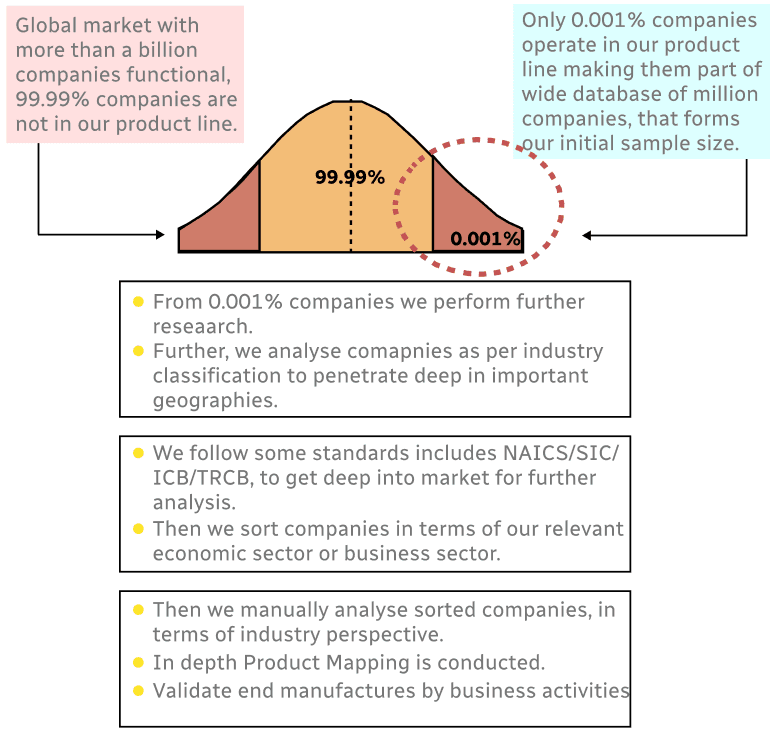
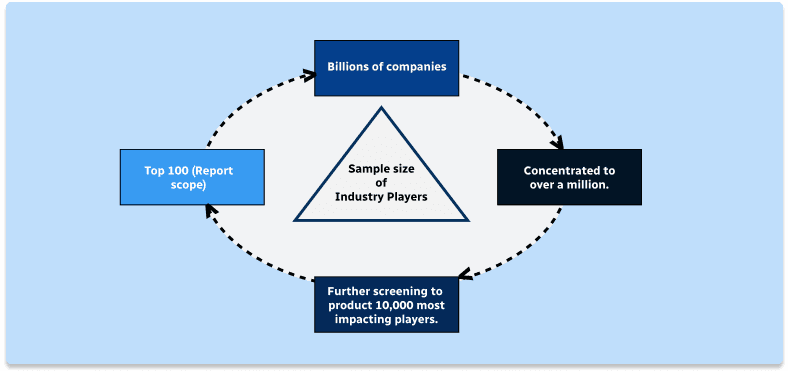
Step 1 - Identification of Relevant Samples Size from Population Database

Step 2 - Approaches for Defining Global Market Size (Value, Volume* & Price*)
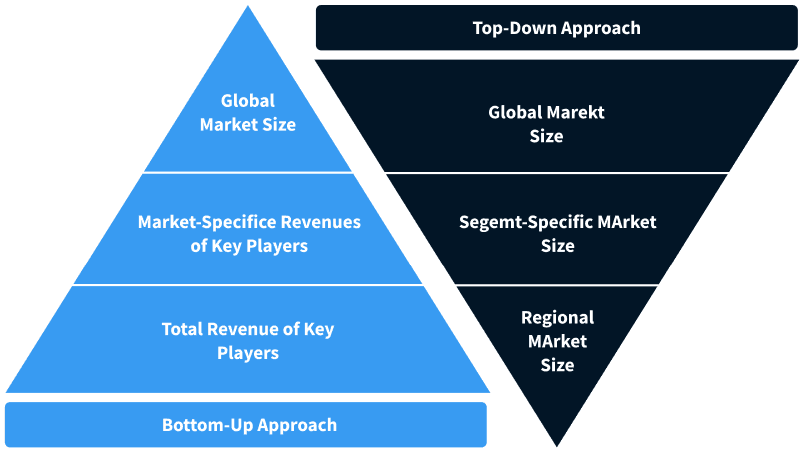
Note*: In applicable scenarios
Step 3 - Data Sources
Primary Research
- Web Analytics
- Survey Reports
- Research Institute
- Latest Research Reports
- Opinion Leaders
Secondary Research
- Annual Reports
- White Paper
- Latest Press Release
- Industry Association
- Paid Database
- Investor Presentations
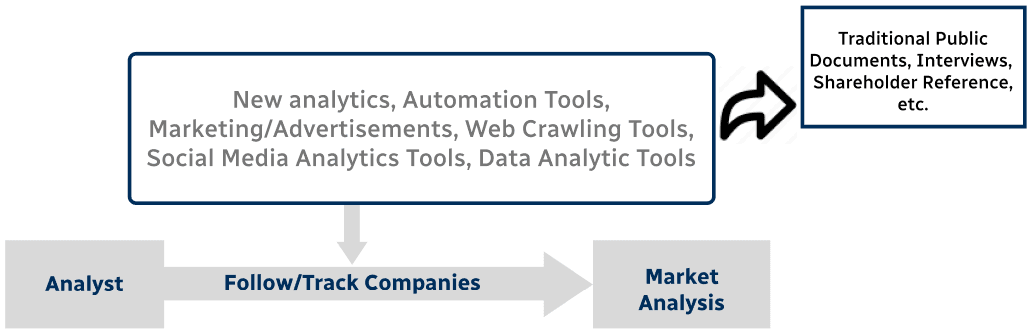
Step 4 - Data Triangulation
Involves using different sources of information in order to increase the validity of a study
These sources are likely to be stakeholders in a program - participants, other researchers, program staff, other community members, and so on.
Then we put all data in single framework & apply various statistical tools to find out the dynamic on the market.
During the analysis stage, feedback from the stakeholder groups would be compared to determine areas of agreement as well as areas of divergence