

Key Insights
The Japan Automotive Hydraulic Actuators Market, valued at approximately ¥350 million (estimated based on provided CAGR and market size data) in 2025, is projected to experience robust growth, driven by increasing adoption of advanced driver-assistance systems (ADAS) and the rising demand for fuel-efficient vehicles. The market's Compound Annual Growth Rate (CAGR) of 8.60% from 2025 to 2033 signifies a significant expansion, fueled by technological advancements in hydraulic actuator designs offering enhanced precision, durability, and efficiency. Key segments within the market include passenger cars and commercial vehicles, with applications spanning throttle actuators, seat adjustment actuators, brake actuators, closure actuators, and others. The growth is further spurred by stringent emission regulations prompting automakers to integrate more sophisticated hydraulic systems for improved fuel economy and reduced emissions. Furthermore, increasing automation in manufacturing processes and the rise of electric and hybrid vehicles are expected to positively impact market growth over the forecast period.
Growth within the regional markets of Kanto, Kansai, Chubu, Kyushu, and Tohoku is expected to be influenced by variations in automotive manufacturing activity and government policies promoting vehicle electrification and automation. While challenges such as the high cost of advanced hydraulic actuators and the emergence of competing technologies like electromechanical actuators exist, the overall market outlook remains positive due to the continuous need for enhanced vehicle performance, safety, and efficiency. Key players such as Denso Corporation, Nidec Corporation, Hitachi Ltd, Mitsubishi Electric Corporation, Continental AG, BorgWarner Inc, Robert Bosch GmbH, and Aptiv PLC are strategically positioned to capitalize on this growth, investing in research and development to meet evolving market demands and customer preferences.

Japan Automotive Hydraulic Actuators Market: A Comprehensive Report (2019-2033)
This comprehensive report provides an in-depth analysis of the Japan Automotive Hydraulic Actuators Market, encompassing market dynamics, growth trends, regional segmentation, product landscape, challenges, opportunities, and key players. The report covers the period from 2019 to 2033, with 2025 serving as the base and estimated year. The parent market is the broader Japanese automotive components market, while the child market focuses specifically on hydraulic actuators. Market size is presented in million units.
Japan Automotive Hydraulic Actuators Market Dynamics & Structure
The Japan Automotive Hydraulic Actuators Market is characterized by a moderately concentrated landscape with key players holding significant market share. The market is driven by technological innovations focusing on enhanced efficiency, durability, and precision of hydraulic actuators. Stringent regulatory frameworks concerning vehicle safety and emissions play a crucial role, while the emergence of electric and hybrid vehicles presents both challenges and opportunities. Competitive pressures from alternative actuator technologies, such as electric actuators, also influence market dynamics. The end-user demographic largely consists of major automotive manufacturers and Tier-1 suppliers. M&A activity remains relatively moderate, with approximately xx deals recorded between 2019 and 2024, reflecting strategic consolidation efforts within the sector.
- Market Concentration: Moderately concentrated, with top 5 players holding approximately xx% of market share in 2024.
- Technological Innovation Drivers: Advancements in hydraulic fluid technology, miniaturization, and improved control systems.
- Regulatory Framework: Stringent safety and emission standards driving demand for efficient and reliable actuators.
- Competitive Product Substitutes: Electric actuators and other electromechanical systems pose a competitive threat.
- End-User Demographics: Primarily major automotive manufacturers and Tier-1 suppliers.
- M&A Trends: Moderate activity with xx deals between 2019 and 2024, primarily focused on strategic acquisitions.
Japan Automotive Hydraulic Actuators Market Growth Trends & Insights
The Japan Automotive Hydraulic Actuators Market exhibited a CAGR of xx% during the historical period (2019-2024), reaching xx million units in 2024. This growth is attributed to increasing vehicle production, particularly in the passenger car segment, coupled with rising demand for advanced driver-assistance systems (ADAS) and enhanced vehicle comfort features. Technological disruptions, including the integration of advanced control algorithms and the development of more efficient hydraulic systems, further fueled market expansion. A shift in consumer preferences toward fuel-efficient vehicles indirectly boosts demand for optimized hydraulic actuators. The forecast period (2025-2033) anticipates continued growth, with a projected CAGR of xx%, driven by the increasing adoption of hydraulic actuators in electric and hybrid vehicles. Market penetration is expected to reach xx% by 2033.

Dominant Regions, Countries, or Segments in Japan Automotive Hydraulic Actuators Market
In 2024, the passenger car segment reigned supreme in the Japan Automotive Hydraulic Actuators Market, commanding approximately xx% of the total market share. This dominance stems from Japan's higher passenger car production volume compared to commercial vehicles. Within application types, throttle actuators held the largest share due to their critical role in engine control. Geographically, the Kanto region, encompassing Tokyo and its surrounding prefectures, emerged as the leading market, driven by the high concentration of automotive manufacturing facilities. However, the market is experiencing a dynamic shift with the rise of electric vehicles (EVs) and hybrid electric vehicles (HEVs).
- Key Drivers for Passenger Car Segment: High passenger car production volume, increasing demand for advanced driver-assistance systems (ADAS), and rising consumer preference for enhanced vehicle comfort and safety features. The ongoing development and integration of ADAS necessitates increasingly sophisticated hydraulic actuator systems.
- Key Drivers for Throttle Actuator Segment: Its indispensable role in precise engine control, growing demand for improved fuel efficiency, and the stringent emission regulations imposed by the Japanese government. The push for better fuel economy continues to drive innovation in this sector.
- Key Drivers for Kanto Region: The region's established automotive manufacturing ecosystem, robust infrastructure, highly skilled workforce, and proximity to key suppliers contribute to its market leadership. However, regional diversification is anticipated as manufacturing expands to other areas of Japan.
Japan Automotive Hydraulic Actuators Market Product Landscape
The Japan Automotive Hydraulic Actuators Market features a diverse range of products, characterized by variations in size, performance capabilities, and control systems. Recent innovations focus on miniaturization, enhanced durability, improved responsiveness, and energy efficiency. Key selling propositions include reduced friction, enhanced precision, and improved longevity. Technological advancements encompass the integration of advanced sensors, sophisticated control algorithms, and the use of high-performance hydraulic fluids.
Key Drivers, Barriers & Challenges in Japan Automotive Hydraulic Actuators Market
Key Drivers: The market's growth is propelled by increasing vehicle production (although the pace is moderated by the shift towards electrification), the ongoing demand for improved fuel efficiency and emission control, advancements in hydraulic technology enabling more precise and efficient actuation, and the burgeoning adoption of advanced driver-assistance systems (ADAS). Government initiatives promoting eco-friendly vehicles indirectly support market expansion, although the overall impact on hydraulic actuator demand remains to be seen given the rise of EVs.
Key Challenges: Intense competition from electric and other electromechanical actuators presents a significant headwind. Rising raw material costs, stringent environmental regulations (including those related to hydraulic fluid disposal), and potential supply chain disruptions are further obstacles. The automotive industry's significant shift towards electrification poses the most substantial challenge, potentially reducing market growth by approximately xx% by 2030. Companies are actively exploring strategies to mitigate these challenges, such as developing more sustainable hydraulic fluids and exploring niche applications where hydraulic actuators still hold a competitive edge.
Emerging Opportunities in Japan Automotive Hydraulic Actuators Market
Significant opportunities exist in the development of advanced hydraulic actuators tailored for electric and hybrid vehicles. This involves incorporating innovative materials to enhance efficiency and durability, along with advanced control technologies to optimize performance. The increasing prevalence of autonomous driving systems opens doors for sophisticated hydraulic actuation solutions capable of handling the complex demands of self-driving technology. Furthermore, considerable untapped potential resides in specialized applications within the commercial vehicle segment, such as heavy-duty trucks and buses, where hydraulic systems are still vital. Companies can pursue growth by focusing on niche market segments and creating customized solutions for specific vehicle types and applications.
Growth Accelerators in the Japan Automotive Hydraulic Actuators Market Industry
Long-term growth will be driven by technological breakthroughs in hydraulic fluid technology and control systems, leading to more efficient and reliable actuators. Strategic partnerships between actuator manufacturers and automotive OEMs will facilitate the development and integration of advanced hydraulic actuation solutions. Expansion into new geographical markets and the development of specialized actuators for niche applications will further propel market growth.
Key Players Shaping the Japan Automotive Hydraulic Actuators Market Market
- Denso Corporation
- Nidec Corporation
- Hitachi Ltd
- Mitsubishi Electric Corporation
- Continental AG
- BorgWarner Inc
- Robert Bosch GmbH
- Aptiv PLC
Notable Milestones in Japan Automotive Hydraulic Actuators Market Sector
- 2021 (Q3): Denso Corporation launched a new line of high-efficiency hydraulic actuators designed specifically for electric vehicles, demonstrating a proactive adaptation to market shifts.
- 2022 (Q1): Nidec Corporation announced a strategic partnership with a major Japanese automotive OEM for the supply of advanced hydraulic actuators, highlighting the importance of collaborative innovation in this sector.
- 2023 (Q4): Mitsubishi Electric Corporation invested in research and development of next-generation hydraulic fluid technology, showcasing a commitment to sustainability and improved performance. (Further milestones would be added here for a complete report)
In-Depth Japan Automotive Hydraulic Actuators Market Market Outlook
The Japan Automotive Hydraulic Actuators Market is expected to experience continued, albeit moderated, growth in the forecast period. This growth will be driven by technological advancements focused on efficiency and sustainability, strategic partnerships fostering innovation, and the expansion of applications within the automotive sector. While the transition to electric vehicles presents a challenge, the ongoing demand for advanced driver-assistance systems and improved vehicle comfort in both conventional and electrified vehicles will create opportunities for manufacturers of innovative hydraulic actuator solutions. Companies prioritizing research and development, strategic collaborations, and expansion into specialized market segments will be best positioned to capitalize on this evolving market landscape.
Japan Automotive Hydraulic Actuators Market Segmentation
-
1. Vehicle Type
- 1.1. Passenger Car
- 1.2. Commercial Vehicle
-
2. Application Type
- 2.1. Throttle Actuator
- 2.2. Seat Adjustment Actuator
- 2.3. Brake Actuator
- 2.4. Closure Actuator
- 2.5. Others
Japan Automotive Hydraulic Actuators Market Segmentation By Geography
- 1. Japan

Japan Automotive Hydraulic Actuators Market REPORT HIGHLIGHTS
| Aspects | Details |
|---|---|
| Study Period | 2019-2033 |
| Base Year | 2024 |
| Estimated Year | 2025 |
| Forecast Period | 2025-2033 |
| Historical Period | 2019-2024 |
| Growth Rate | CAGR of 8.60% from 2019-2033 |
| Segmentation |
|
Table of Contents
- 1. Introduction
- 1.1. Research Scope
- 1.2. Market Segmentation
- 1.3. Research Methodology
- 1.4. Definitions and Assumptions
- 2. Executive Summary
- 2.1. Introduction
- 3. Market Dynamics
- 3.1. Introduction
- 3.2. Market Drivers
- 3.2.1. Increasing Demand for ADAS Integration
- 3.3. Market Restrains
- 3.3.1. High Upfront Cost
- 3.4. Market Trends
- 3.4.1. Rising Demand for Fuel-Efficient Vehicles Will Help the Hydraulic Actuators Market to Grow
- 4. Market Factor Analysis
- 4.1. Porters Five Forces
- 4.2. Supply/Value Chain
- 4.3. PESTEL analysis
- 4.4. Market Entropy
- 4.5. Patent/Trademark Analysis
- 5. Japan Automotive Hydraulic Actuators Market Analysis, Insights and Forecast, 2019-2031
- 5.1. Market Analysis, Insights and Forecast - by Vehicle Type
- 5.1.1. Passenger Car
- 5.1.2. Commercial Vehicle
- 5.2. Market Analysis, Insights and Forecast - by Application Type
- 5.2.1. Throttle Actuator
- 5.2.2. Seat Adjustment Actuator
- 5.2.3. Brake Actuator
- 5.2.4. Closure Actuator
- 5.2.5. Others
- 5.3. Market Analysis, Insights and Forecast - by Region
- 5.3.1. Japan
- 5.1. Market Analysis, Insights and Forecast - by Vehicle Type
- 6. Kanto Japan Automotive Hydraulic Actuators Market Analysis, Insights and Forecast, 2019-2031
- 7. Kansai Japan Automotive Hydraulic Actuators Market Analysis, Insights and Forecast, 2019-2031
- 8. Chubu Japan Automotive Hydraulic Actuators Market Analysis, Insights and Forecast, 2019-2031
- 9. Kyushu Japan Automotive Hydraulic Actuators Market Analysis, Insights and Forecast, 2019-2031
- 10. Tohoku Japan Automotive Hydraulic Actuators Market Analysis, Insights and Forecast, 2019-2031
- 11. Competitive Analysis
- 11.1. Market Share Analysis 2024
- 11.2. Company Profiles
- 11.2.1 Denso Corporation
- 11.2.1.1. Overview
- 11.2.1.2. Products
- 11.2.1.3. SWOT Analysis
- 11.2.1.4. Recent Developments
- 11.2.1.5. Financials (Based on Availability)
- 11.2.2 Nidec Corporation
- 11.2.2.1. Overview
- 11.2.2.2. Products
- 11.2.2.3. SWOT Analysis
- 11.2.2.4. Recent Developments
- 11.2.2.5. Financials (Based on Availability)
- 11.2.3 Hitachi Ltd
- 11.2.3.1. Overview
- 11.2.3.2. Products
- 11.2.3.3. SWOT Analysis
- 11.2.3.4. Recent Developments
- 11.2.3.5. Financials (Based on Availability)
- 11.2.4 Mitsubishi Electric Corporation
- 11.2.4.1. Overview
- 11.2.4.2. Products
- 11.2.4.3. SWOT Analysis
- 11.2.4.4. Recent Developments
- 11.2.4.5. Financials (Based on Availability)
- 11.2.5 Continental AG
- 11.2.5.1. Overview
- 11.2.5.2. Products
- 11.2.5.3. SWOT Analysis
- 11.2.5.4. Recent Developments
- 11.2.5.5. Financials (Based on Availability)
- 11.2.6 BorgWarner Inc
- 11.2.6.1. Overview
- 11.2.6.2. Products
- 11.2.6.3. SWOT Analysis
- 11.2.6.4. Recent Developments
- 11.2.6.5. Financials (Based on Availability)
- 11.2.7 Robert Bosch GmbH
- 11.2.7.1. Overview
- 11.2.7.2. Products
- 11.2.7.3. SWOT Analysis
- 11.2.7.4. Recent Developments
- 11.2.7.5. Financials (Based on Availability)
- 11.2.8 Aptiv Pl
- 11.2.8.1. Overview
- 11.2.8.2. Products
- 11.2.8.3. SWOT Analysis
- 11.2.8.4. Recent Developments
- 11.2.8.5. Financials (Based on Availability)
- 11.2.1 Denso Corporation
List of Figures
- Figure 1: Japan Automotive Hydraulic Actuators Market Revenue Breakdown (Million, %) by Product 2024 & 2032
- Figure 2: Japan Automotive Hydraulic Actuators Market Share (%) by Company 2024
List of Tables
- Table 1: Japan Automotive Hydraulic Actuators Market Revenue Million Forecast, by Region 2019 & 2032
- Table 2: Japan Automotive Hydraulic Actuators Market Revenue Million Forecast, by Vehicle Type 2019 & 2032
- Table 3: Japan Automotive Hydraulic Actuators Market Revenue Million Forecast, by Application Type 2019 & 2032
- Table 4: Japan Automotive Hydraulic Actuators Market Revenue Million Forecast, by Region 2019 & 2032
- Table 5: Japan Automotive Hydraulic Actuators Market Revenue Million Forecast, by Country 2019 & 2032
- Table 6: Kanto Japan Automotive Hydraulic Actuators Market Revenue (Million) Forecast, by Application 2019 & 2032
- Table 7: Kansai Japan Automotive Hydraulic Actuators Market Revenue (Million) Forecast, by Application 2019 & 2032
- Table 8: Chubu Japan Automotive Hydraulic Actuators Market Revenue (Million) Forecast, by Application 2019 & 2032
- Table 9: Kyushu Japan Automotive Hydraulic Actuators Market Revenue (Million) Forecast, by Application 2019 & 2032
- Table 10: Tohoku Japan Automotive Hydraulic Actuators Market Revenue (Million) Forecast, by Application 2019 & 2032
- Table 11: Japan Automotive Hydraulic Actuators Market Revenue Million Forecast, by Vehicle Type 2019 & 2032
- Table 12: Japan Automotive Hydraulic Actuators Market Revenue Million Forecast, by Application Type 2019 & 2032
- Table 13: Japan Automotive Hydraulic Actuators Market Revenue Million Forecast, by Country 2019 & 2032
Frequently Asked Questions
1. What is the projected Compound Annual Growth Rate (CAGR) of the Japan Automotive Hydraulic Actuators Market?
The projected CAGR is approximately 8.60%.
2. Which companies are prominent players in the Japan Automotive Hydraulic Actuators Market?
Key companies in the market include Denso Corporation, Nidec Corporation, Hitachi Ltd, Mitsubishi Electric Corporation, Continental AG, BorgWarner Inc, Robert Bosch GmbH, Aptiv Pl.
3. What are the main segments of the Japan Automotive Hydraulic Actuators Market?
The market segments include Vehicle Type, Application Type.
4. Can you provide details about the market size?
The market size is estimated to be USD XX Million as of 2022.
5. What are some drivers contributing to market growth?
Increasing Demand for ADAS Integration.
6. What are the notable trends driving market growth?
Rising Demand for Fuel-Efficient Vehicles Will Help the Hydraulic Actuators Market to Grow.
7. Are there any restraints impacting market growth?
High Upfront Cost.
8. Can you provide examples of recent developments in the market?
N/A
9. What pricing options are available for accessing the report?
Pricing options include single-user, multi-user, and enterprise licenses priced at USD 3800, USD 4500, and USD 5800 respectively.
10. Is the market size provided in terms of value or volume?
The market size is provided in terms of value, measured in Million.
11. Are there any specific market keywords associated with the report?
Yes, the market keyword associated with the report is "Japan Automotive Hydraulic Actuators Market," which aids in identifying and referencing the specific market segment covered.
12. How do I determine which pricing option suits my needs best?
The pricing options vary based on user requirements and access needs. Individual users may opt for single-user licenses, while businesses requiring broader access may choose multi-user or enterprise licenses for cost-effective access to the report.
13. Are there any additional resources or data provided in the Japan Automotive Hydraulic Actuators Market report?
While the report offers comprehensive insights, it's advisable to review the specific contents or supplementary materials provided to ascertain if additional resources or data are available.
14. How can I stay updated on further developments or reports in the Japan Automotive Hydraulic Actuators Market?
To stay informed about further developments, trends, and reports in the Japan Automotive Hydraulic Actuators Market, consider subscribing to industry newsletters, following relevant companies and organizations, or regularly checking reputable industry news sources and publications.
Methodology
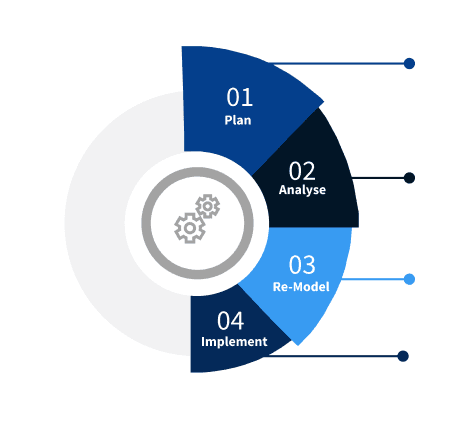
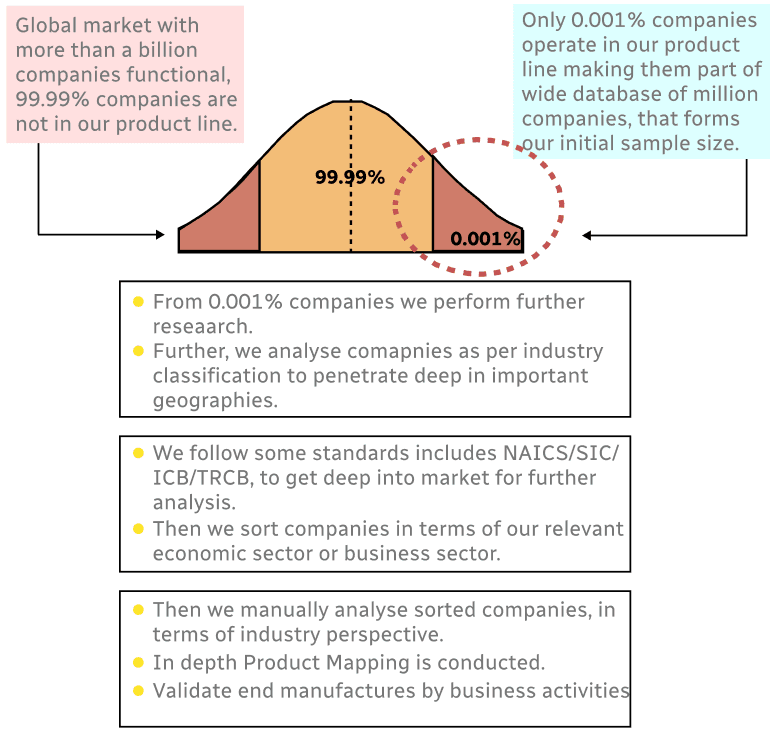
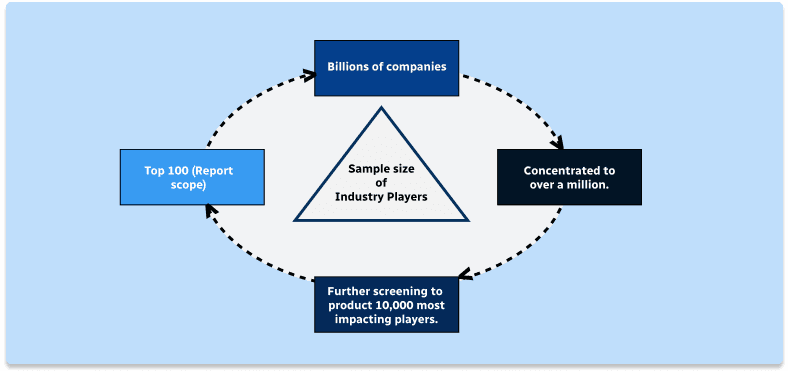
Step 1 - Identification of Relevant Samples Size from Population Database
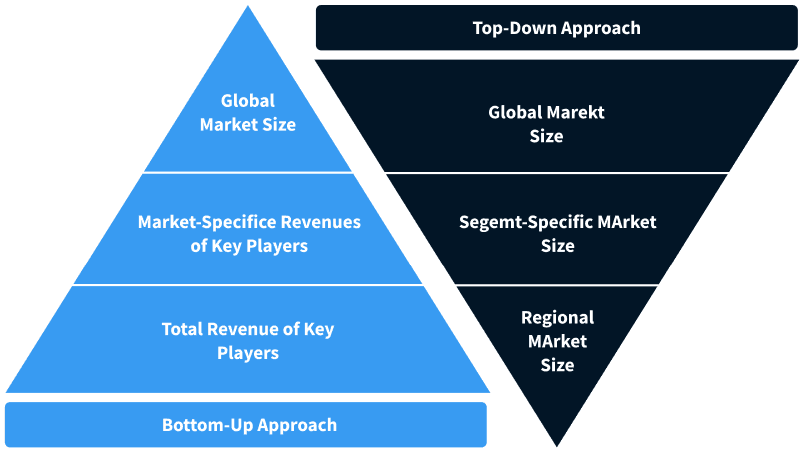
Step 2 - Approaches for Defining Global Market Size (Value, Volume* & Price*)
Note*: In applicable scenarios
Step 3 - Data Sources
Primary Research
- Web Analytics
- Survey Reports
- Research Institute
- Latest Research Reports
- Opinion Leaders
Secondary Research
- Annual Reports
- White Paper
- Latest Press Release
- Industry Association
- Paid Database
- Investor Presentations
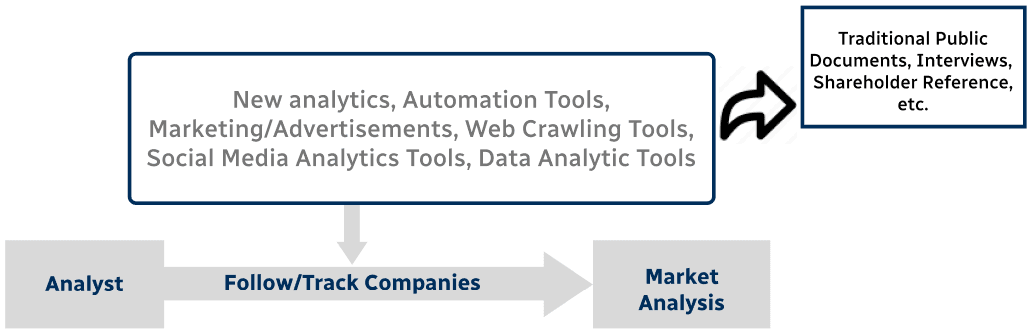
Step 4 - Data Triangulation
Involves using different sources of information in order to increase the validity of a study
These sources are likely to be stakeholders in a program - participants, other researchers, program staff, other community members, and so on.
Then we put all data in single framework & apply various statistical tools to find out the dynamic on the market.
During the analysis stage, feedback from the stakeholder groups would be compared to determine areas of agreement as well as areas of divergence